Please wait while we open this resource.


K

Clinical reviews
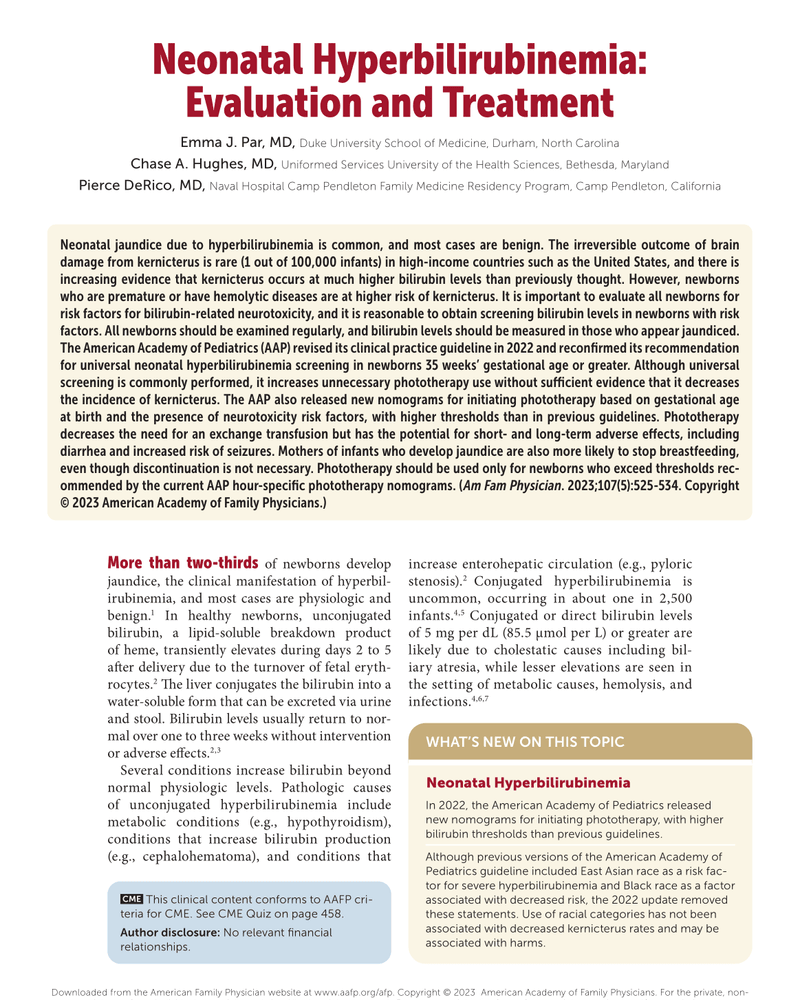
NEONATAL HYPERBILIRUBINEMIA: EVALUATION AND TREATMENT
Duke University School of Medicine; Uniformed Services University of the Health Sciences; Naval Hospital Camp Pendleton Family Medicine Residency Program
PDF10 pages356 KB
Neonatal jaundice due to hyperbilirubinemia is common, with most cases being benign. However, certain newborns, particularly those who are premature or have hemolytic diseases, are at a higher risk for kernicterus. The American Academy of Pediatrics has revised its guidelines to recommend universal screening for hyperbilirubinemia in newborns of 35 weeks' gestational age or greater. The document discusses the implications of phototherapy, including its benefits and potential adverse effects, and outlines criteria for home phototherapy.
Sign in to open
Ask this resource
Answers use this document only.
Your first question is free.
More like this
Resources from the same specialty and type. Curated links will replace these when added.
Clinical Resources
Documents that extend or complement this resource.
Hospital Care for Children Guidelines
Same clinical topic · Pediatrics
IDENTIFYING A REFRACTORY SHOCK PHENOTYPE IN PEDIATRIC SEPSIS USING A VASOACTIVE-ADJUSTED SHOCK INDEX
Same clinical topic · Pediatrics
ANTAGONIZING THE LEPTIN RECEPTOR IN OBESITY
Same clinical topic · Pediatrics
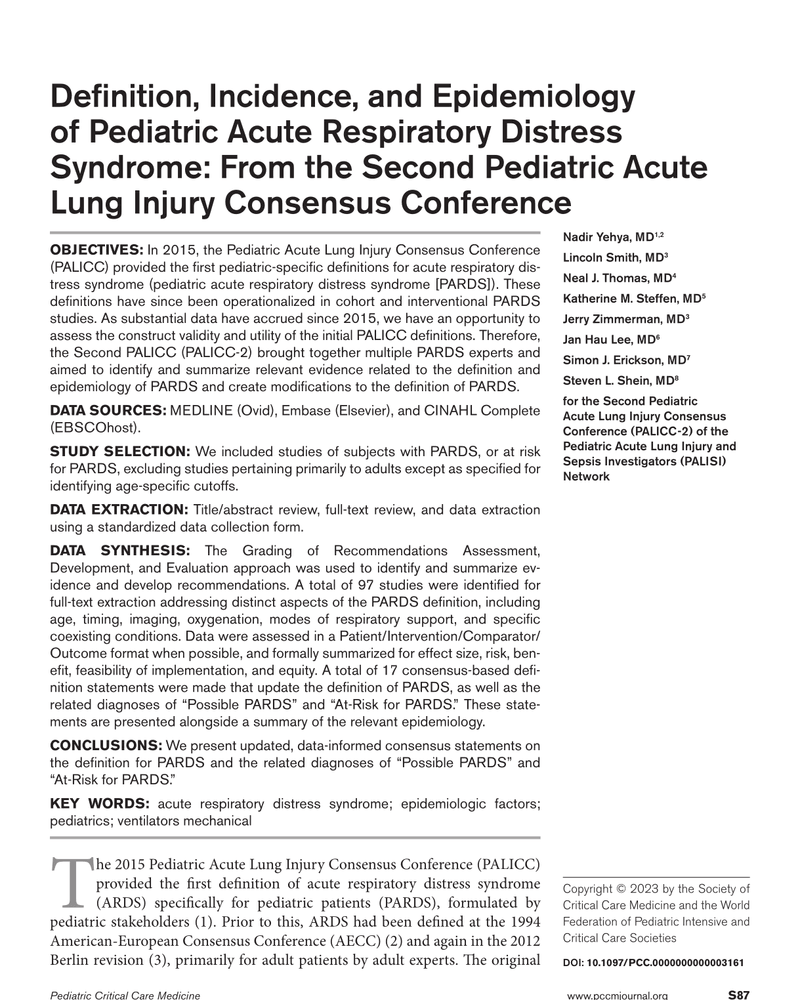
DEFINITION, INCIDENCE, AND EPIDEMIOLOGY OF PEDIATRIC ACUTE RESPIRATORY DISTRESS SYNDROME: FROM THE SECOND PEDIATRIC ACUTE LUNG INJURY CONSENSUS CONFERENCE
Same clinical topic · Pediatrics
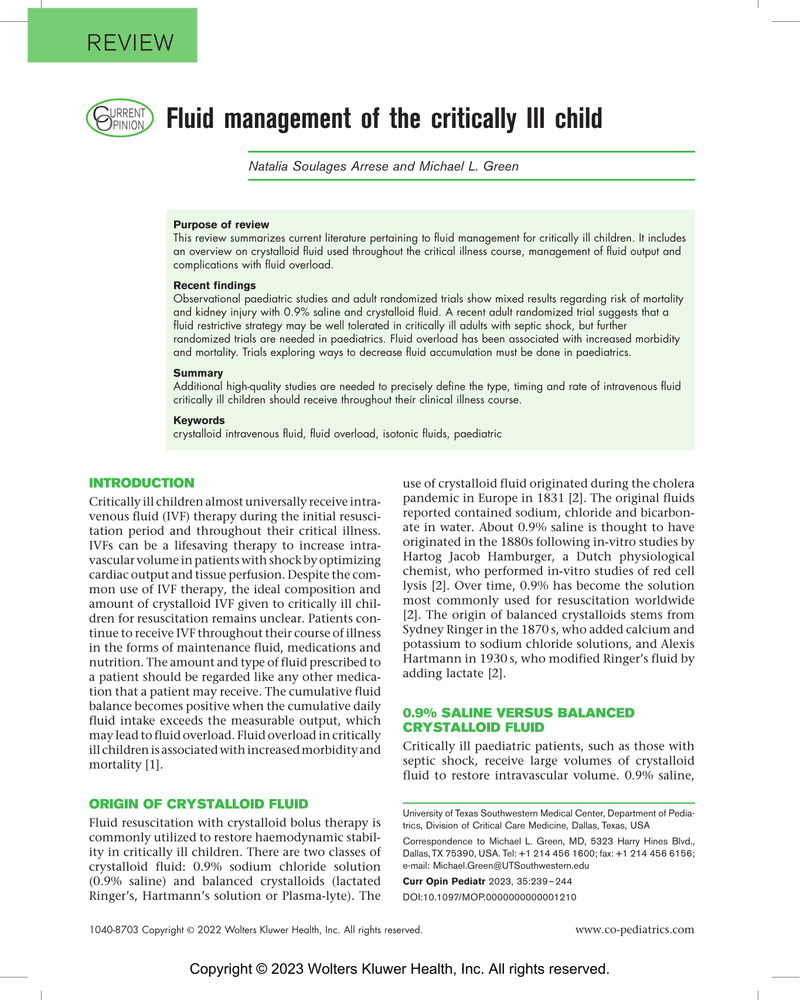
FLUID MANAGEMENT OF THE CRITICALLY ILL CHILD
Same clinical topic · Pediatrics
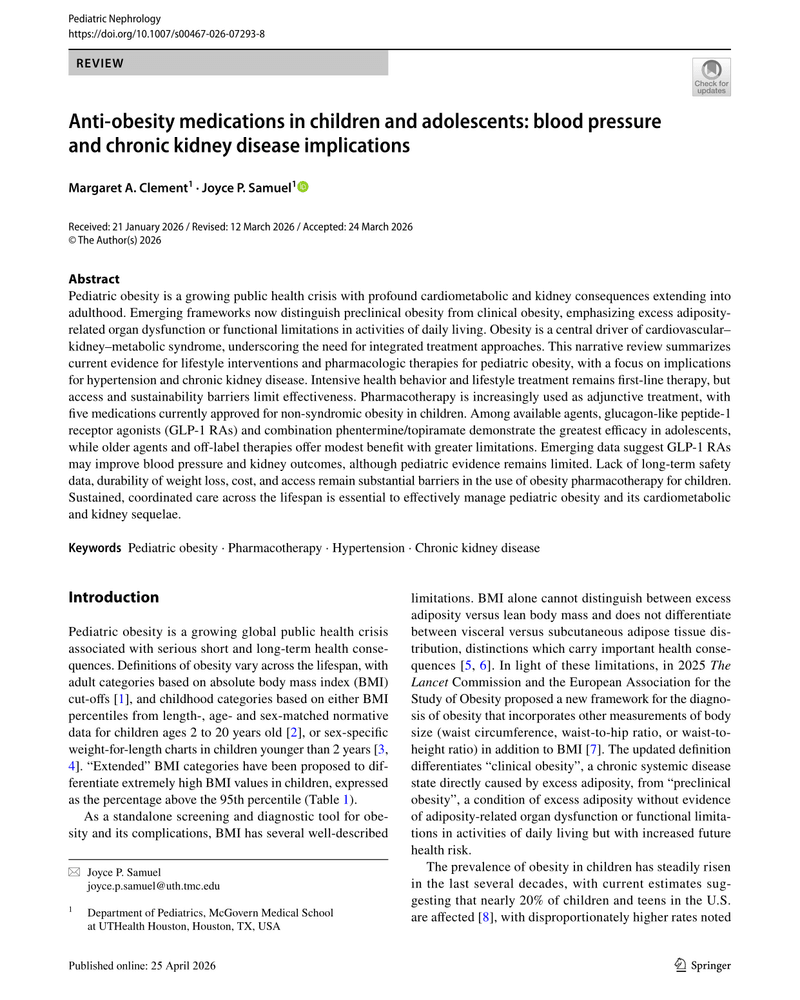
ANTI‑OBESITY MEDICATIONS IN CHILDREN AND ADOLESCENTS: BLOOD PRESSURE AND CHRONIC KIDNEY DISEASE IMPLICATIONS
Same clinical topic · Pediatrics
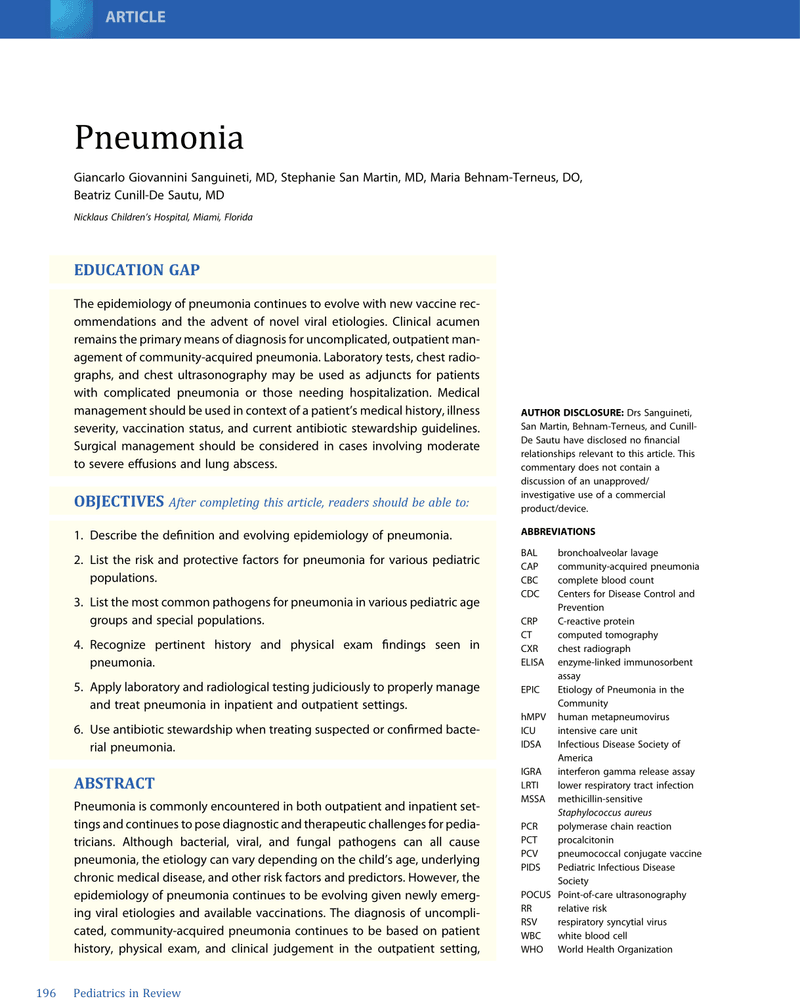
PNEUMONIA
Same clinical topic · Pediatrics
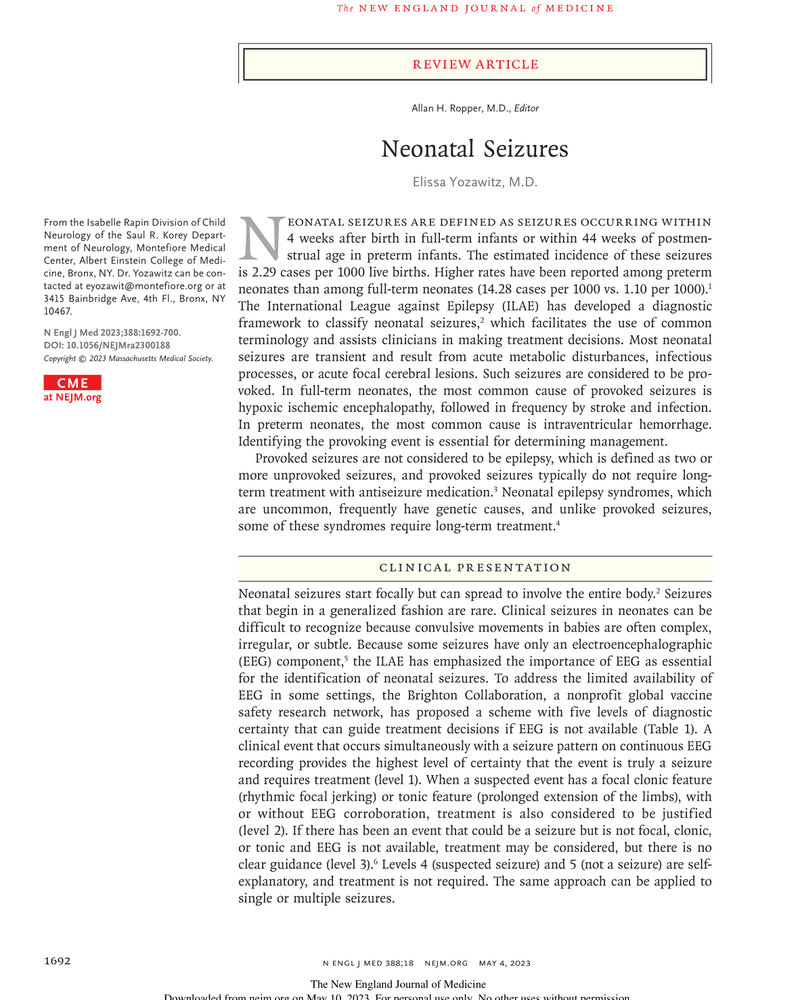
Neonatal Seizures
Same clinical topic · Pediatrics
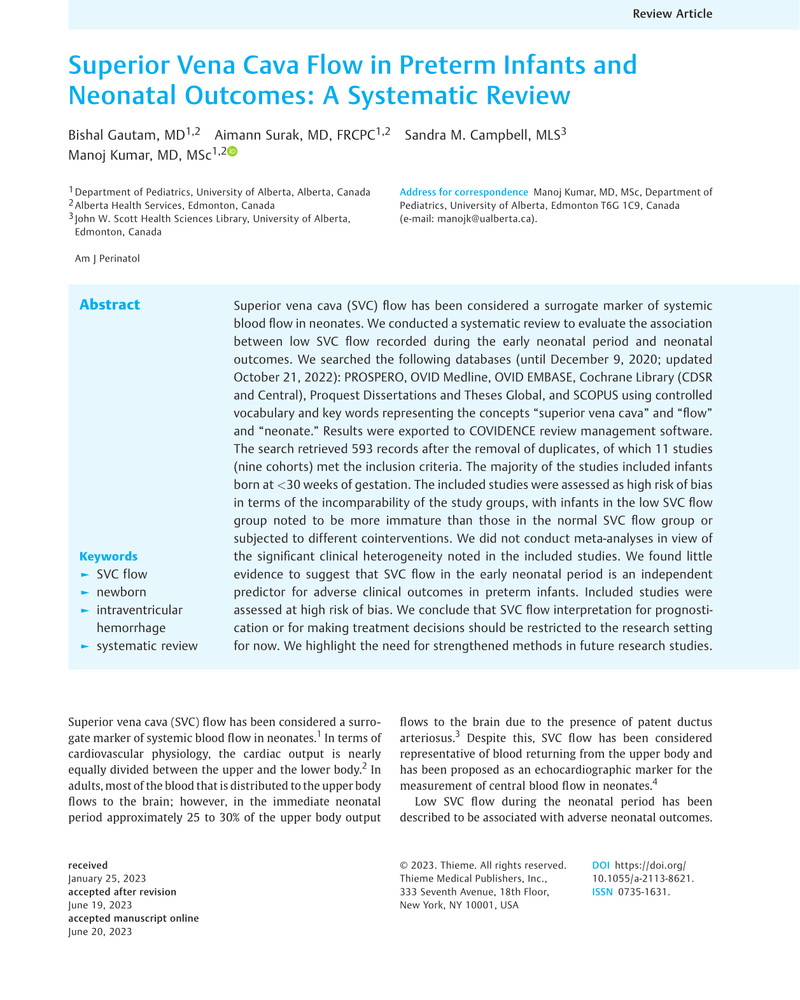
SUPERIOR VENA CAVA FLOW IN PRETERM INFANTS AND NEONATAL OUTCOMES: A SYSTEMATIC REVIEW
Same clinical topic · Pediatrics