Please wait while we open this resource.


K

Clinical reviews
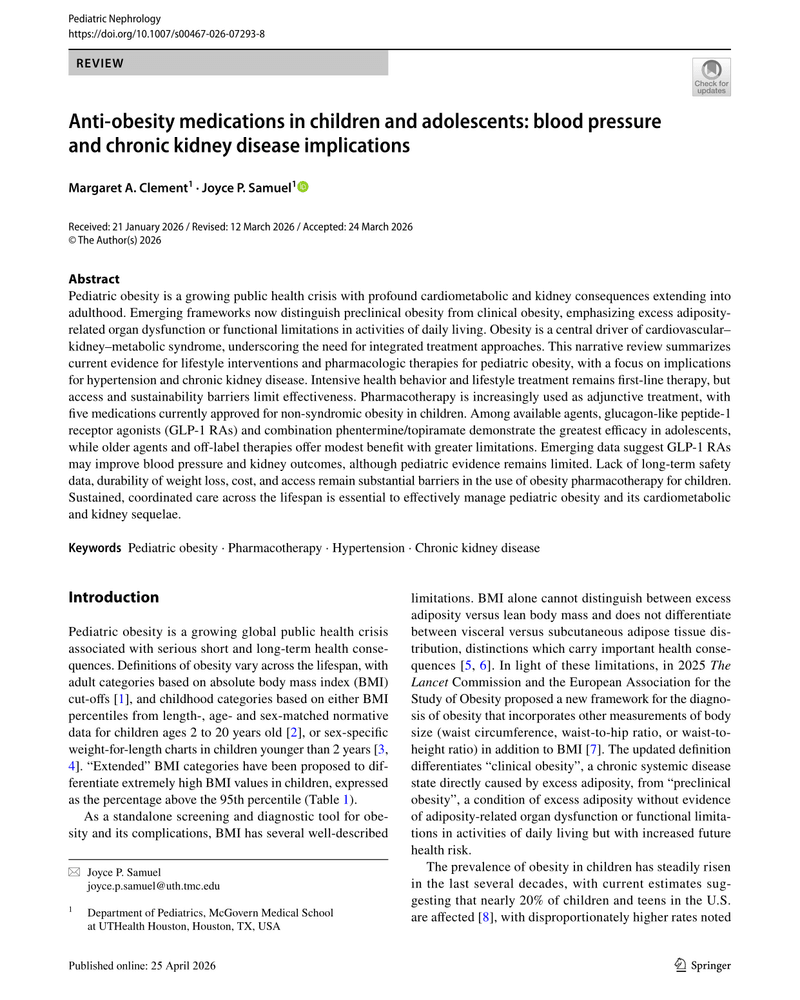
ANTI‑OBESITY MEDICATIONS IN CHILDREN AND ADOLESCENTS: BLOOD PRESSURE AND CHRONIC KIDNEY DISEASE IMPLICATIONS
Margaret A. Clement, Joyce P. Samuel
PDF202613 pages882 KB
Pediatric obesity is a growing public health crisis with profound cardiometabolic and kidney consequences extending into adulthood. The review emphasizes the need for integrated treatment approaches, highlighting the efficacy of lifestyle interventions and pharmacotherapy. It discusses the approval of five medications for non-syndromic obesity in children, with glucagon-like peptide-1 receptor agonists and combination phentermine/topiramate showing the greatest efficacy. The review also addresses barriers to effective treatment, including access and sustainability issues.
Sign in to open
Ask this resource
Answers use this document only.
Your first question is free.
More like this
Resources from the same specialty and type. Curated links will replace these when added.
Clinical Resources
Documents that extend or complement this resource.
Hospital Care for Children Guidelines
Same clinical topic · Pediatrics
IDENTIFYING A REFRACTORY SHOCK PHENOTYPE IN PEDIATRIC SEPSIS USING A VASOACTIVE-ADJUSTED SHOCK INDEX
Same clinical topic · Pediatrics
ANTAGONIZING THE LEPTIN RECEPTOR IN OBESITY
Same clinical topic · Pediatrics
DEFINITION, INCIDENCE, AND EPIDEMIOLOGY OF PEDIATRIC ACUTE RESPIRATORY DISTRESS SYNDROME: FROM THE SECOND PEDIATRIC ACUTE LUNG INJURY CONSENSUS CONFERENCE
Same clinical topic · Pediatrics
FLUID MANAGEMENT OF THE CRITICALLY ILL CHILD
Same clinical topic · Pediatrics
PNEUMONIA
Same clinical topic · Pediatrics
Neonatal Seizures
Same clinical topic · Pediatrics
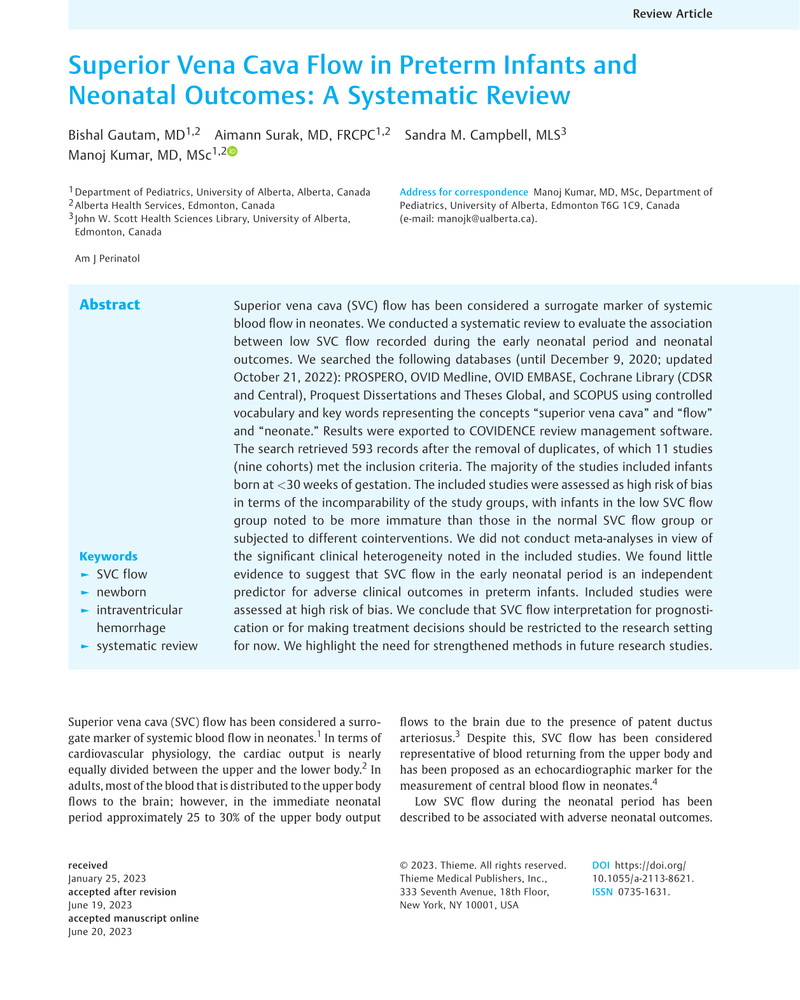
SUPERIOR VENA CAVA FLOW IN PRETERM INFANTS AND NEONATAL OUTCOMES: A SYSTEMATIC REVIEW
Same clinical topic · Pediatrics
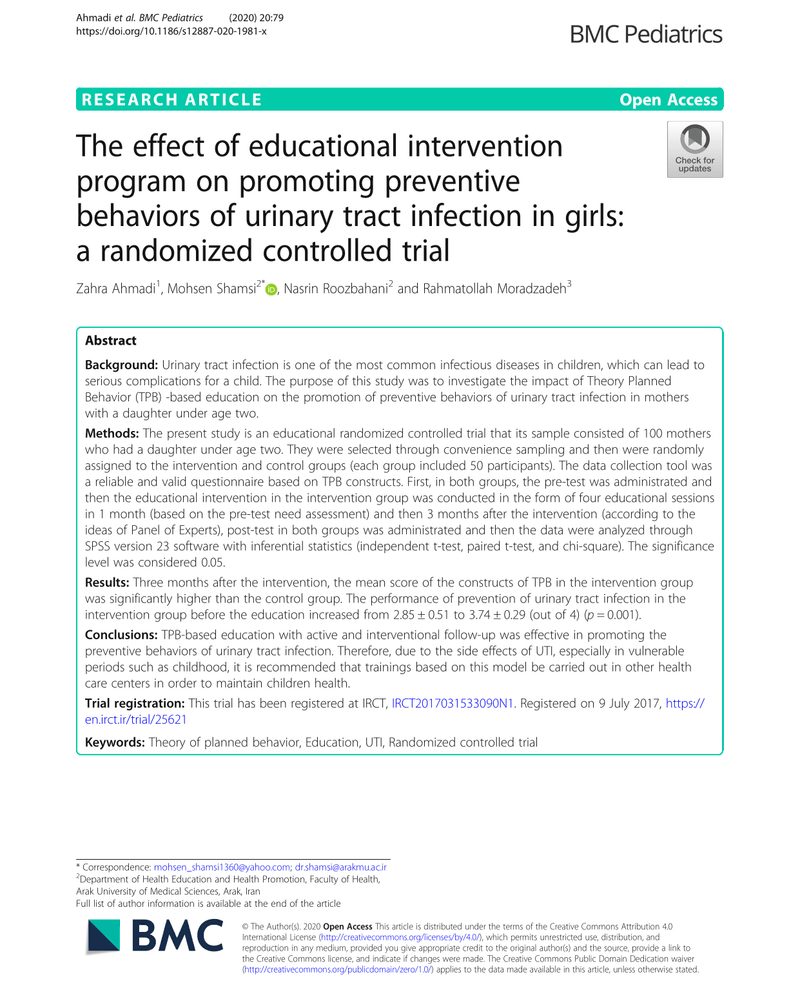
THE EFFECT OF EDUCATIONAL INTERVENTION PROGRAM ON PROMOTING PREVENTIVE BEHAVIORS OF URINARY TRACT INFECTION IN GIRLS: A RANDOMIZED CONTROLLED TRIAL
Same clinical topic · Pediatrics