Please wait while we open this resource.


K

Clinical reviews
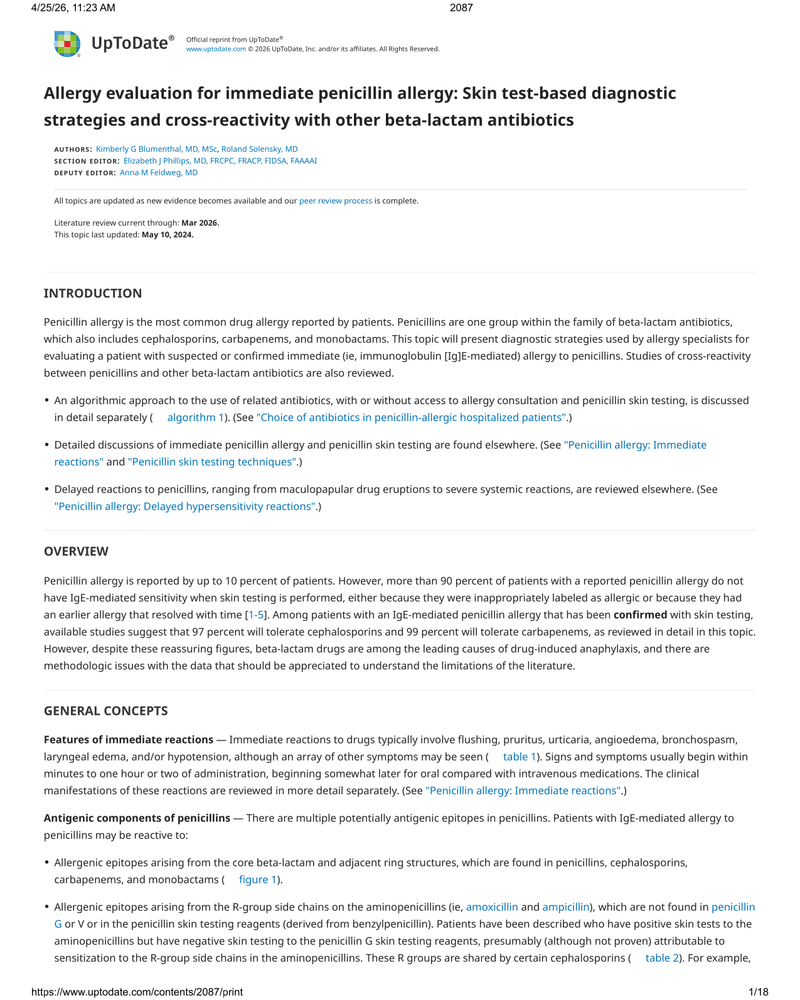
ALLERGY EVALUATION FOR IMMEDIATE PENICILLIN ALLERGY: SKIN TEST-BASED DIAGNOSTIC STRATEGIES AND CROSS-REACTIVITY WITH OTHER BETA-LACTAM ANTIBIOTICS
Kimberly G Blumenthal, MD, MSc, Roland Solensky, MD
PDF202418 pages598 KB
Penicillin allergy is the most commonly reported drug allergy, affecting up to 10 percent of patients. However, over 90 percent of those who report an allergy do not have an IgE-mediated sensitivity. The document outlines the importance of allergy evaluations to clarify individual risks and discusses the use of cephalosporins and carbapenems in patients with a history of penicillin allergy. It also provides an algorithmic approach for antibiotic choice in penicillin-allergic patients.
Sign in to open
Ask this resource
Answers use this document only.
Your first question is free.
More like this
Resources from the same specialty and type. Curated links will replace these when added.
Clinical Resources
Documents that extend or complement this resource.
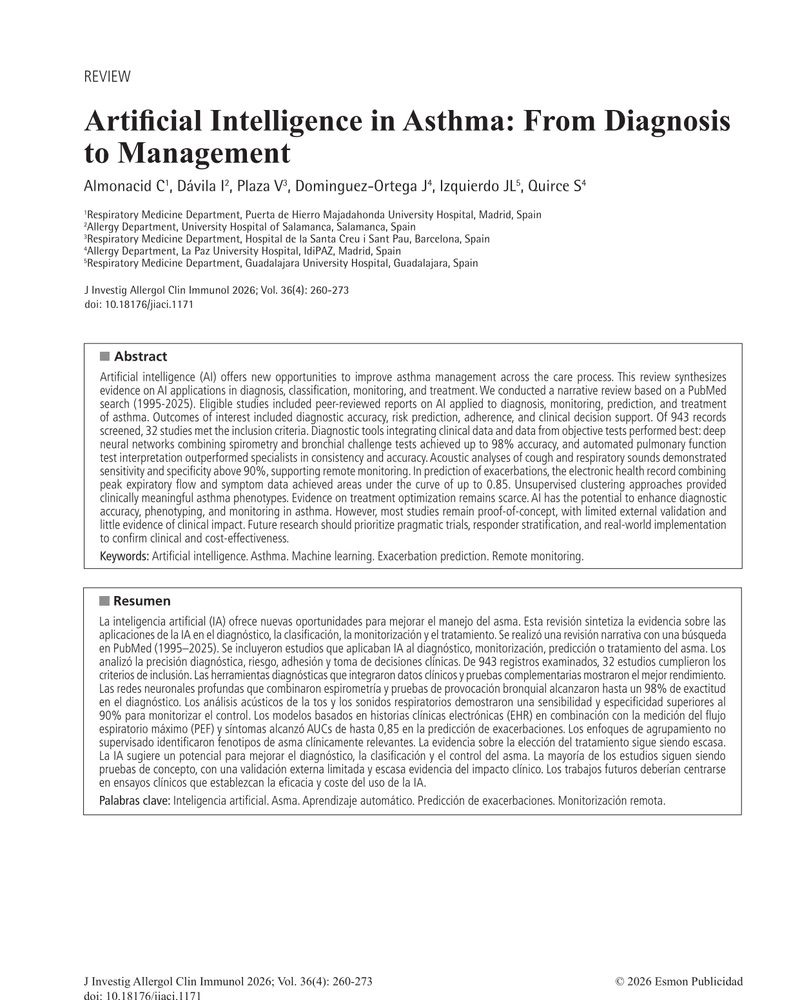
ARTIFICIAL INTELLIGENCE IN ASTHMA: FROM DIAGNOSIS TO MANAGEMENT
Same clinical topic · Allergy and Immunology
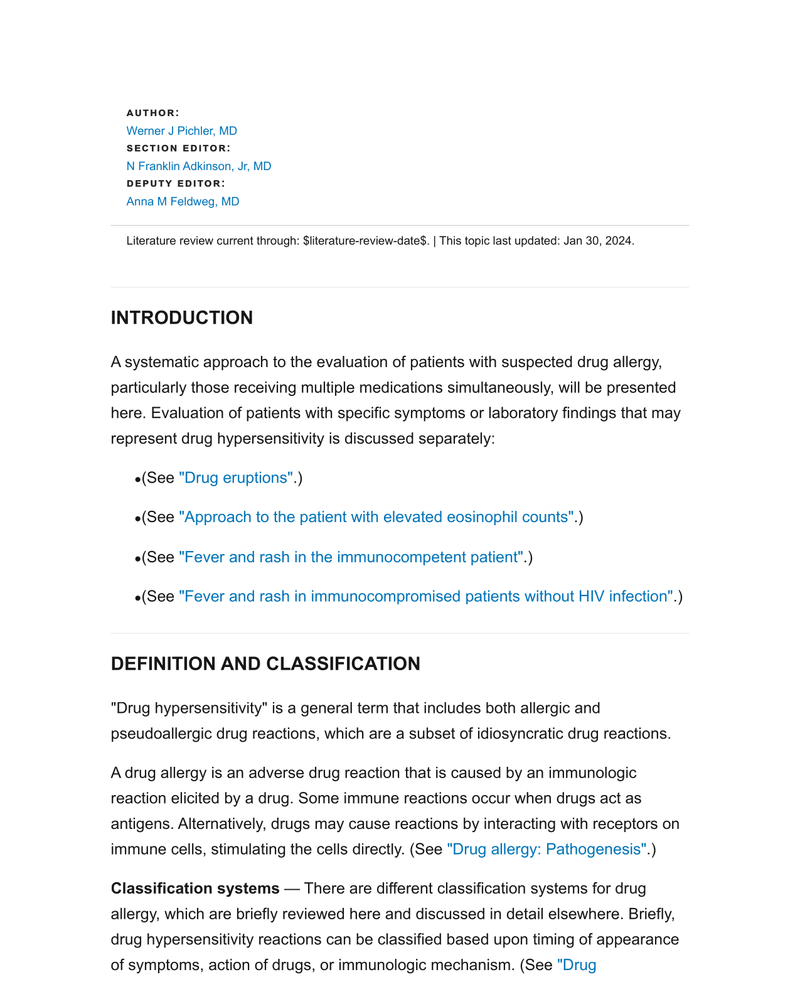
DRUG HYPERSENSITIVITY: EVALUATION AND MANAGEMENT
Same clinical topic · Allergy and Immunology
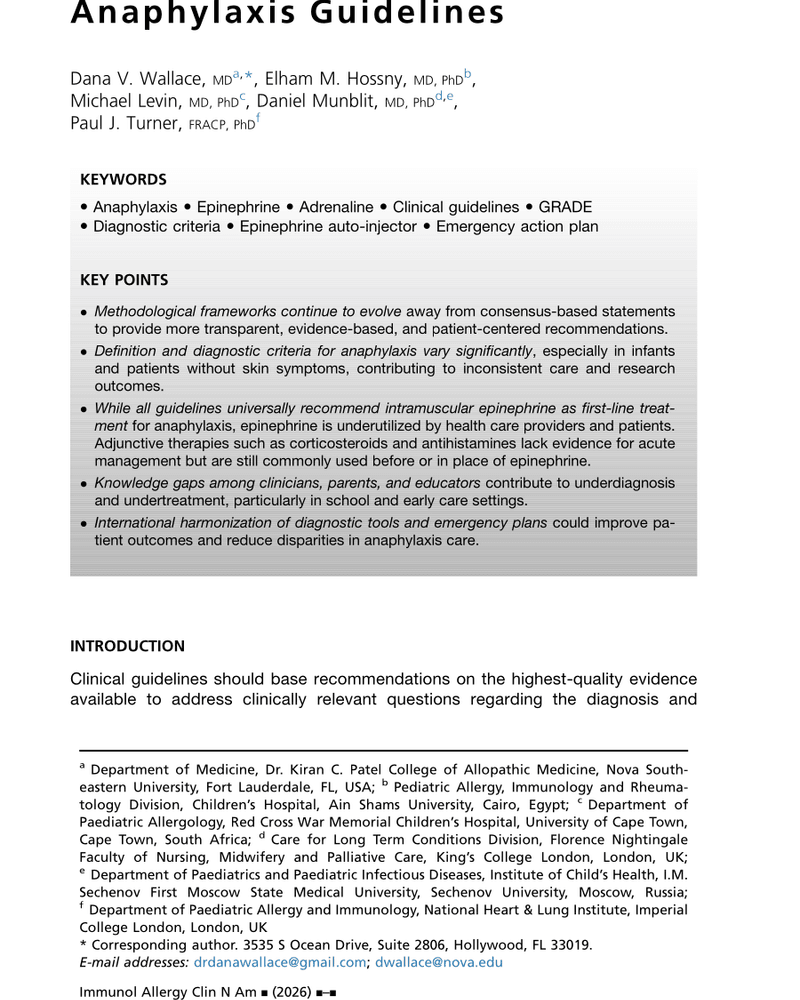
MAJOR KNOWLEDGE GAPS IN THE DIAGNOSIS AND MANAGEMENT OF ANAPHYLAXIS
Same specialty · Allergy and Immunology
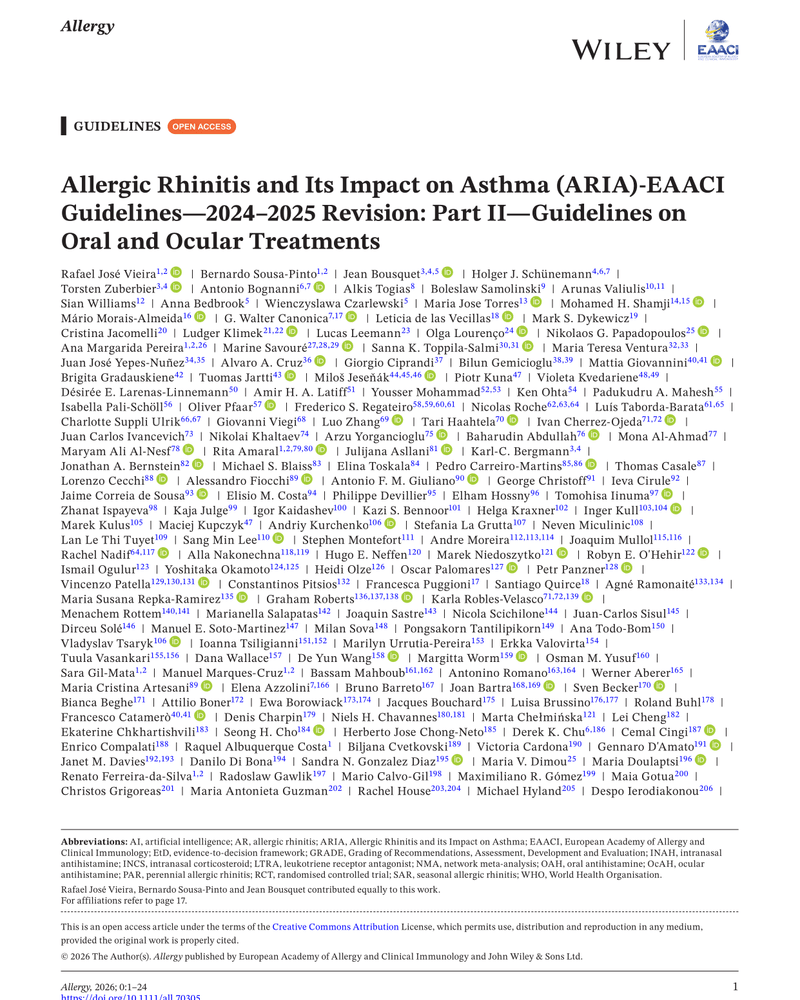
ALLERGIC RHINITIS AND ITS IMPACT ON ASTHMA (ARIA)-EAACI GUIDELINES—2024–2025 REVISION: PART II—GUIDELINES ON ORAL AND OCULAR TREATMENTS
Same specialty · Allergy and Immunology
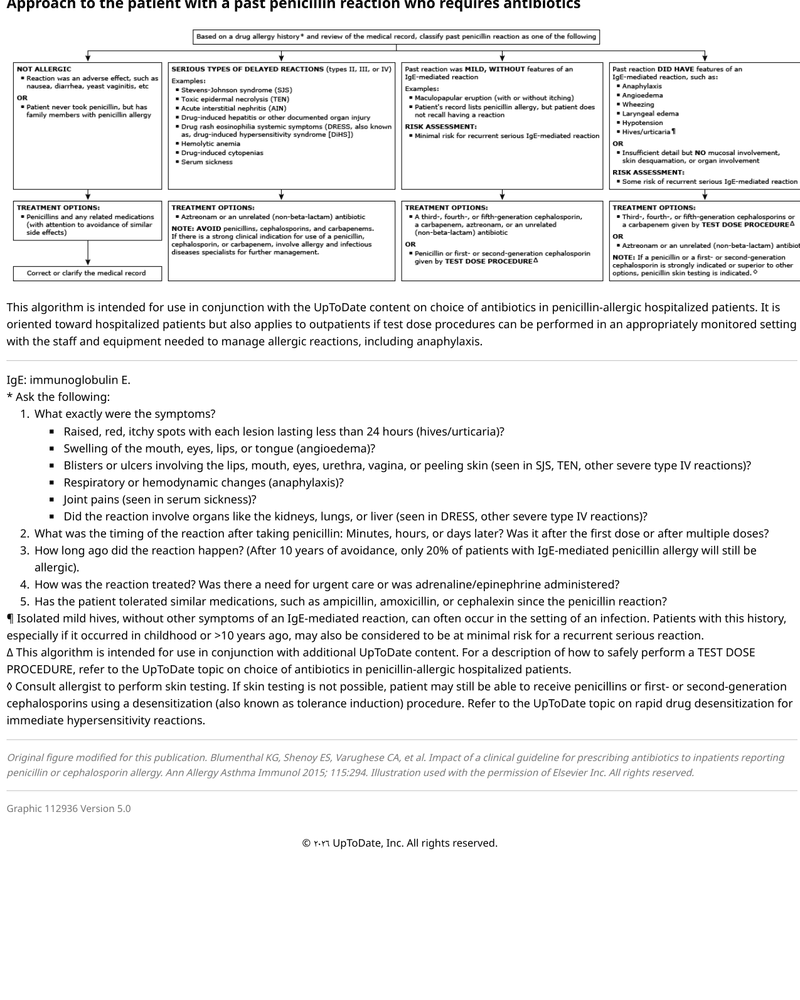
APPROACH TO THE PATIENT WITH A PAST PENICILLIN REACTION WHO REQUIRES ANTIBIOTICS
Same specialty · Allergy and Immunology
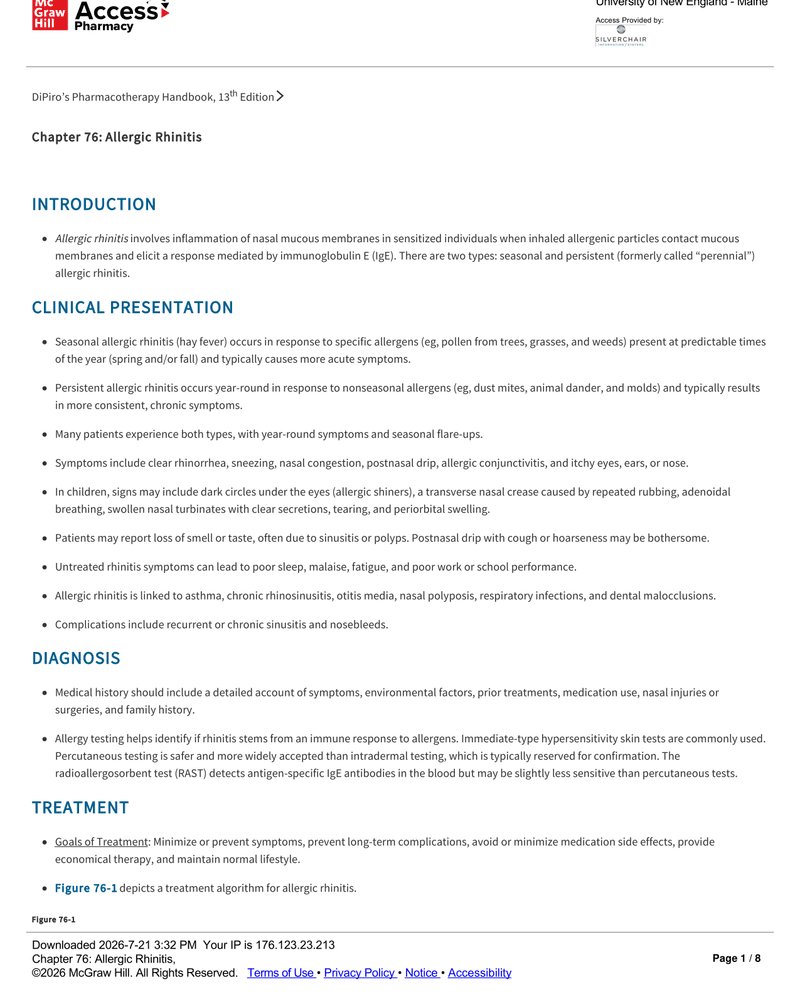
CHAPTER 76: ALLERGIC RHINITIS
Same specialty · Allergy and Immunology
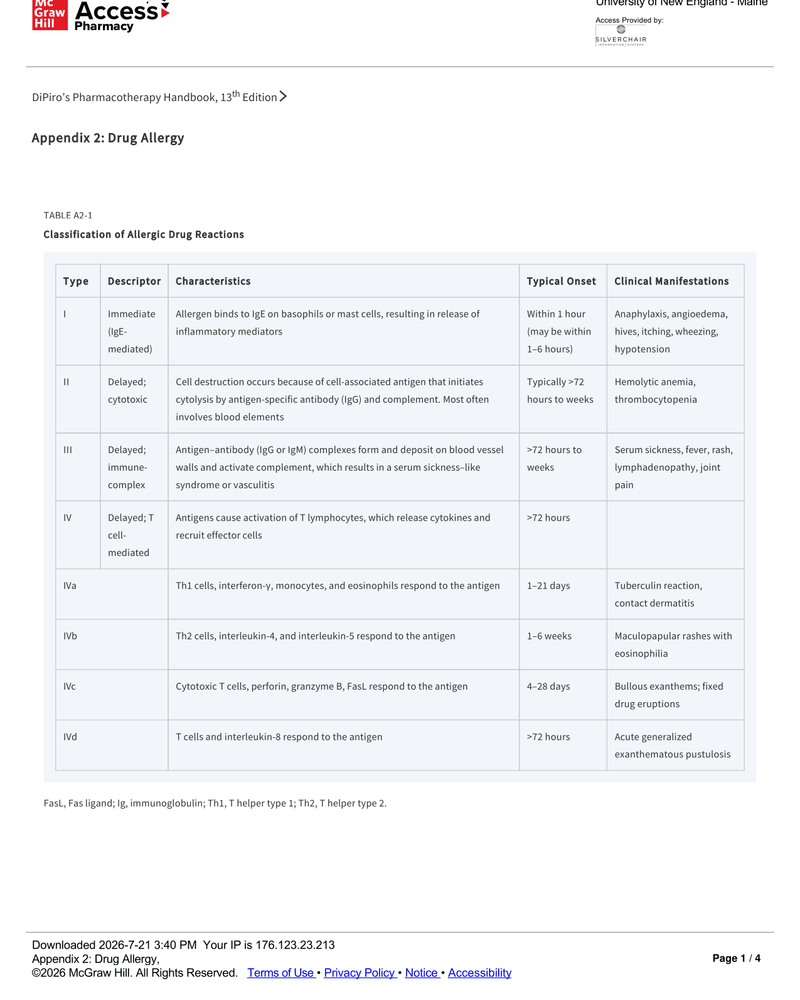
APPENDIX 2: DRUG ALLERGY
Same specialty · Allergy and Immunology

Traumatic Brain Injury
Same resource type · Neurology
ADA Consensus Report: MASLD in People With Diabetes
Same resource type · Endocrinology