Please wait while we open this resource.


K

Clinical reviews
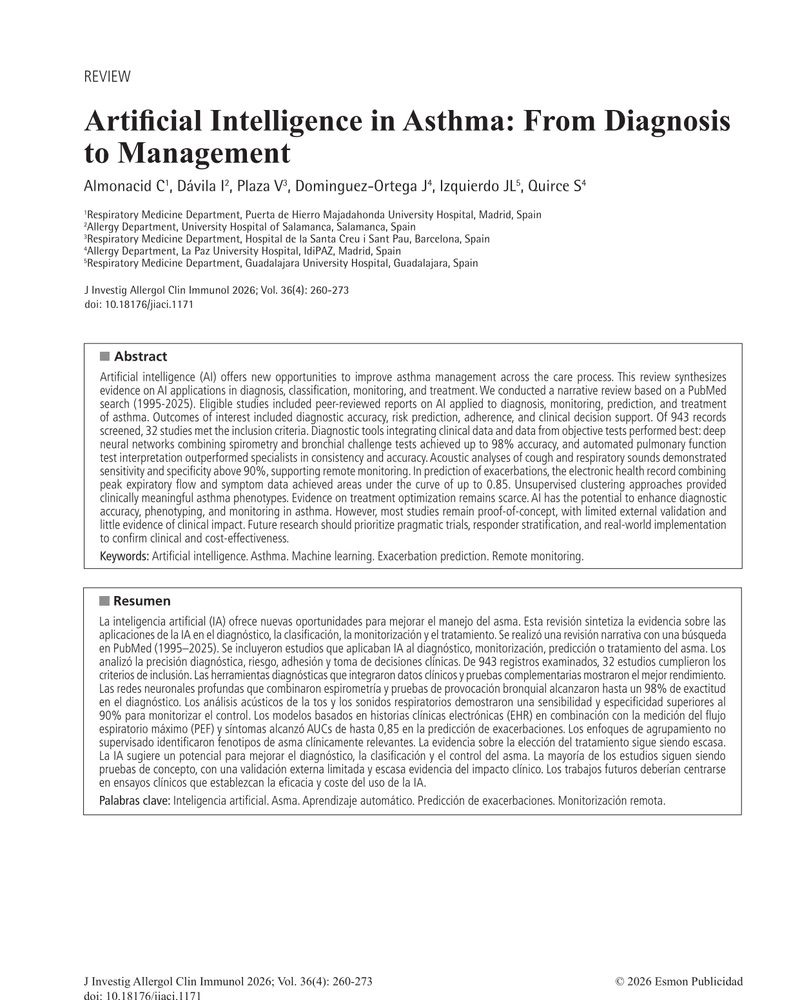
ARTIFICIAL INTELLIGENCE IN ASTHMA: FROM DIAGNOSIS TO MANAGEMENT
Hospital Universitario Puerta de Hierro Majadahonda
PDF202614 pages445 KB
The document provides a comprehensive narrative review of the role of artificial intelligence in asthma management, focusing on its applications in diagnosis, monitoring, and treatment. It includes a systematic evaluation of peer-reviewed studies that demonstrate the effectiveness of AI tools in enhancing diagnostic accuracy and clinical decision support. The findings indicate that AI can significantly improve patient outcomes by integrating clinical data with objective test results, thereby facilitating better management of asthma exacerbations and overall patient care.
Sign in to open
Ask this resource
Answers use this document only.
Your first question is free.
More like this
Resources from the same specialty and type. Curated links will replace these when added.
Clinical Resources
Documents that extend or complement this resource.
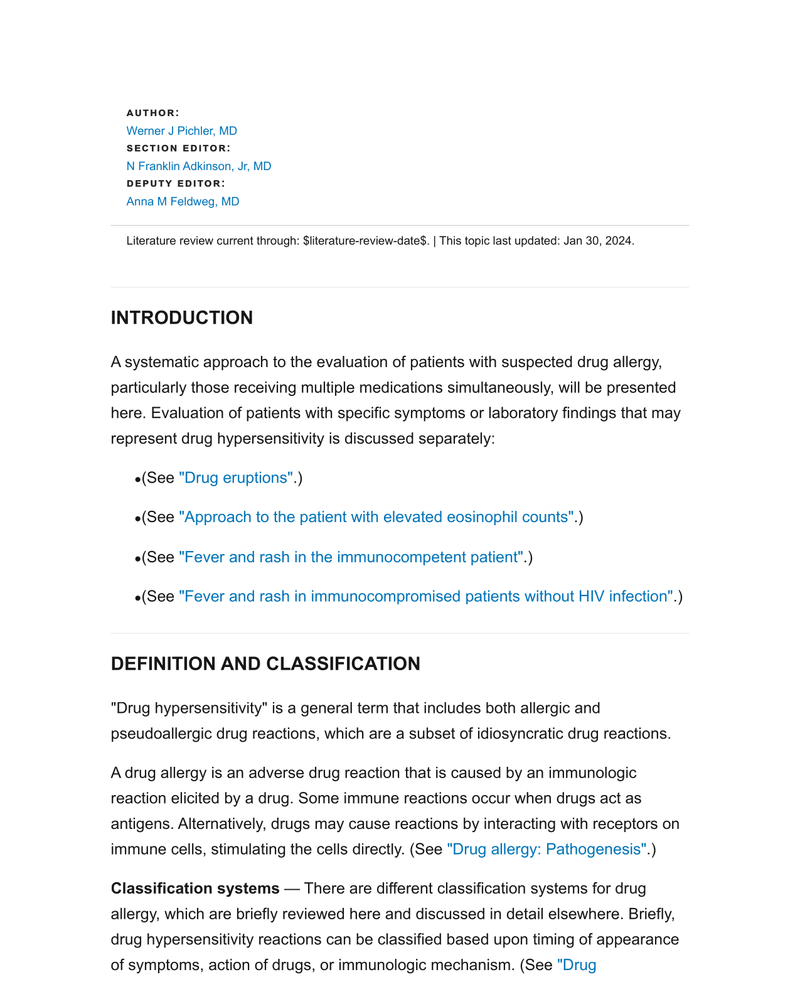
DRUG HYPERSENSITIVITY: EVALUATION AND MANAGEMENT
Same clinical topic · Allergy and Immunology
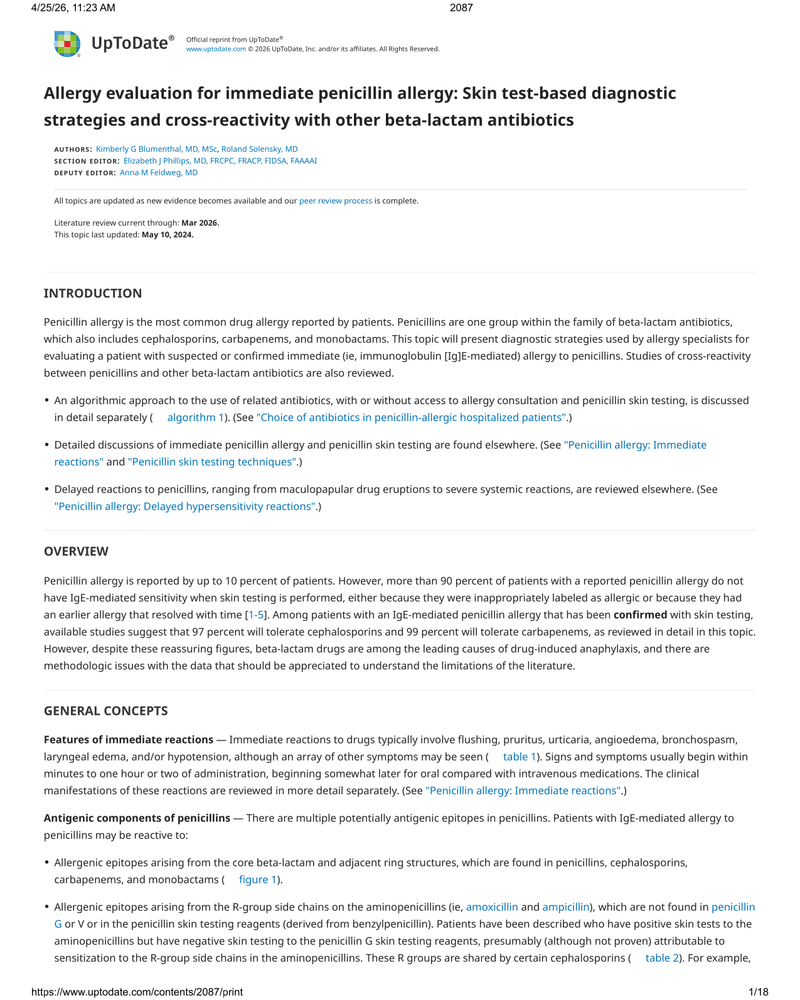
ALLERGY EVALUATION FOR IMMEDIATE PENICILLIN ALLERGY: SKIN TEST-BASED DIAGNOSTIC STRATEGIES AND CROSS-REACTIVITY WITH OTHER BETA-LACTAM ANTIBIOTICS
Same clinical topic · Allergy and Immunology
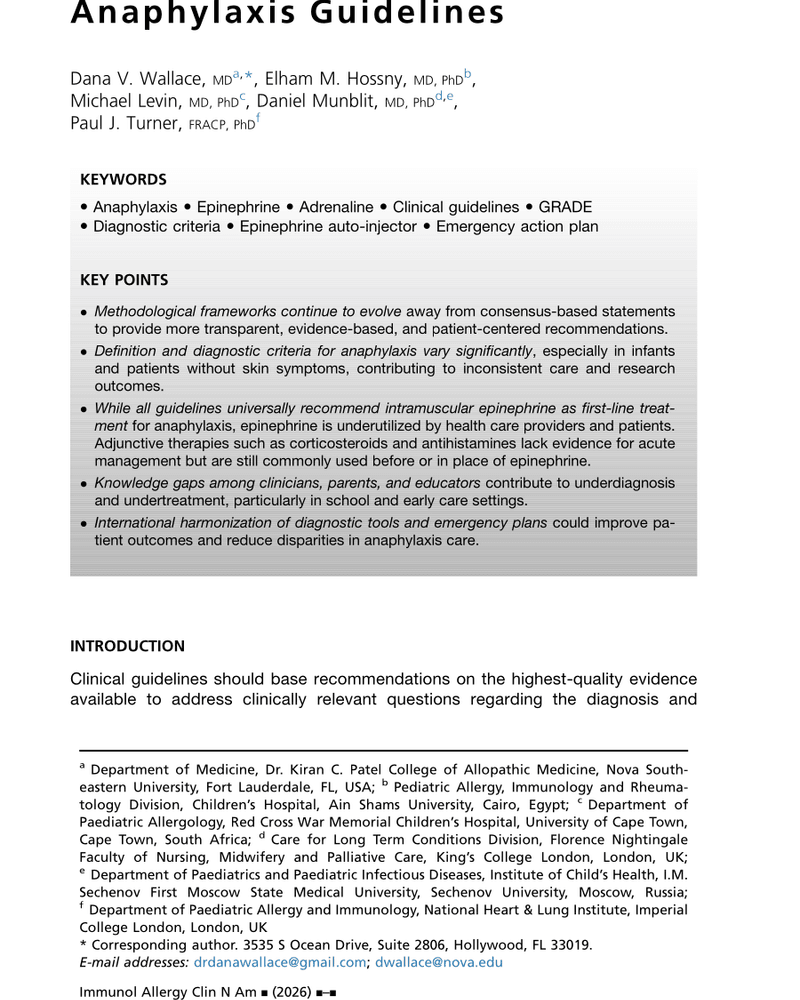
MAJOR KNOWLEDGE GAPS IN THE DIAGNOSIS AND MANAGEMENT OF ANAPHYLAXIS
Same specialty · Allergy and Immunology
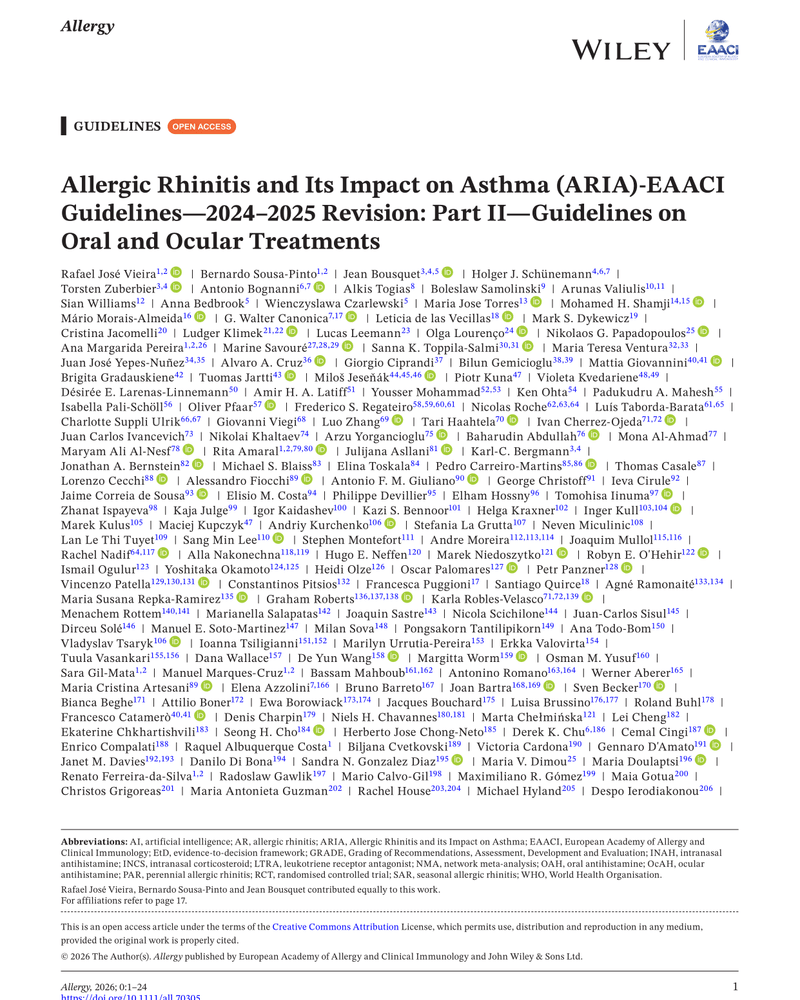
ALLERGIC RHINITIS AND ITS IMPACT ON ASTHMA (ARIA)-EAACI GUIDELINES—2024–2025 REVISION: PART II—GUIDELINES ON ORAL AND OCULAR TREATMENTS
Same specialty · Allergy and Immunology
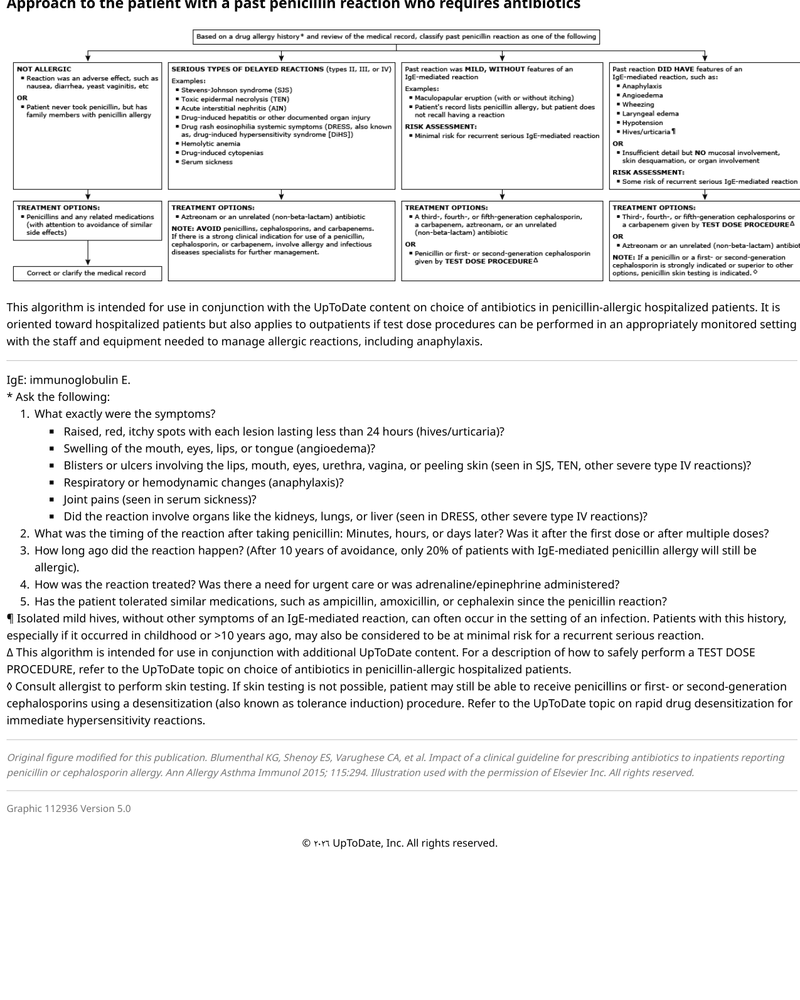
APPROACH TO THE PATIENT WITH A PAST PENICILLIN REACTION WHO REQUIRES ANTIBIOTICS
Same specialty · Allergy and Immunology
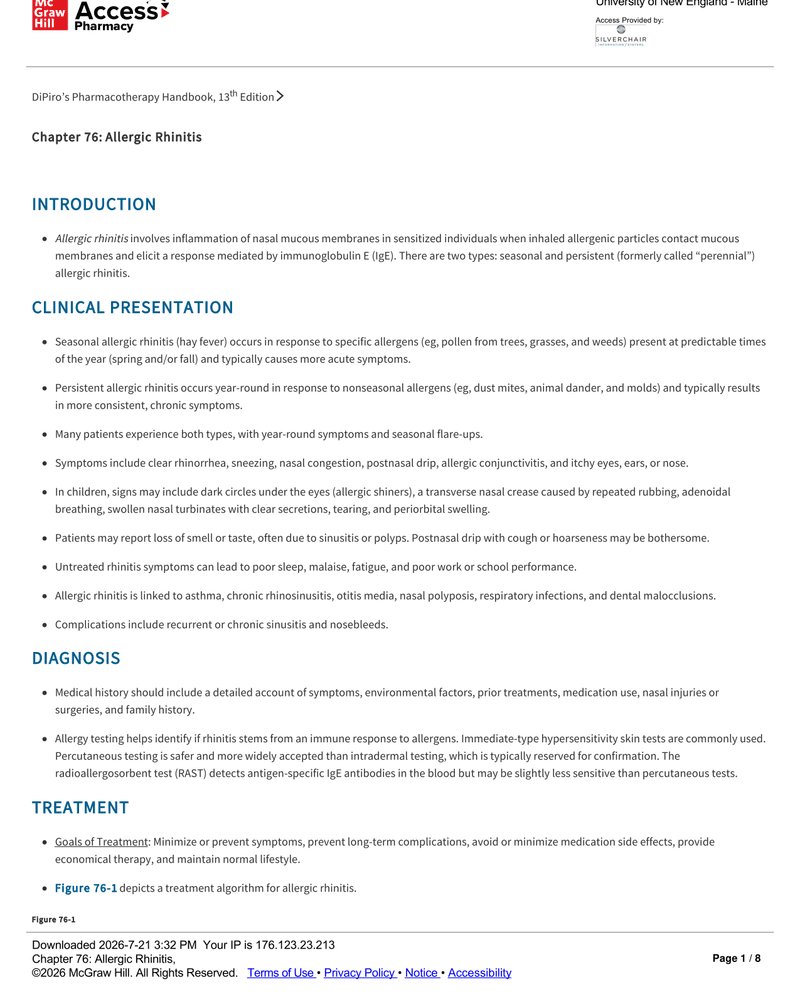
CHAPTER 76: ALLERGIC RHINITIS
Same specialty · Allergy and Immunology
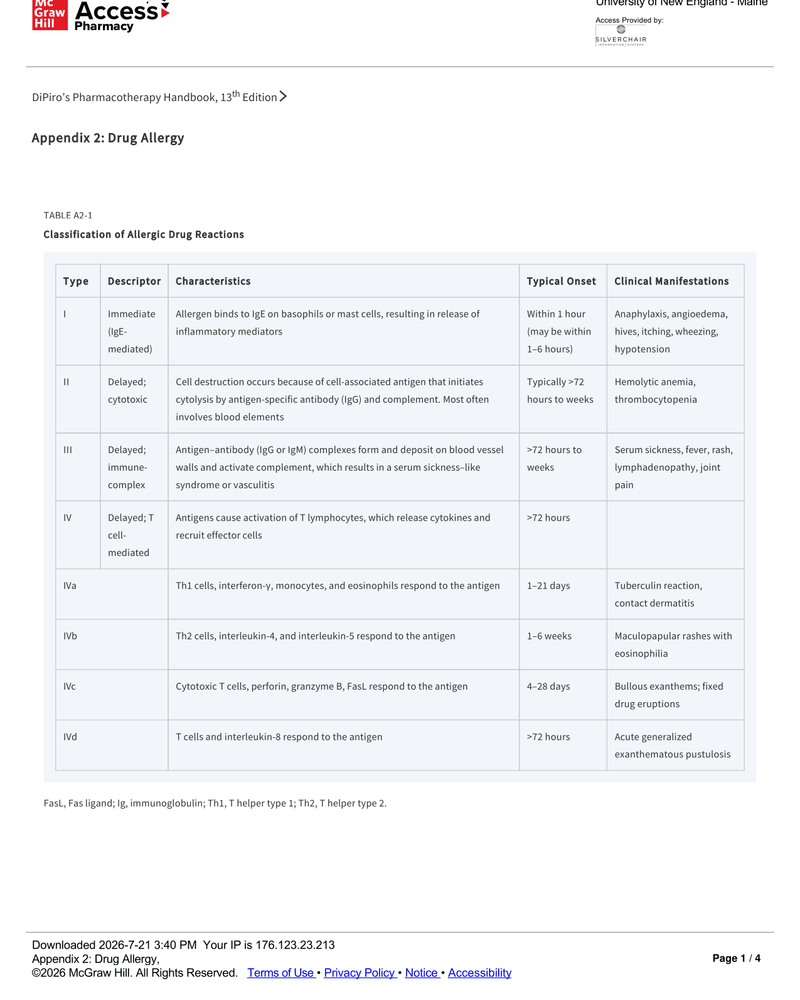
APPENDIX 2: DRUG ALLERGY
Same specialty · Allergy and Immunology

Traumatic Brain Injury
Same resource type · Neurology
ADA Consensus Report: MASLD in People With Diabetes
Same resource type · Endocrinology