Please wait while we open this resource.


K

Clinical reviews
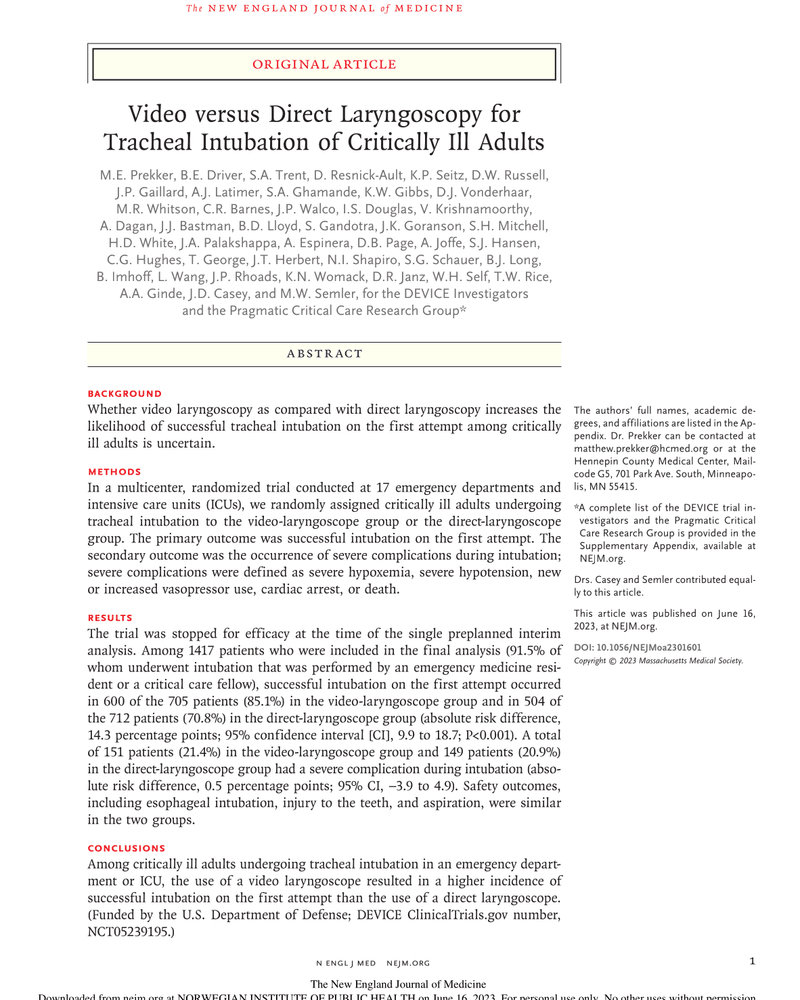
VIDEO VERSUS DIRECT LARYNGOSCOPY FOR TRACHEAL INTUBATION OF CRITICALLY ILL ADULTS
null
PDF202312 pages615 KB
In a multicenter, randomized trial involving 1417 critically ill adults undergoing tracheal intubation, patients were assigned to either the video-laryngoscope group or the direct-laryngoscope group. The primary outcome measured was the success of intubation on the first attempt, while secondary outcomes included severe complications during the procedure. The study found a significant difference in first-attempt success rates between the two methods, leading to the trial being stopped for efficacy after the interim analysis.
Sign in to open
Ask this resource
Answers use this document only.
Your first question is free.
More like this
Resources from the same specialty and type. Curated links will replace these when added.
Clinical Resources
Documents that extend or complement this resource.
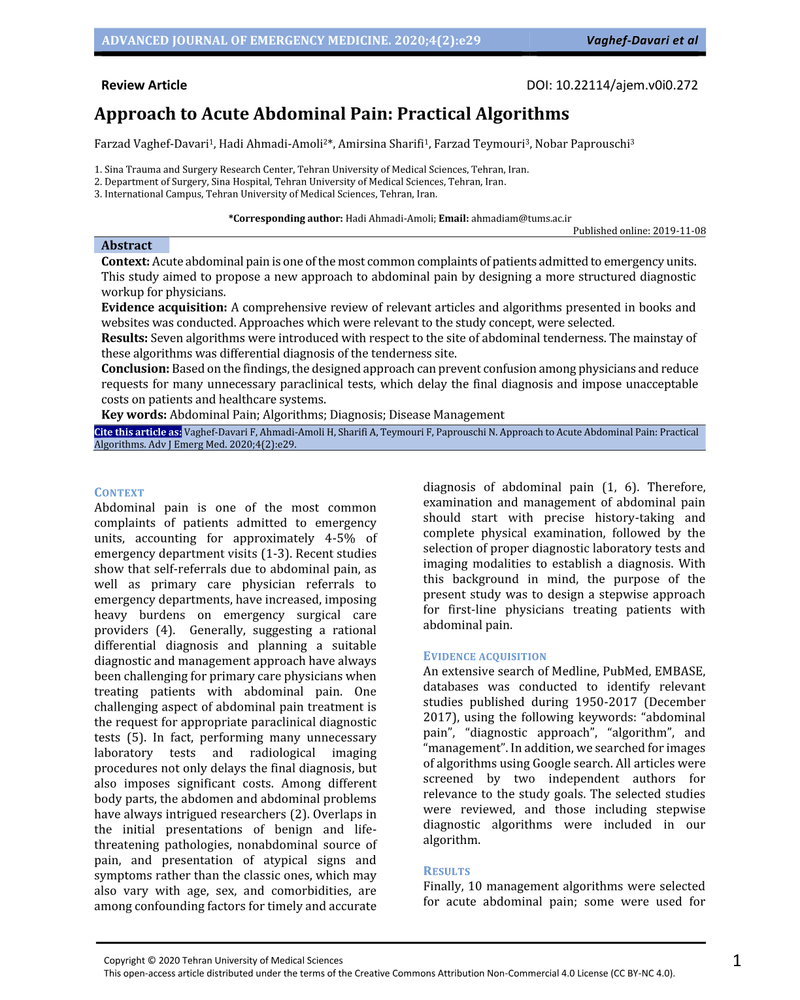
Approach to Acute Abdominal Pain: Practical Algorithms
Same clinical topic · Emergency Medicine
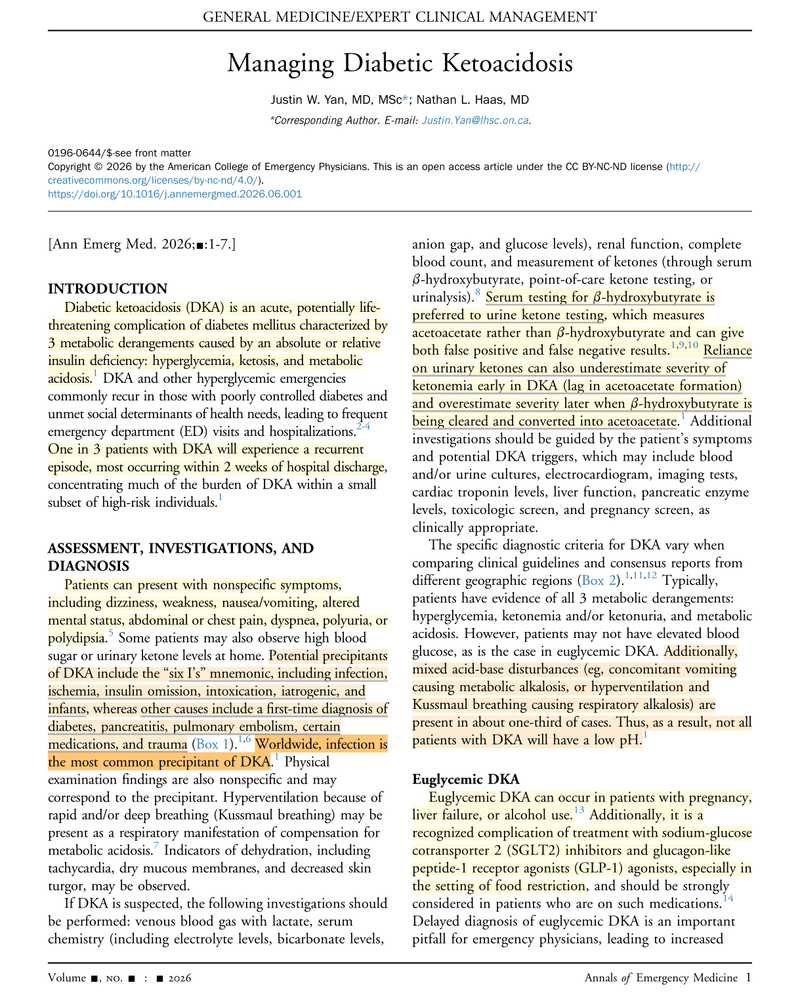
TREATMENT AND MONITORING
Same clinical topic · Emergency Medicine
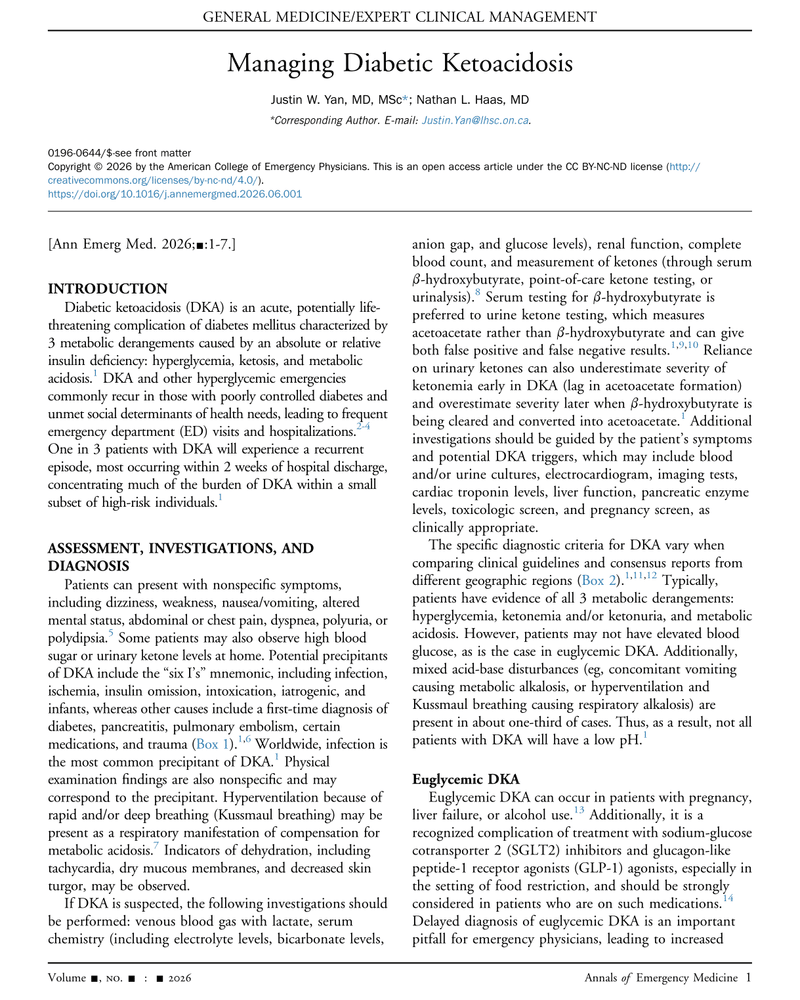
Managing Diabetic Ketoacidosis
Same clinical topic · Emergency Medicine
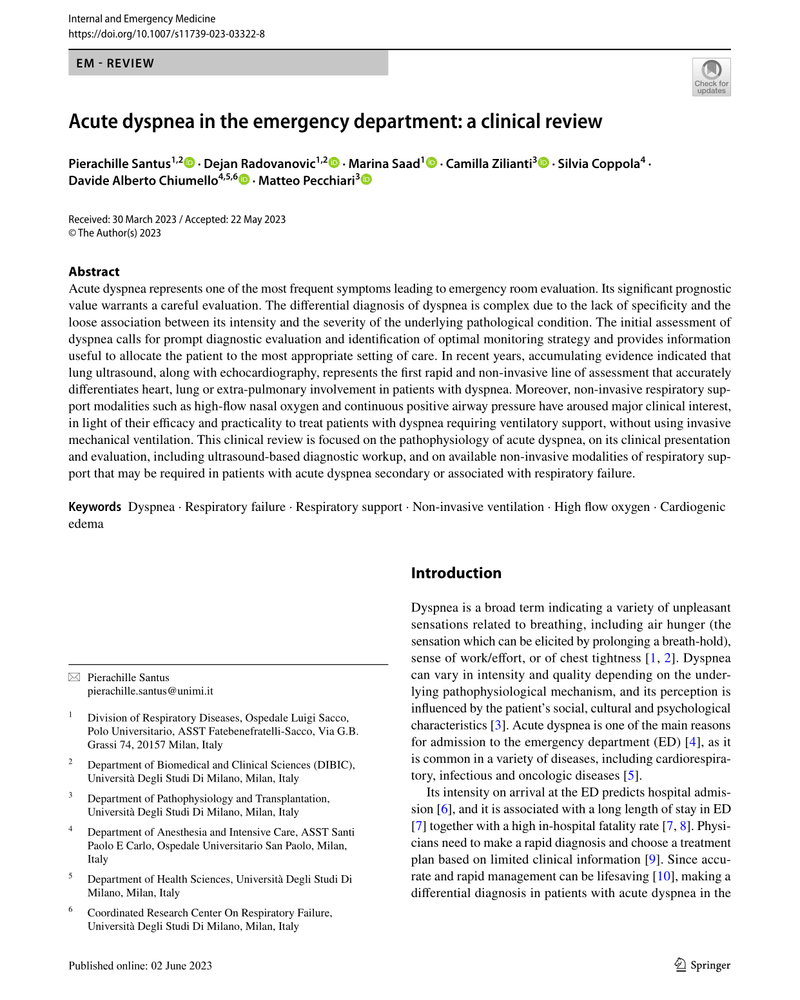
ACUTE DYSPNEA IN THE EMERGENCY DEPARTMENT: A CLINICAL REVIEW
Same clinical topic · Emergency Medicine
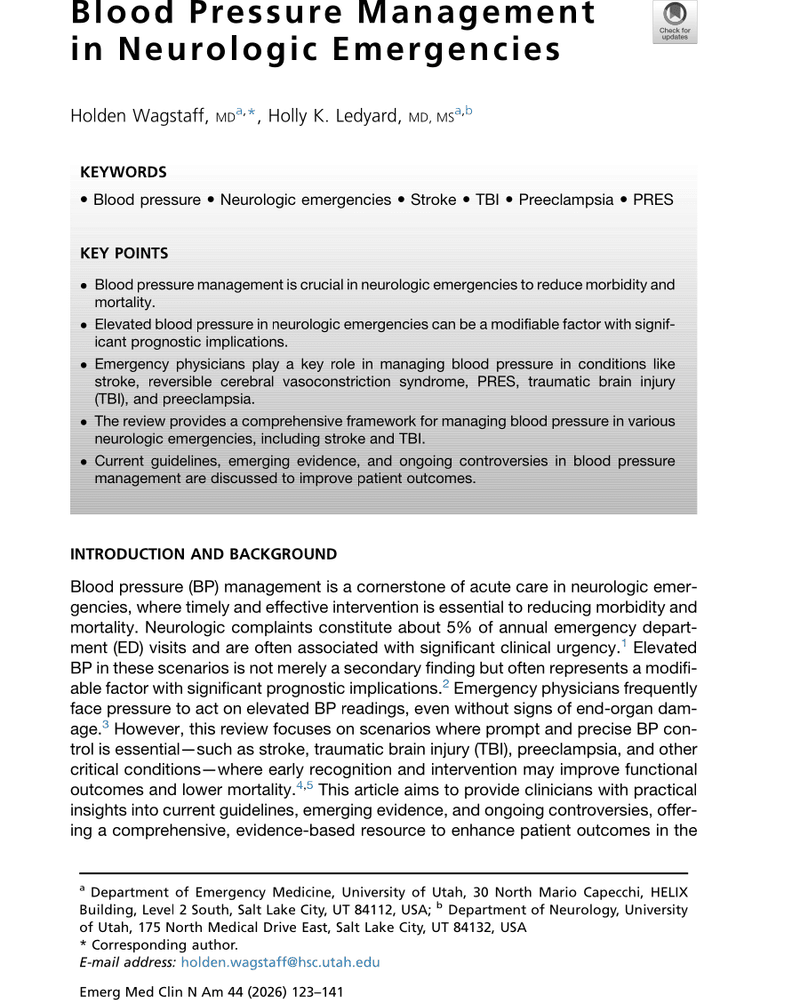
BLOOD PRESSURE MANAGEMENT IN NEUROLOGIC EMERGENCIES
Same clinical topic · Emergency Medicine
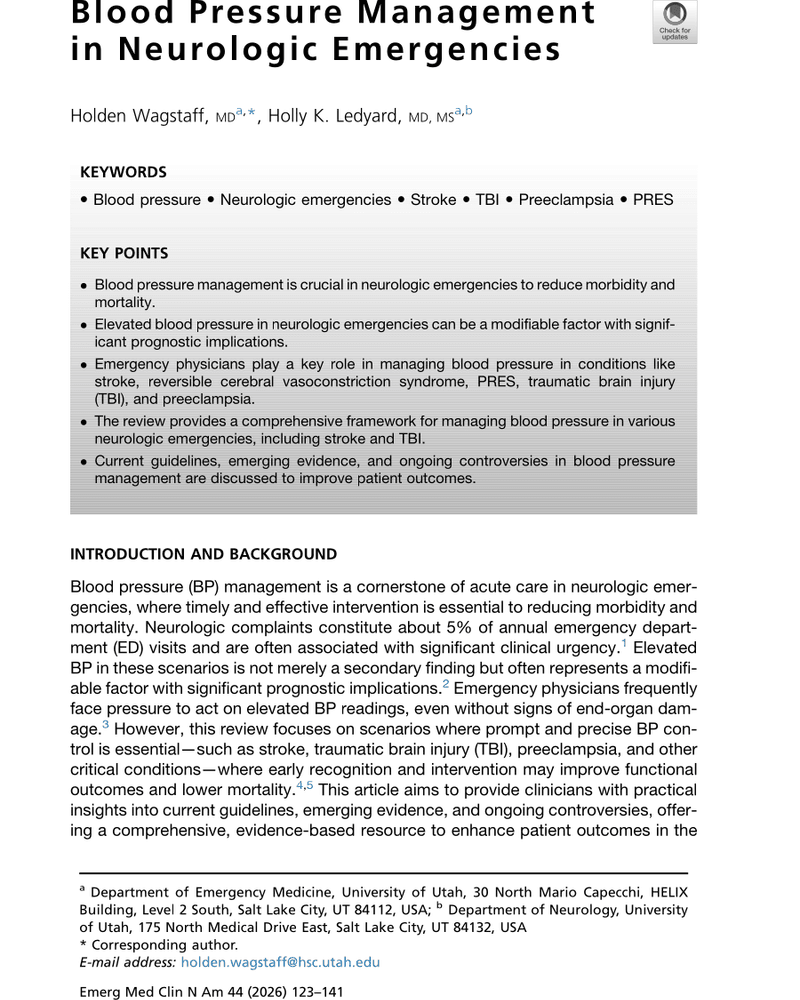
BLOOD PRESSURE MANAGEMENT IN NEUROLOGIC EMERGENCIES
Same clinical topic · Emergency Medicine
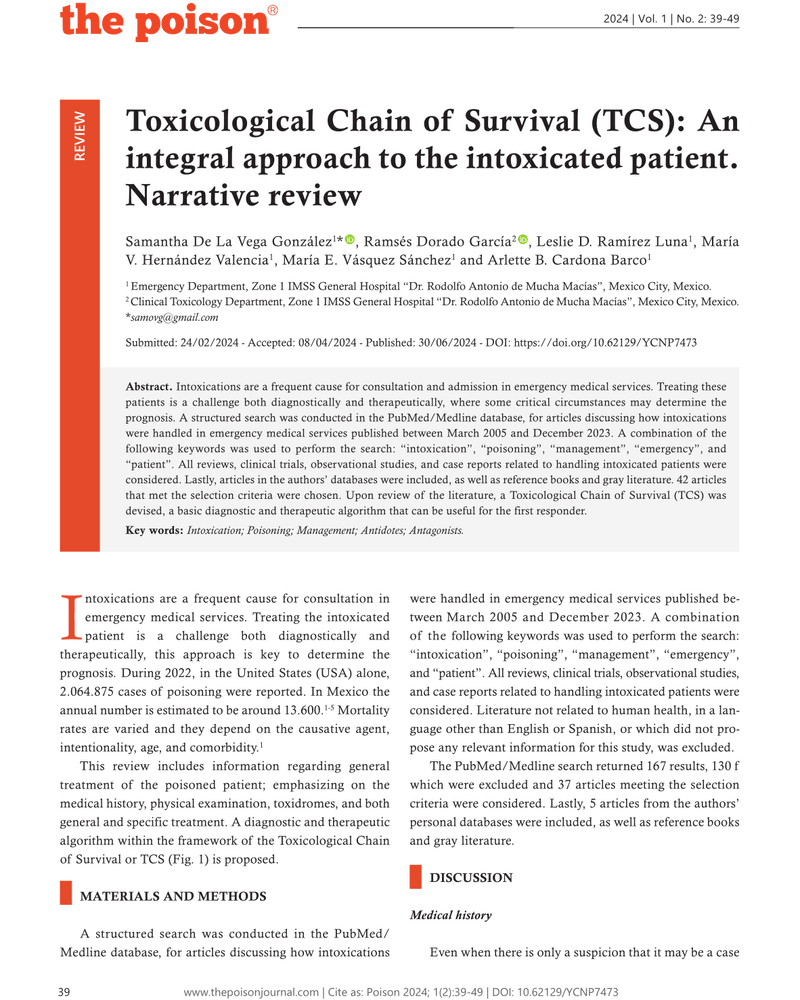
TOXICOLOGICAL CHAIN OF SURVIVAL (TCS): AN INTEGRAL APPROACH TO THE INTOXICATED PATIENT. NARRATIVE REVIEW
Same clinical topic · Emergency Medicine
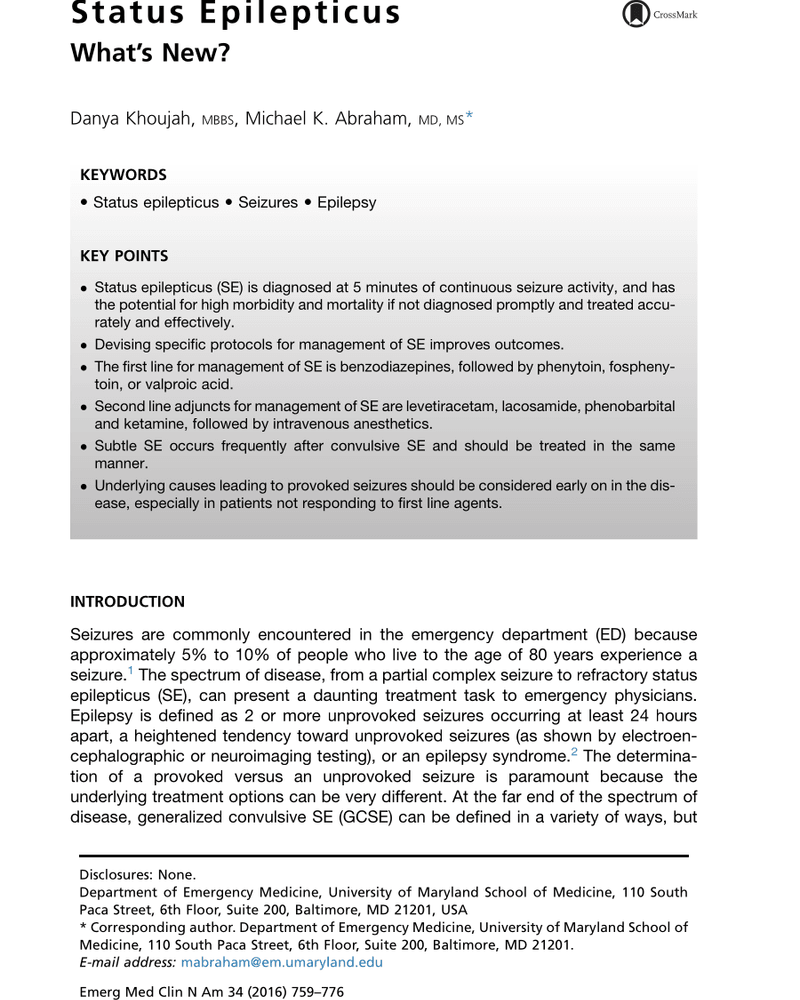
FAILURES IN THE MANAGEMENT OF STATUS EPILEPTICUS
Same clinical topic · Emergency Medicine
A Review of Bicarbonate Use in Common Clinical Scenarios
Same clinical topic · Emergency Medicine