Please wait while we open this resource.


K

Clinical reviews
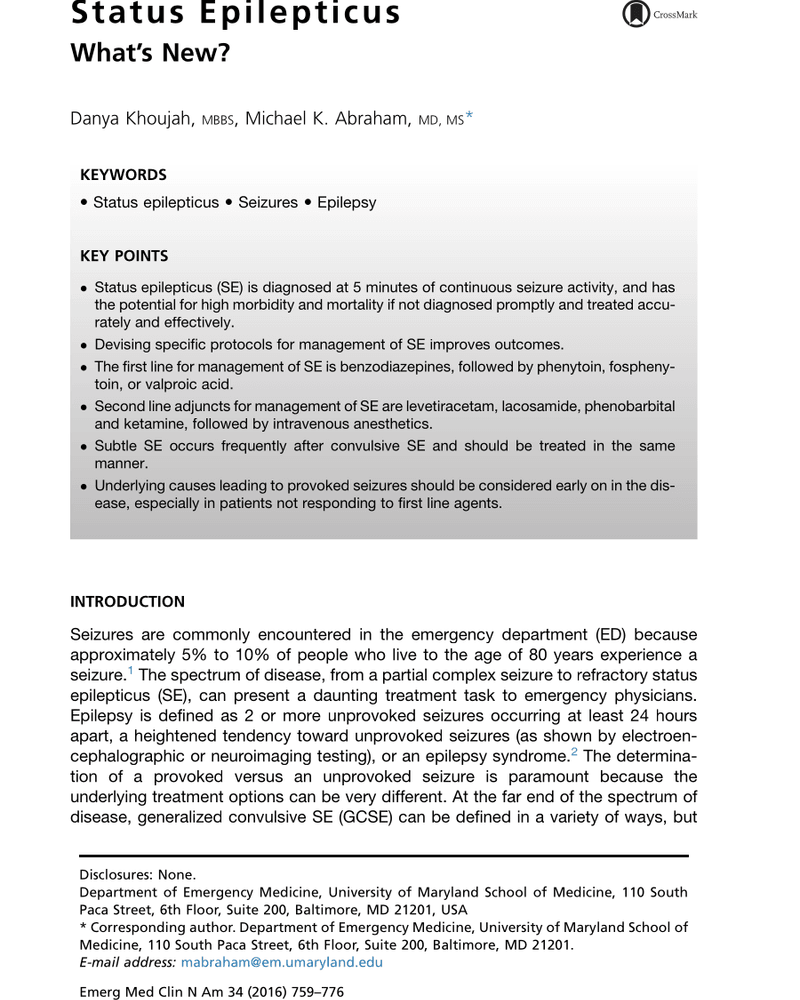
FAILURES IN THE MANAGEMENT OF STATUS EPILEPTICUS
Department of Emergency Medicine, University of Maryland School
PDF18 pages376 KB
Status epilepticus (SE) is a critical condition characterized by continuous seizure activity that can lead to significant morbidity and mortality if not treated promptly. The document outlines the first-line and second-line treatment options for SE, including benzodiazepines and adjunctive therapies. It also highlights the need for specific management protocols and the consideration of underlying causes in patients who do not respond to initial treatments. The content is particularly relevant for emergency medicine practitioners dealing with seizure cases.
Sign in to open
Ask this resource
Answers use this document only.
Your first question is free.
More like this
Resources from the same specialty and type. Curated links will replace these when added.
Clinical Resources
Documents that extend or complement this resource.
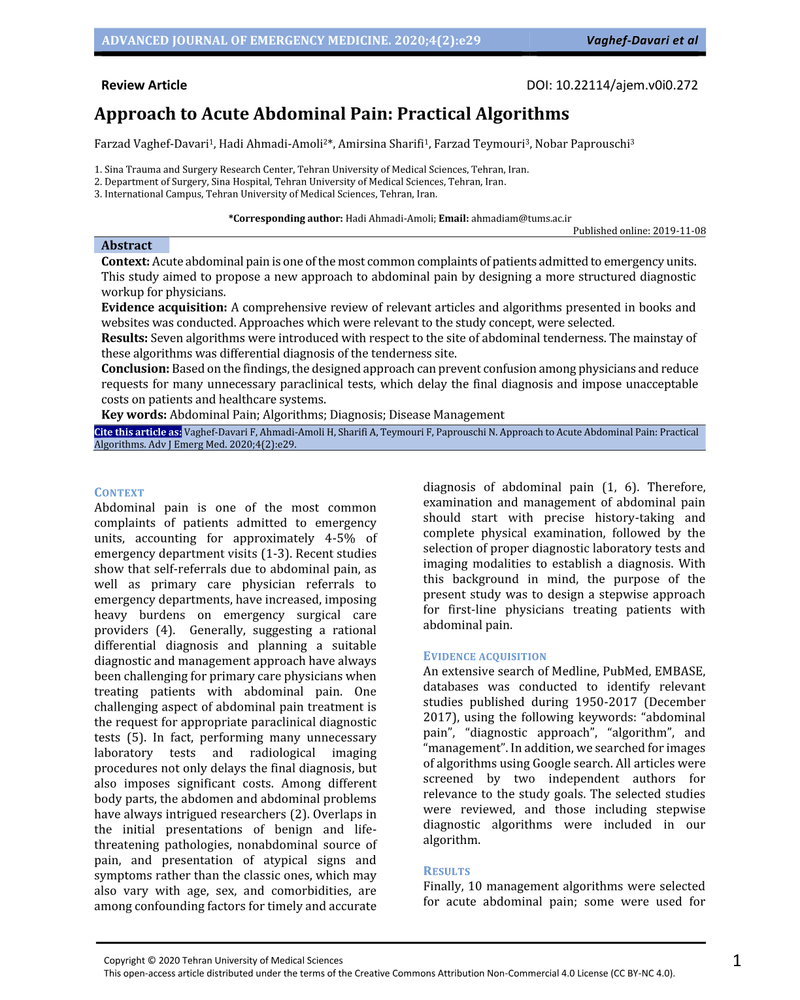
Approach to Acute Abdominal Pain: Practical Algorithms
Same clinical topic · Emergency Medicine
TREATMENT AND MONITORING
Same clinical topic · Emergency Medicine
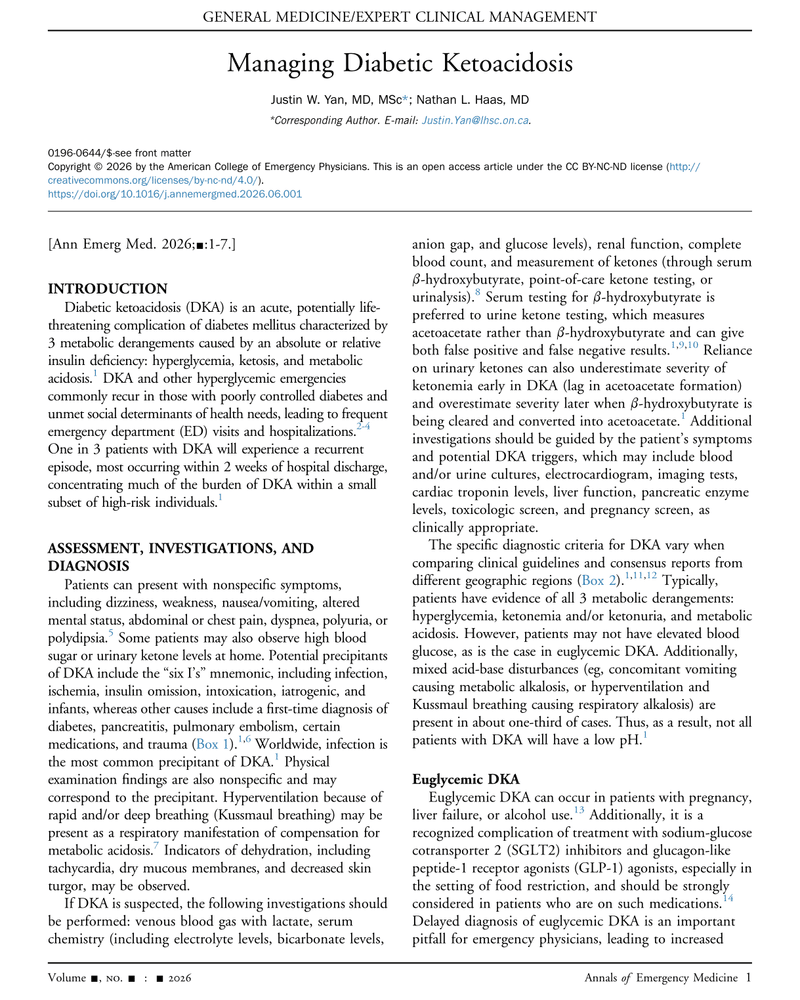
Managing Diabetic Ketoacidosis
Same clinical topic · Emergency Medicine
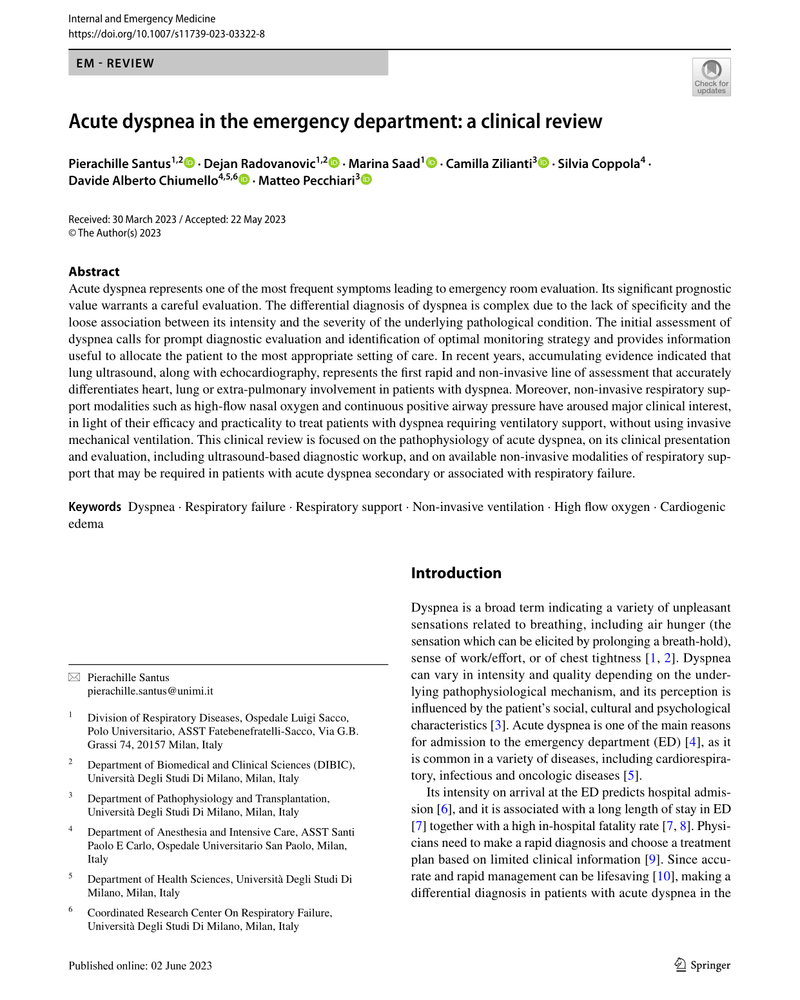
ACUTE DYSPNEA IN THE EMERGENCY DEPARTMENT: A CLINICAL REVIEW
Same clinical topic · Emergency Medicine
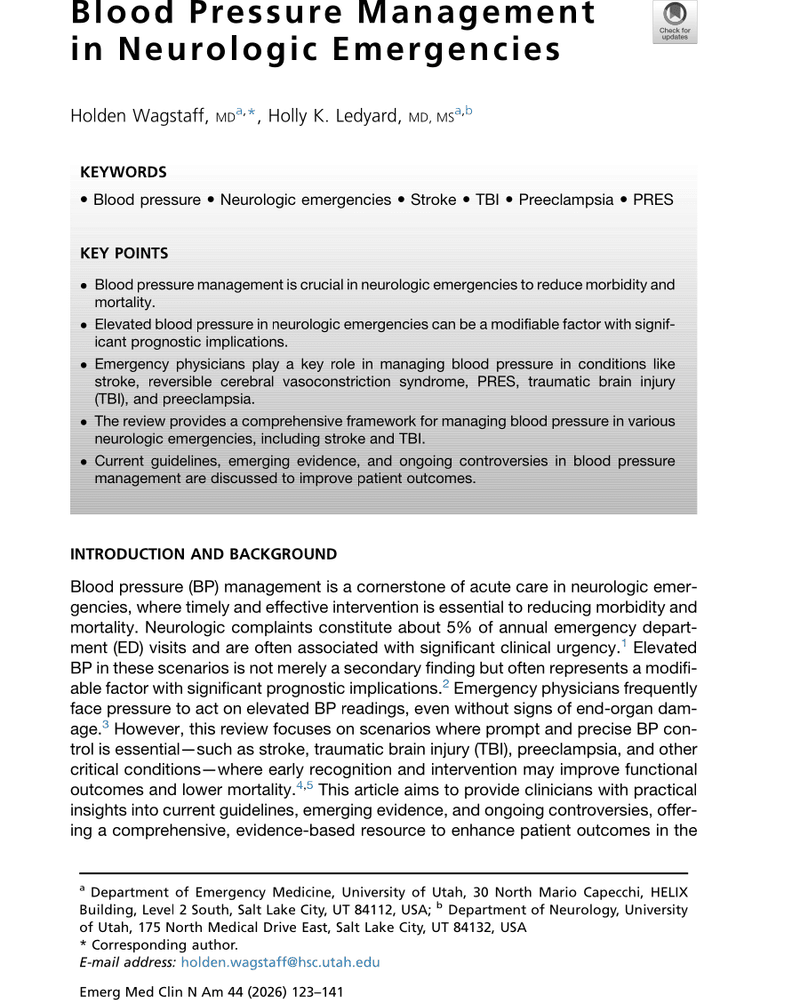
BLOOD PRESSURE MANAGEMENT IN NEUROLOGIC EMERGENCIES
Same clinical topic · Emergency Medicine
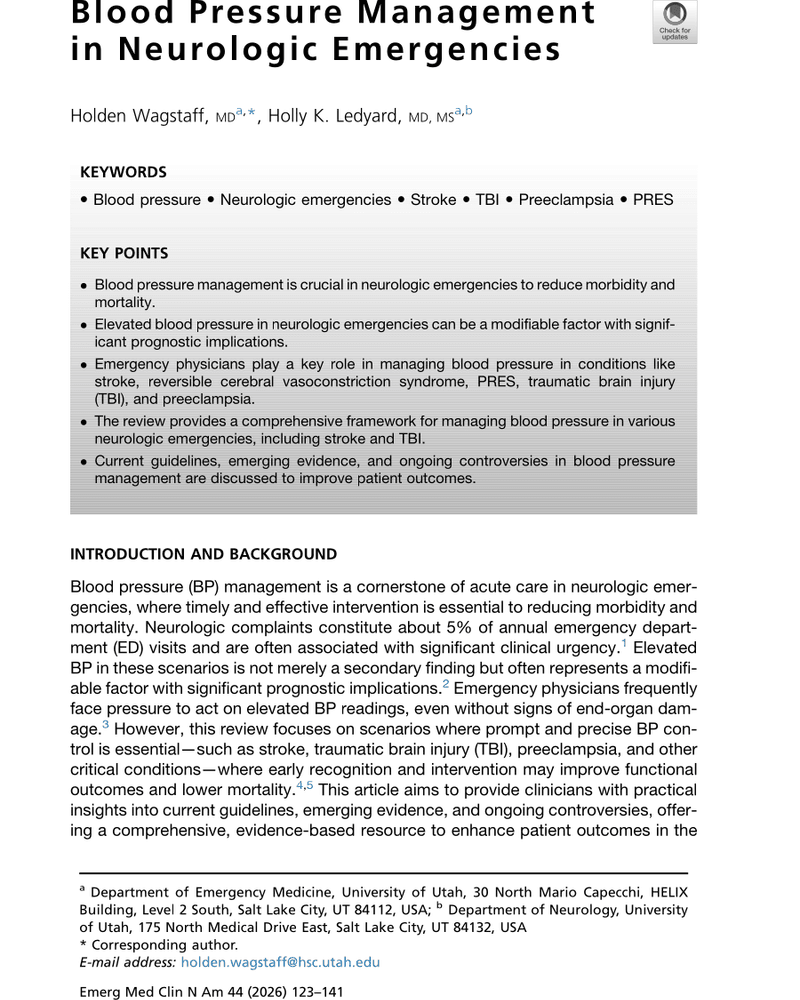
BLOOD PRESSURE MANAGEMENT IN NEUROLOGIC EMERGENCIES
Same clinical topic · Emergency Medicine
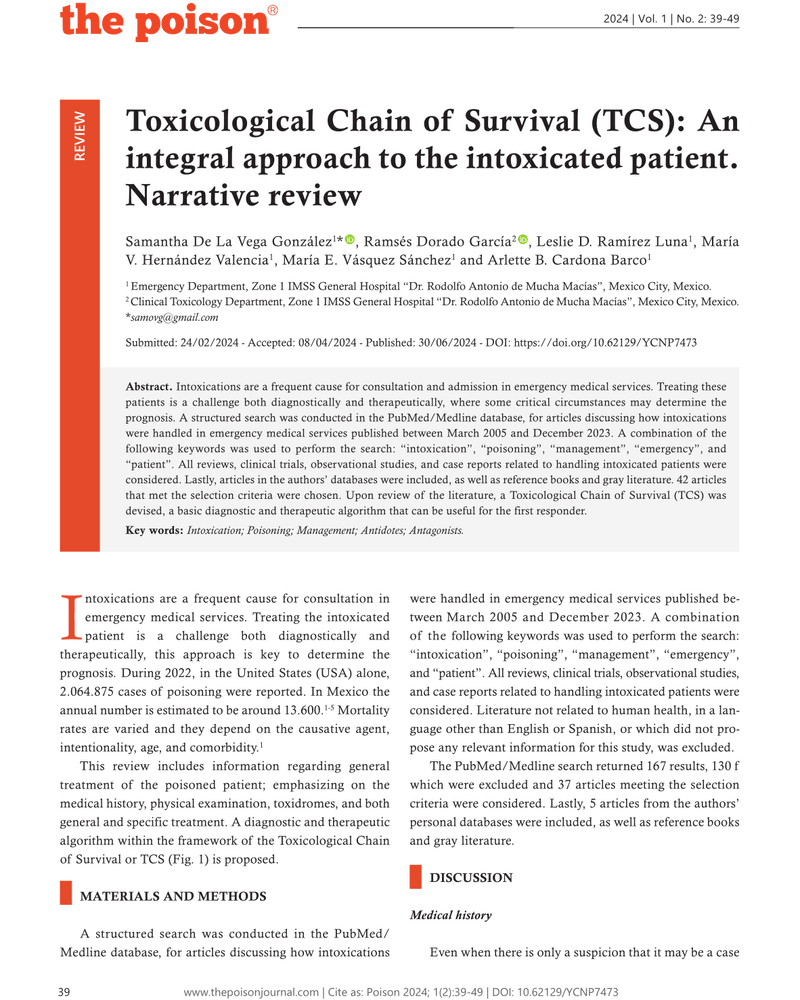
TOXICOLOGICAL CHAIN OF SURVIVAL (TCS): AN INTEGRAL APPROACH TO THE INTOXICATED PATIENT. NARRATIVE REVIEW
Same clinical topic · Emergency Medicine
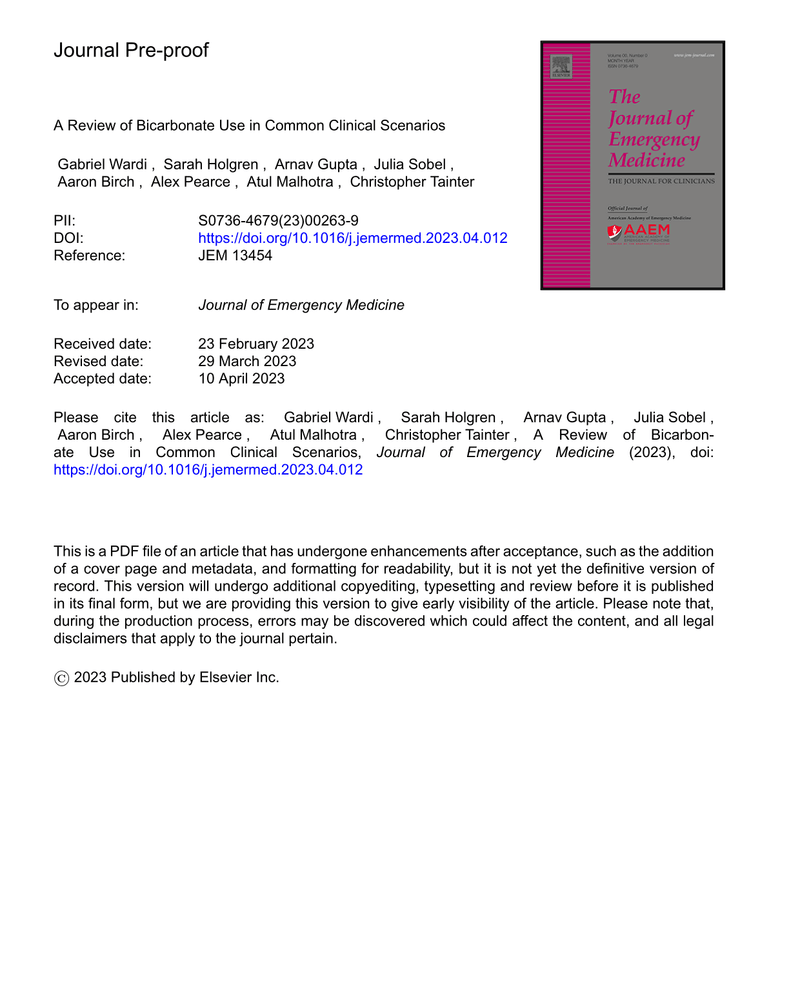
A Review of Bicarbonate Use in Common Clinical Scenarios
Same clinical topic · Emergency Medicine
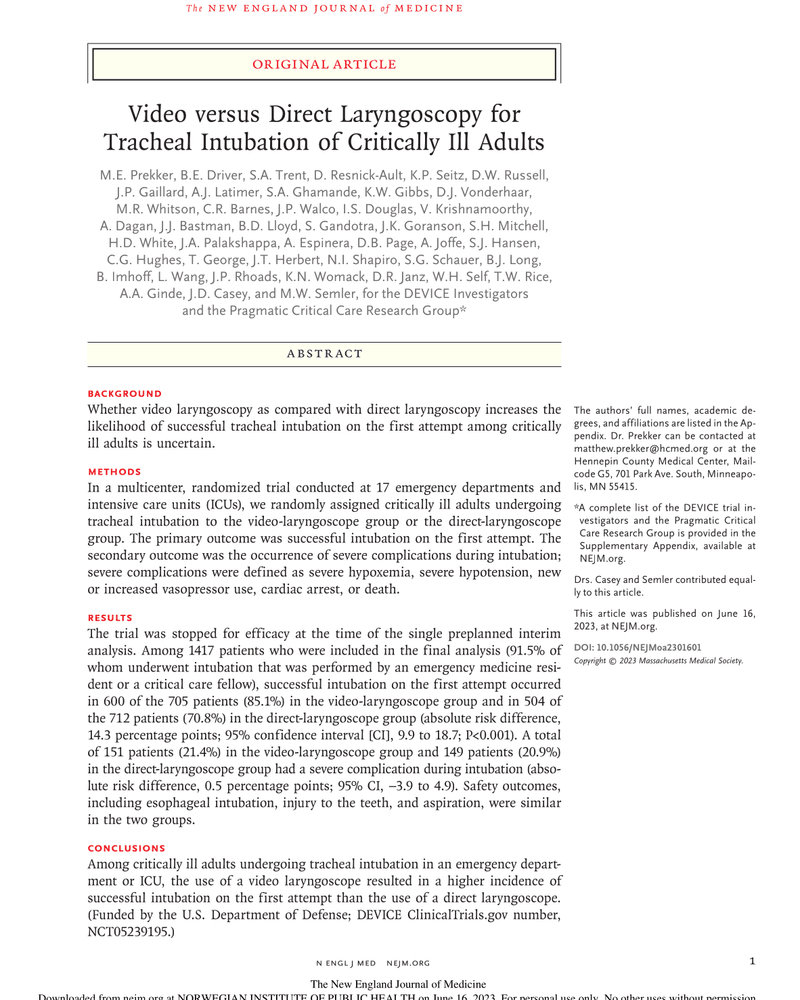
VIDEO VERSUS DIRECT LARYNGOSCOPY FOR TRACHEAL INTUBATION OF CRITICALLY ILL ADULTS
Same clinical topic · Emergency Medicine