Please wait while we open this resource.


K

Clinical reviews
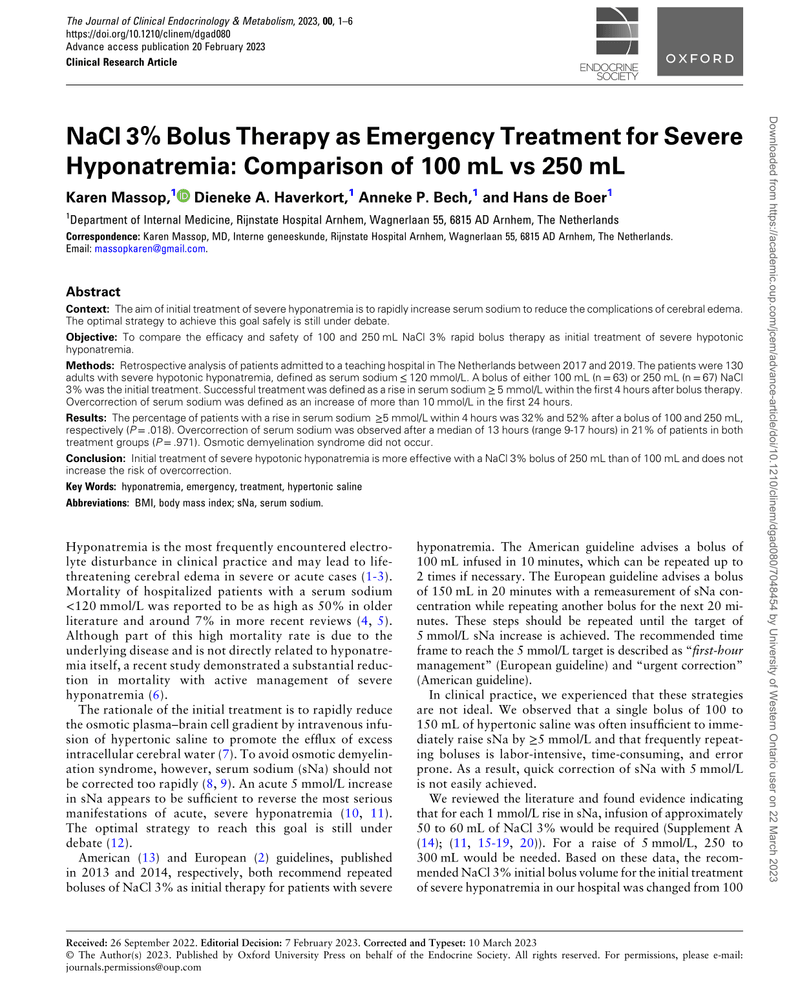
NACL 3% BOLUS THERAPY AS EMERGENCY TREATMENT FOR SEVERE HYPONATREMIA: COMPARISON OF 100 ML VS 250 ML
Department of Internal Medicine, Rijnstate Hospital Arnhem
PDF20236 pages491 KB
The aim of initial treatment for severe hyponatremia is to rapidly increase serum sodium to mitigate complications such as cerebral edema. This clinical research article presents a retrospective analysis of 130 adults with severe hypotonic hyponatremia, evaluating the outcomes of two different bolus volumes. The findings indicate a significant difference in the percentage of patients achieving a rise in serum sodium after treatment with the two bolus sizes, contributing to the ongoing debate regarding optimal treatment strategies.
Sign in to open
Ask this resource
Answers use this document only.
Your first question is free.
More like this
Resources from the same specialty and type. Curated links will replace these when added.
Clinical Resources
Documents that extend or complement this resource.
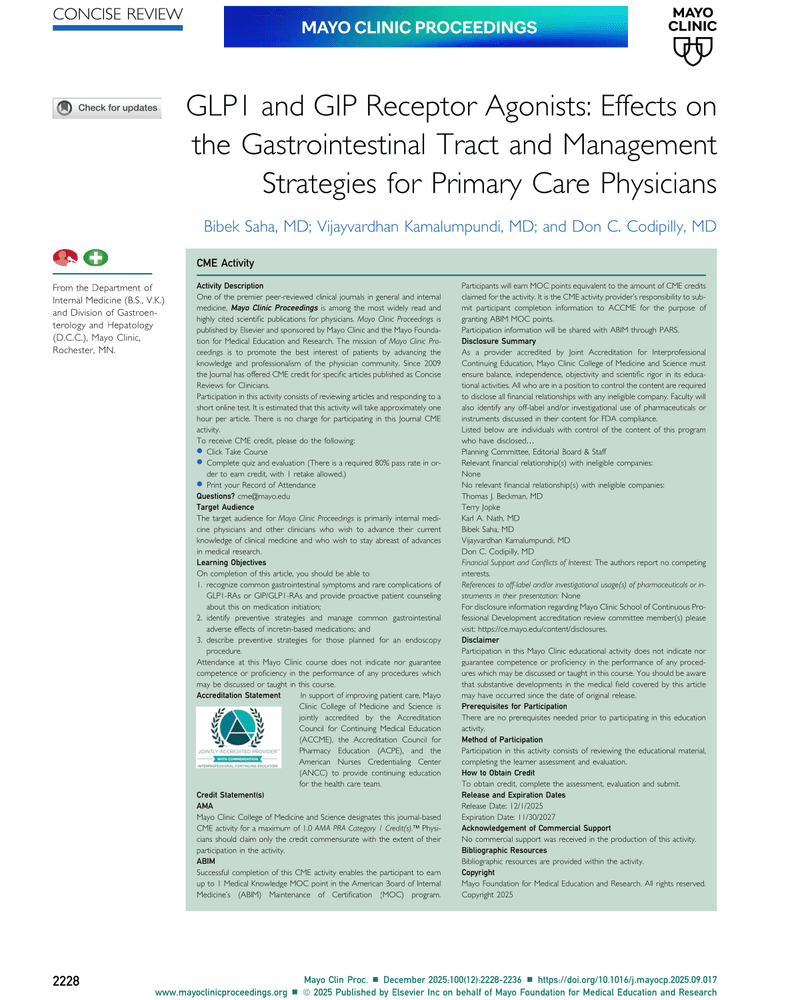
GLP1 and GIP Receptor Agonists: Effects on the Gastrointestinal Tract and Management Strategies for Primary Care Physicians
Same clinical topic · Internal Medicine
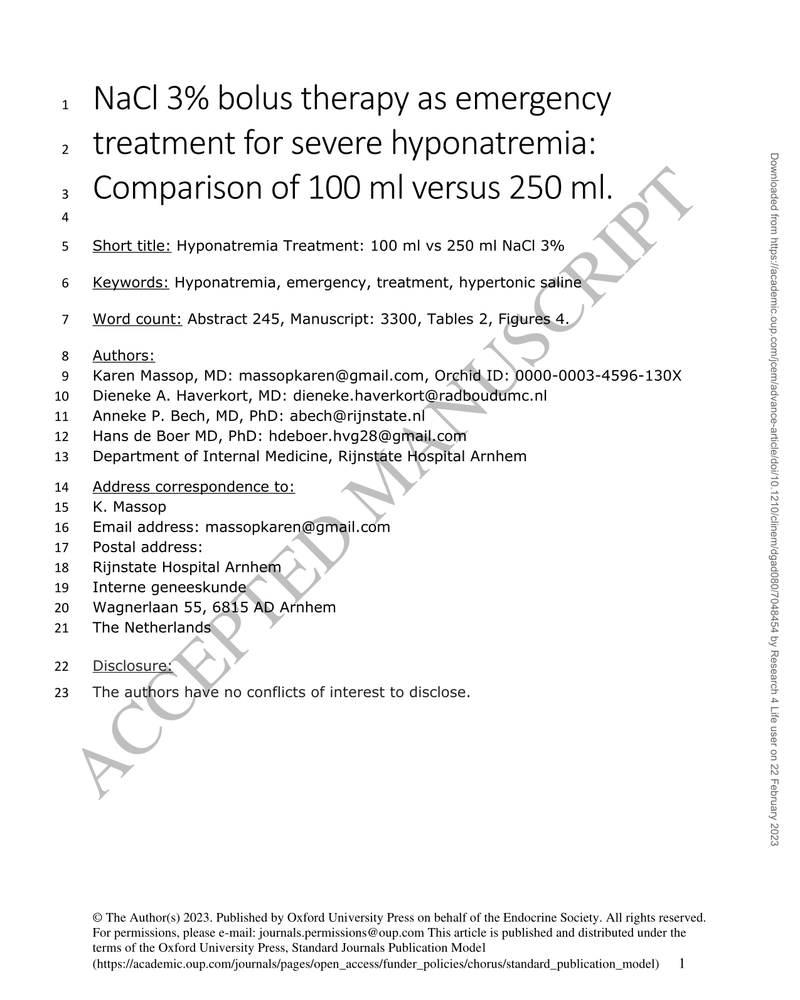
NaCl 3% BOLUS THERAPY AS EMERGENCY TREATMENT FOR SEVERE HYPONATREMIA: COMPARISON OF 100 ML VERSUS 250 ML
Same clinical topic · Internal Medicine
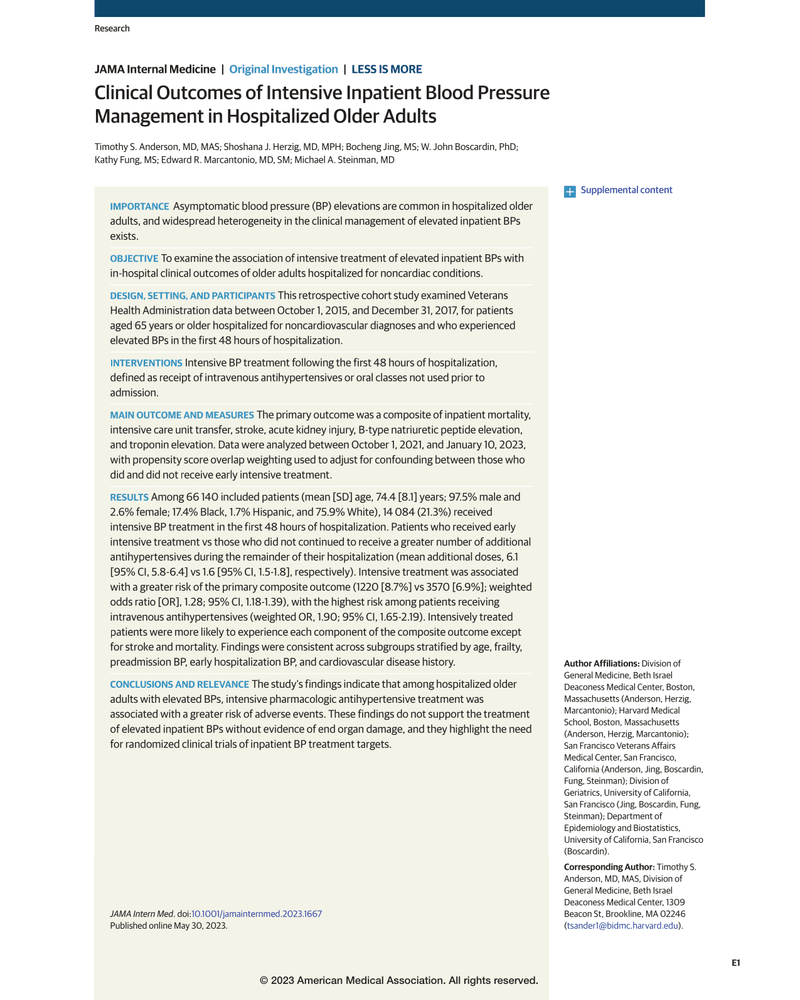
CLINICAL OUTCOMES OF INTENSIVE INPATIENT BLOOD PRESSURE MANAGEMENT IN HOSPITALIZED OLDER ADULTS
Same clinical topic · Internal Medicine
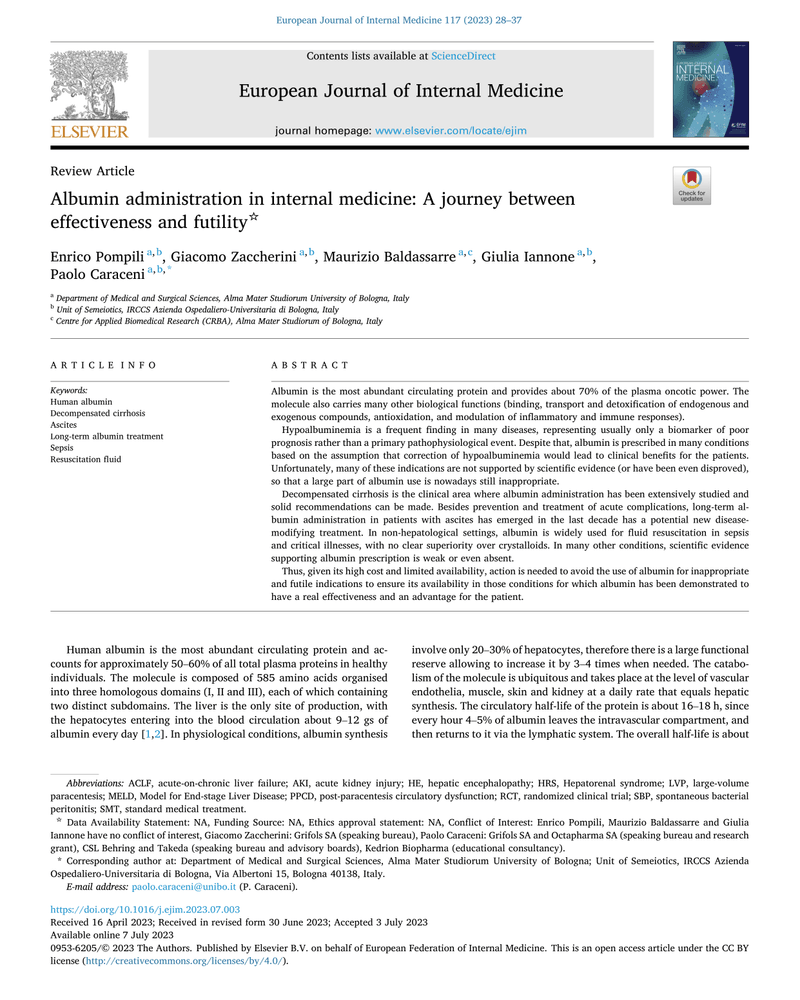
ALBUMIN ADMINISTRATION IN INTERNAL MEDICINE: A JOURNEY BETWEEN EFFECTIVENESS AND FUTILITY
Same clinical topic · Internal Medicine
HIV CASE PRESENTATION
Same clinical topic · Internal Medicine
TUBERCULOSIS
Same clinical topic · Internal Medicine
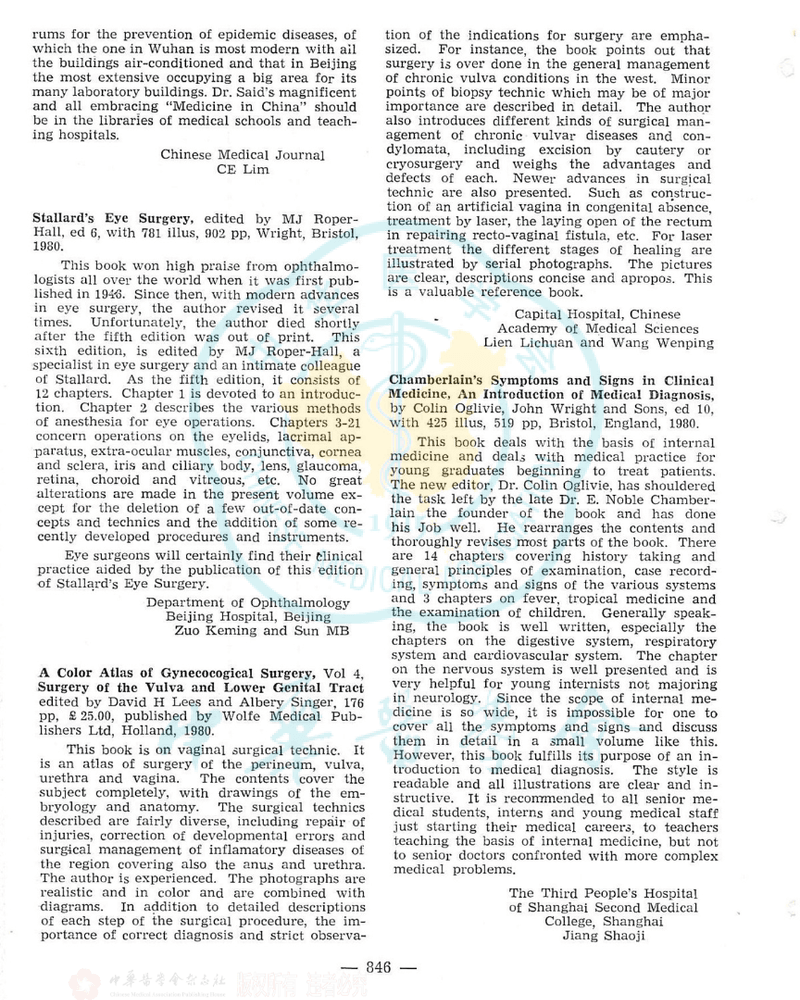
Chamberlain's Symptoms and Signs in Clinical Medicine
Same clinical topic · Internal Medicine
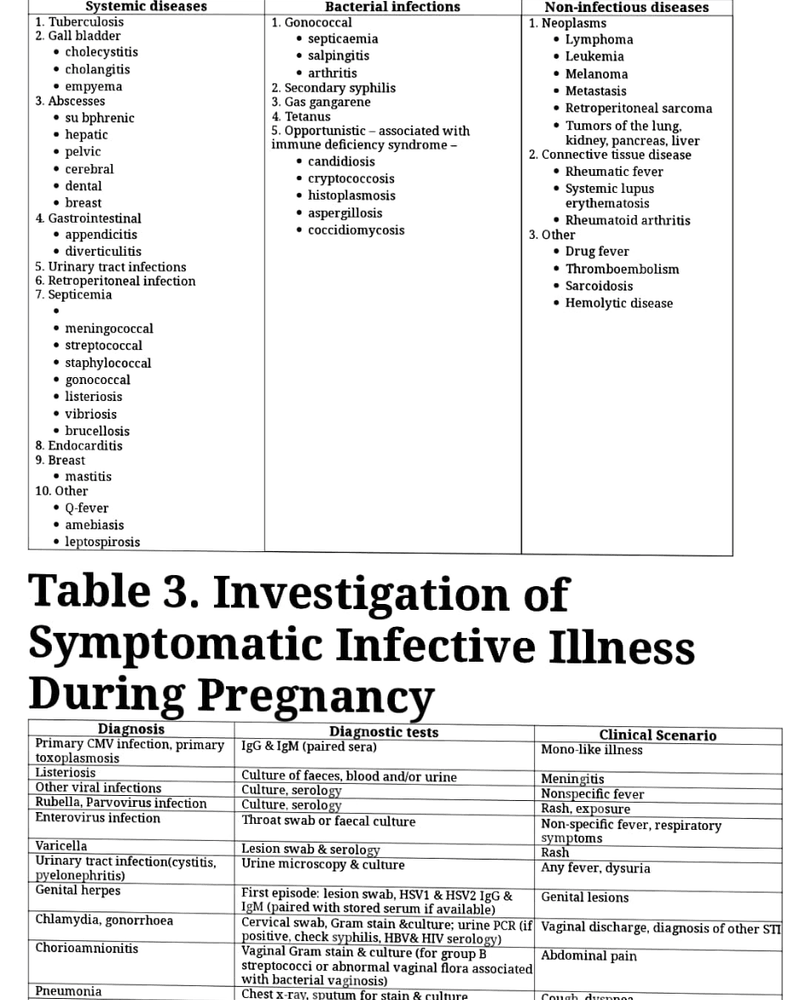
Fever (acute onset)
Same clinical topic · Internal Medicine
2026 Acute Ischemic Stroke Guideline
Same specialty · Internal Medicine