Preparing your experience, please wait…


K

Guidelines & protocols
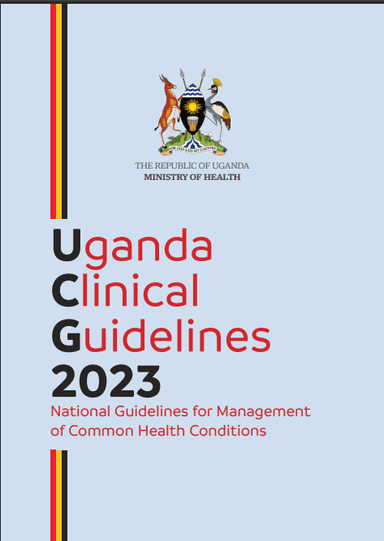
Uganda Clinical Guidelines
Ministry of Health, Uganda
PDF20261158 pages4.3 MB
The guidelines are organized into thematic chapters covering the most prevalent health conditions in Uganda. Each section typically includes diagnostic criteria, non-pharmacological management, and specific medicine protocols (including dosage, frequency, and duration). 1. General Primary Care and Infectious Diseases Malaria: Updated protocols for the management of uncomplicated and severe malaria, including first-line Artemisinin-based Combination Therapies (ACTs) and intravenous treatments. Tuberculosis (TB): Guidelines for screening, intensive phase treatment, and management of Multi-Drug Resistant TB (MDR-TB). HIV/AIDS: Integration of the latest Antiretroviral Therapy (ART) regimens, prevention of mother-to-child transmission (PMTCT), and management of opportunistic infections. Antimicrobial Stewardship: Specific guidance on the appropriate use of antibiotics to combat increasing levels of antimicrobial resistance (AMR). 2. Maternal, Neonatal, and Child Health Obstetrics: Management of labor, postpartum hemorrhage, and hypertensive disorders of pregnancy (e.g., Preeclampsia). Neonatal Care: Protocols for neonatal sepsis, jaundice, and "Kangaroo Mother Care" for low-birth-weight infants. Pediatrics: Integrated Management of Childhood Illness (IMCI) covering pneumonia, diarrhea, and malnutrition. 3. Non-Communicable Diseases (NCDs) Cardiovascular Care: Step-by-step management of Hypertension and Heart Failure. Endocrine Disorders: Protocols for Type 1 and Type 2 Diabetes Mellitus, including glycemic target settings and insulin titration. Oncology: National standards for cancer screening and specialized practice guidelines for radiation therapy (notably for cervical cancer). 4. Mental Health and Neurology Primary Mental Health: Integration of mental health into general outpatient care, covering depression, anxiety, and psychosis. Dementia and Neurology: Diagnostic tools for dementia and management protocols for Epilepsy and Bipolar Disorder. Substance Use: Guidelines for managing alcohol and drug dependence. 5. Surgery and Emergency Care Trauma and Emergencies: Basic and advanced life support protocols and wound management. Surgical Prophylaxis: Guidelines for the use of pre-operative antibiotics to prevent surgical site infections. 6. Palliative Care Protocols for pain management (including the use of morphine) and end-of-life care for patients with chronic, terminal illnesses.
No account needed
Discuss clinical evidence & guidelines
Examine in Ask OslerAsk this resource
Answers from this document onlyMore like this
Resources from the same specialty and type. Curated links will replace these when added.
Clinical Resources
Documents that extend or complement this resource.
Uganda Clinical Guidelines 2023
Same clinical topic · Internal Medicine
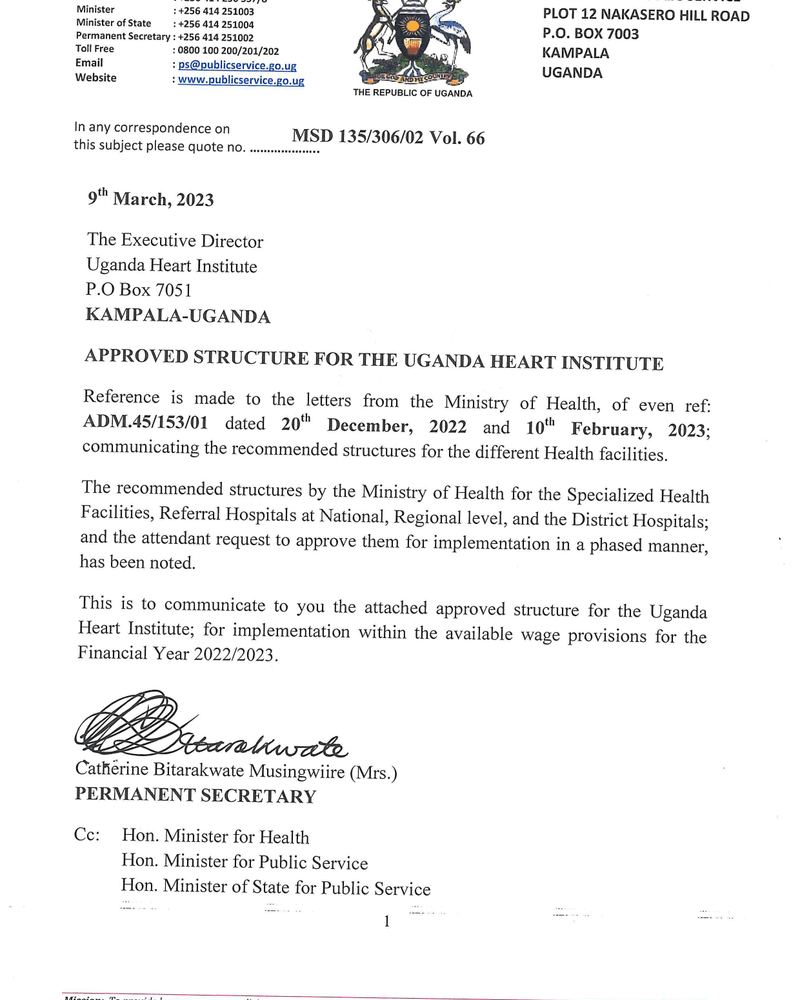
APPROVED-STRUCTURE-FOR-UGANDA-HEART-INSTITUTE-9TH-MARCH-2023
Same clinical topic · Internal Medicine
2026 Uganda Diabetes Management Guidelines
Same clinical topic · Internal Medicine
2026 Acute Ischemic Stroke Guideline
Same clinical topic · Internal Medicine
Oxford Handbook of Emergency medicine
Same clinical topic · Internal Medicine
Internal Medicine
Same clinical topic · Internal Medicine
Uganda National IPC guidelines 2nd Edition
Same clinical topic · Internal Medicine
NATIONAL MEDICAL EQUIPMENT GUIDELINES
Same clinical topic · Internal Medicine
Uganda-Clinical-Guidelines
Same clinical topic · Internal Medicine