Please wait while we open this resource.


K

Clinical reviews
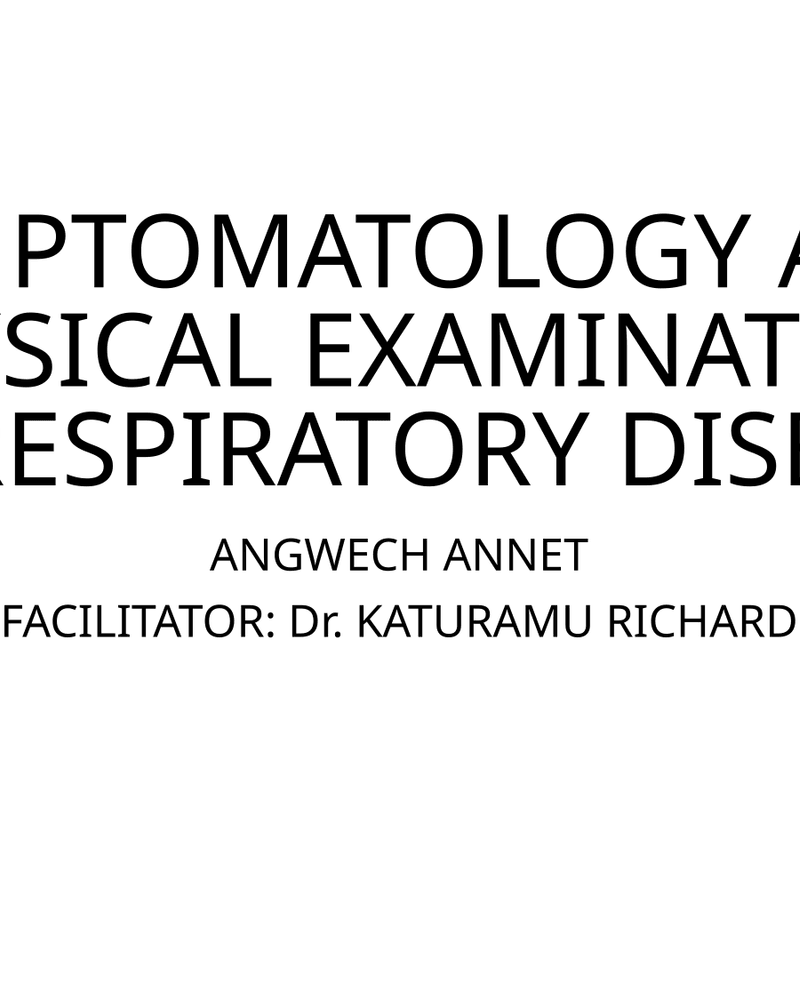
SYMPTOMATOLOGY AND PHYSICAL EXAMINATION OF RESPIRATORY DISEASE
ANGWECH ANNET
PPTX56 pages1.2 MB
The document begins by outlining key symptoms of respiratory illness such as cough, sputum, breathlessness, wheezing, and chest pain, along with relevant medical and social history questions. It then describes the physical examination of a patient, focusing on general assessment and a detailed examination of the chest. The text also delves into pulmonary function tests (PFTs), explaining concepts like residual volume (RV), total lung capacity (TLC), functional residual capacity (FRC), and diffusing capacity of the lung for carbon monoxide (DLCO). Finally, it discusses the role of PFTs in assessing patients for lung resection surgery and lung transplantation, including risk stratification based on predicted postoperative lung function.
Sign in to open
Ask this resource
Answers use this document only.
Your first question is free.
More like this
Resources from the same specialty and type. Curated links will replace these when added.
Clinical Resources
Documents that extend or complement this resource.
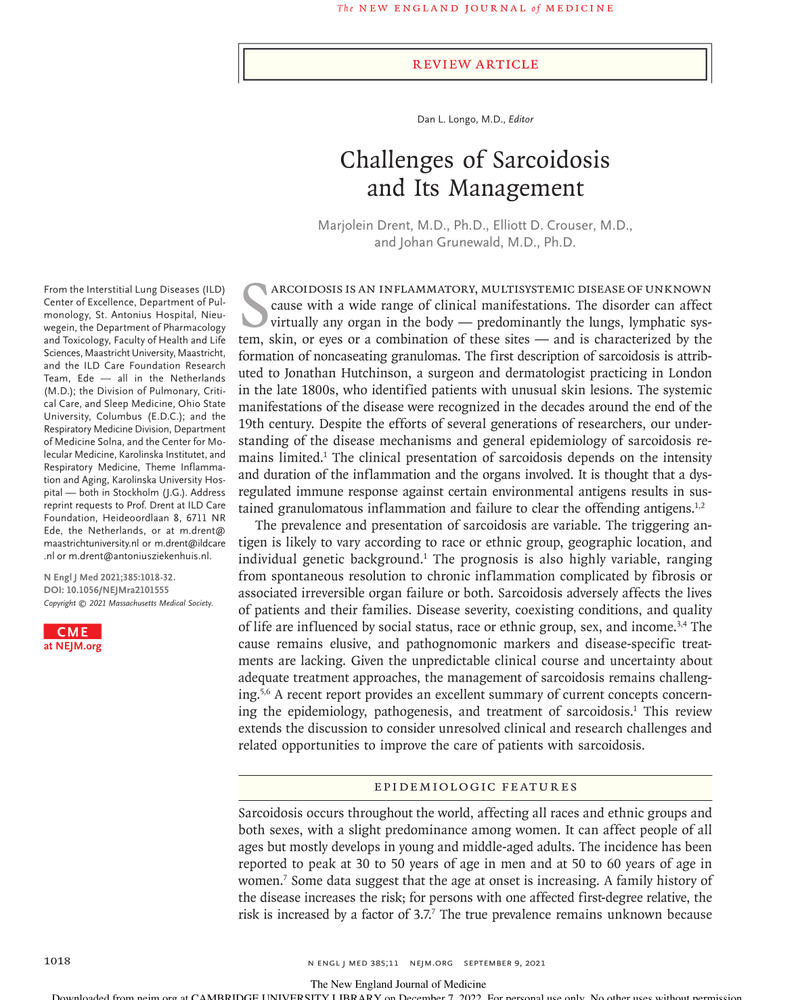
CHALLENGES OF SARCOIDOSIS AND ITS MANAGEMENT
Same clinical topic · Pulmonology
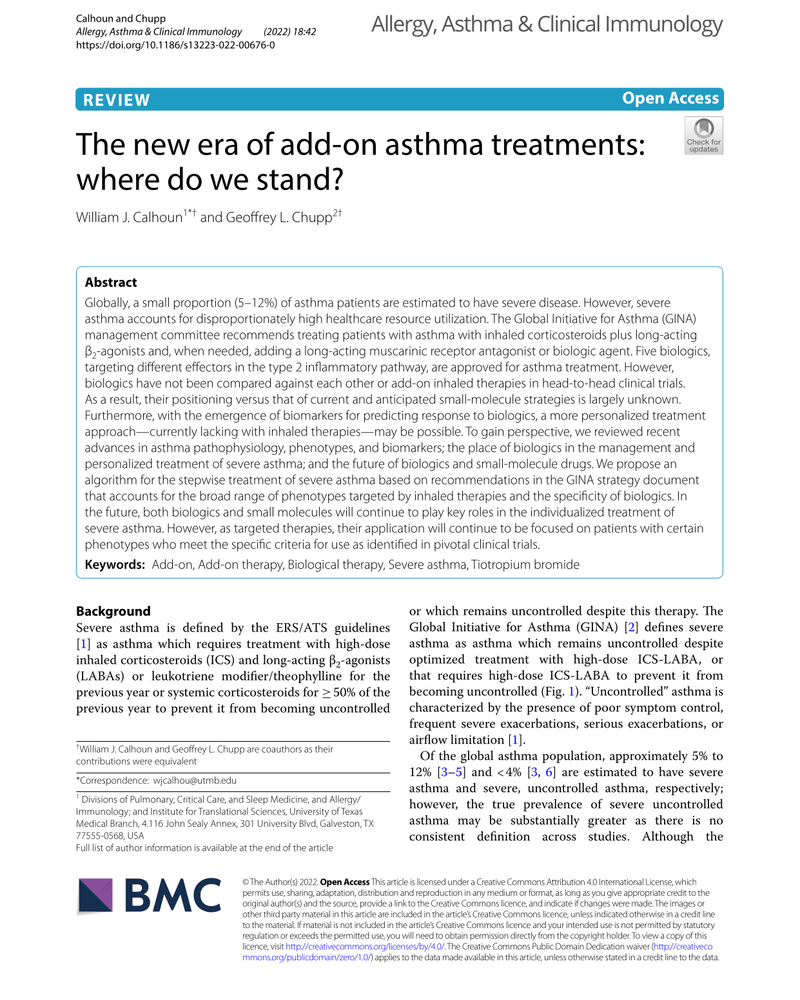
THE NEW ERA OF ADD-ON ASTHMA TREATMENTS: WHERE DO WE STAND?
Same clinical topic · Pulmonology
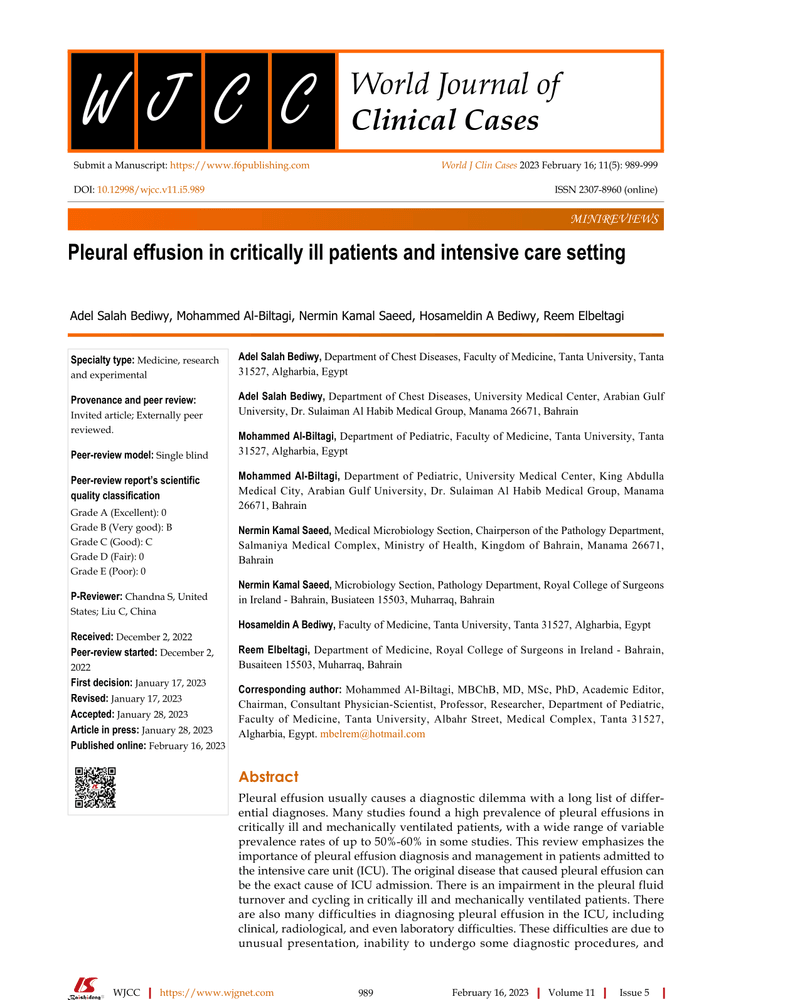
PLEURAL EFFUSION IN CRITICALLY ILL PATIENTS AND INTENSIVE CARE SETTING
Same clinical topic · Pulmonology
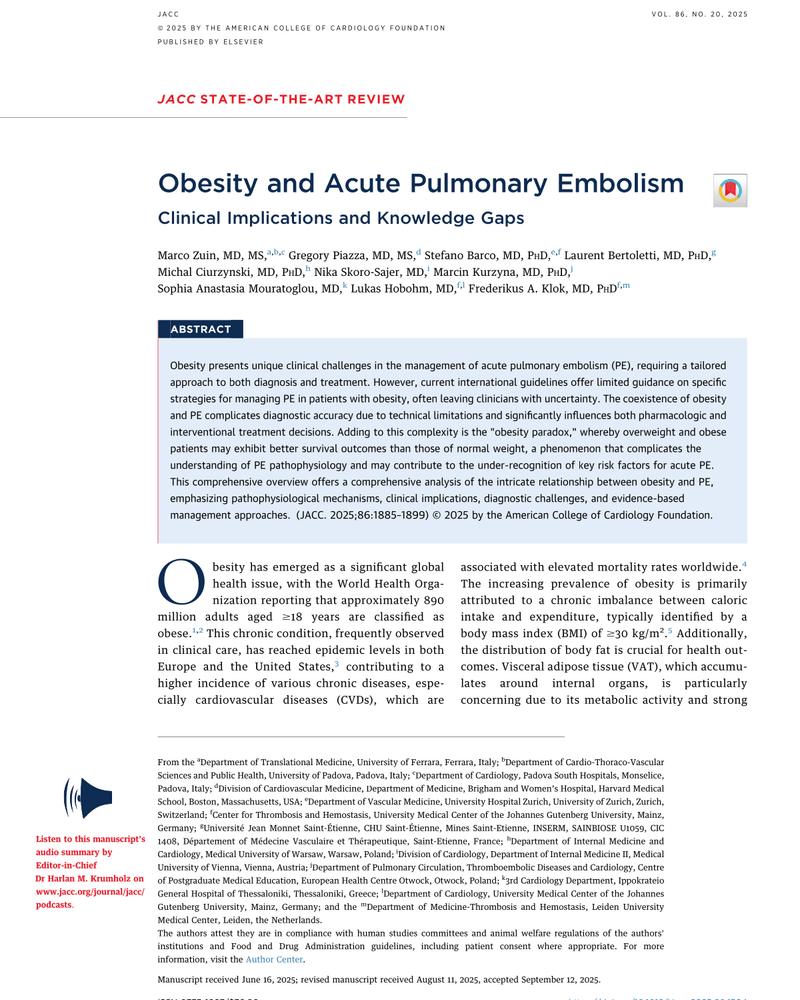
OBESITY AND ACUTE PULMONARY EMBOLISM
Same clinical topic · Pulmonology
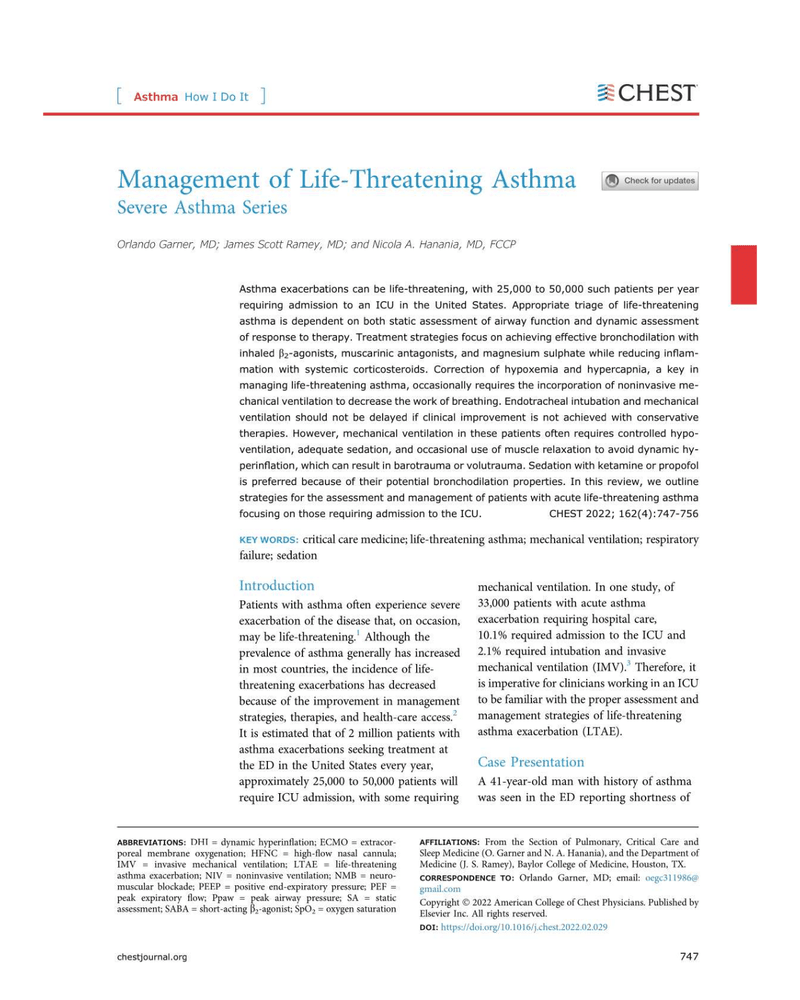
Management of Life-Threatening Asthma
Same clinical topic · Pulmonology
Management of Life-Threatening Asthma
Same clinical topic · Pulmonology
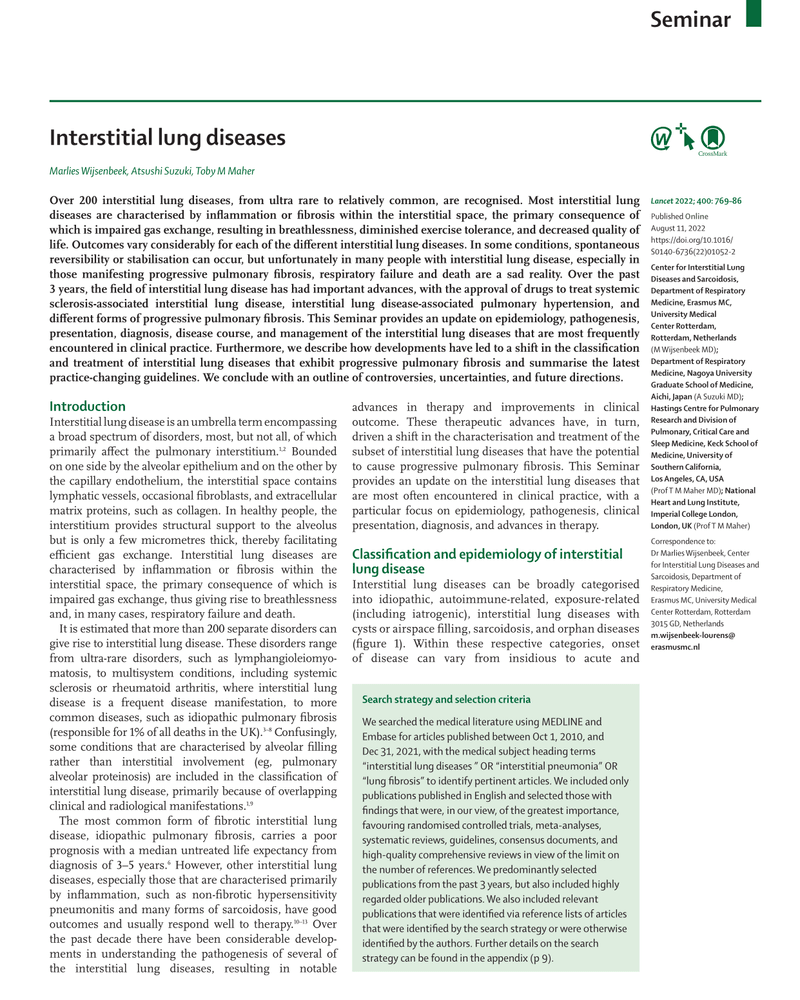
INTERSTITIAL LUNG DISEASES
Same clinical topic · Pulmonology
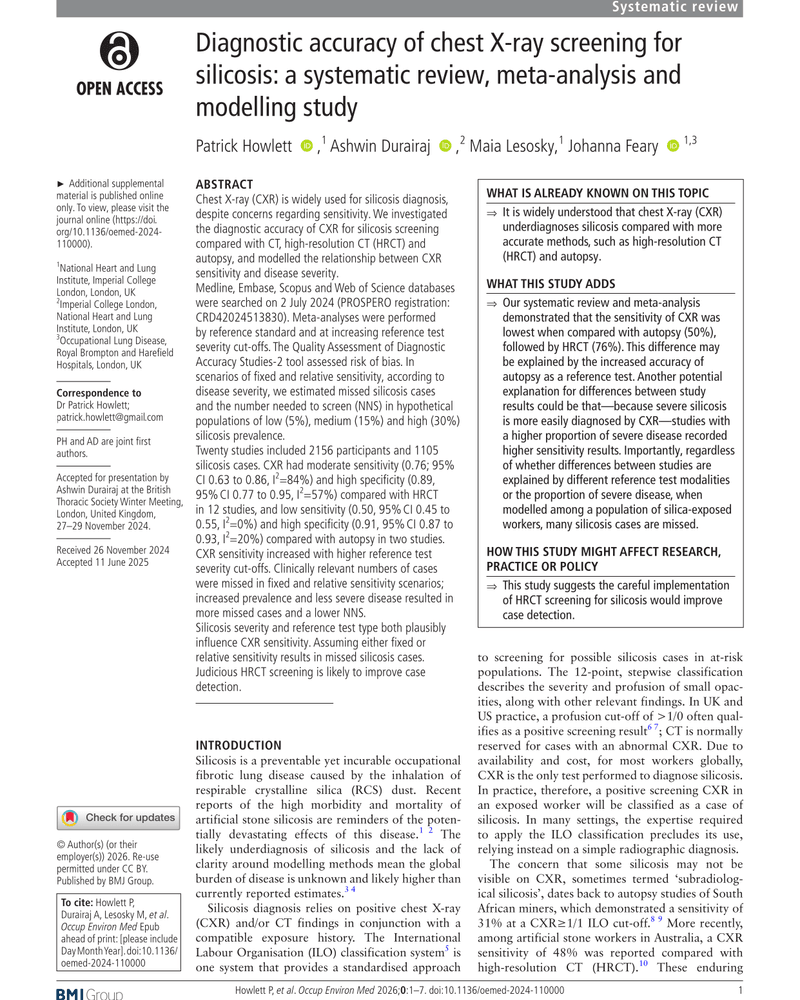
DIAGNOSTIC ACCURACY OF CHEST X-RAY SCREENING FOR SILICOSIS: A SYSTEMATIC REVIEW, META-ANALYSIS AND MODELLING STUDY
Same clinical topic · Pulmonology
Definitions of non-response and response to biological therapy for severe asthma: a systematic review
Same clinical topic · Pulmonology