Please wait while we open this resource.


K


Lecture slides
POST DURAL PUNCTURE HEADACHE 2
KNRH
PPTX30 pages8.2 MB
The document defines PDPH according to the International Headache Society criteria and summarizes its prevalence worldwide and in Uganda. It outlines patient risk factors such as needle size, multiple attempts, gender, BMI, and prior headache history, and describes typical associated symptoms. Management options are detailed, including caffeine, cerebral vasoconstrictors, theophylline, triptans, ACTH, and epidural blood patch techniques with timing and volume considerations. Non‑pharmacologic approaches such as sphenopalatine ganglion block and atropine‑neostigmine are also discussed, along with differential diagnoses and potential complications.
Sign in to open
Ask this resource
Answers use this document only.
Your first question is free.
More like this
Resources from the same specialty and type. Curated links will replace these when added.
Clinical Resources
Documents that extend or complement this resource.

ANAESTHESIA AND CO-MORBID CONDITIONS
Same clinical topic · Anesthesiology

Anesthesia Monitoring
Same clinical topic · Anesthesiology

OBSTETRIC ANESTHESIA
Same clinical topic · Anesthesiology

clinical anaesthesiology
Same specialty · Anesthesiology
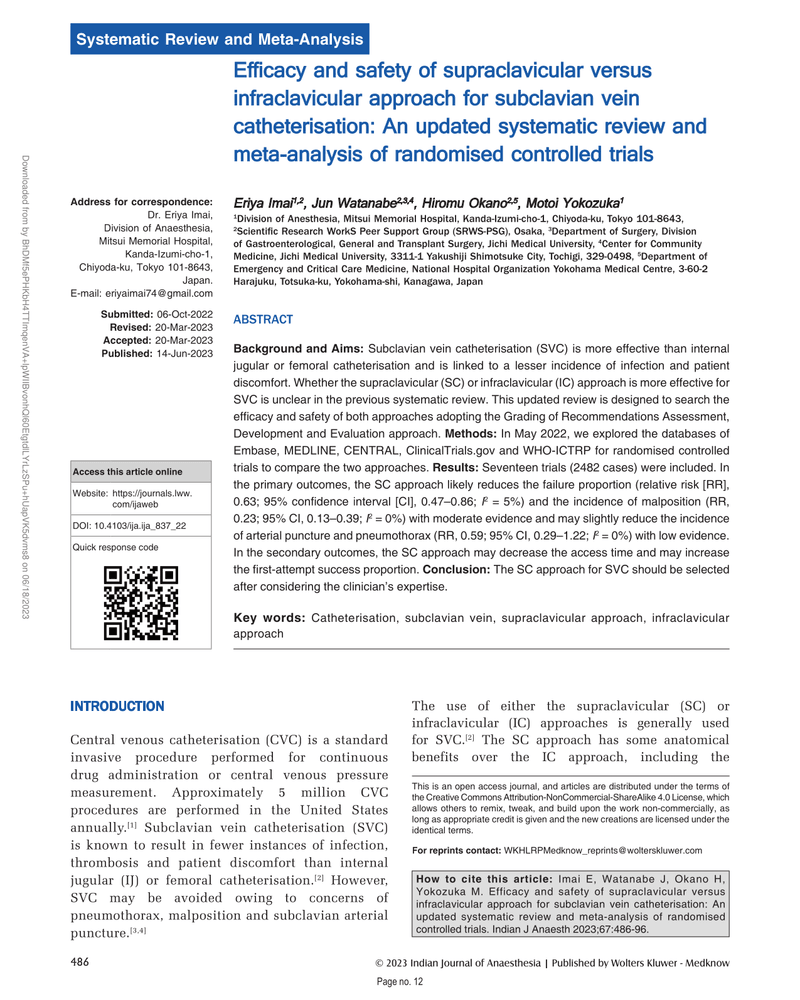
Efficacy and safety of supraclavicular versus infraclavicular approach for subclavian vein catheterisation: An updated systematic review and meta-analysis of randomised controlled trials
Same specialty · Anesthesiology
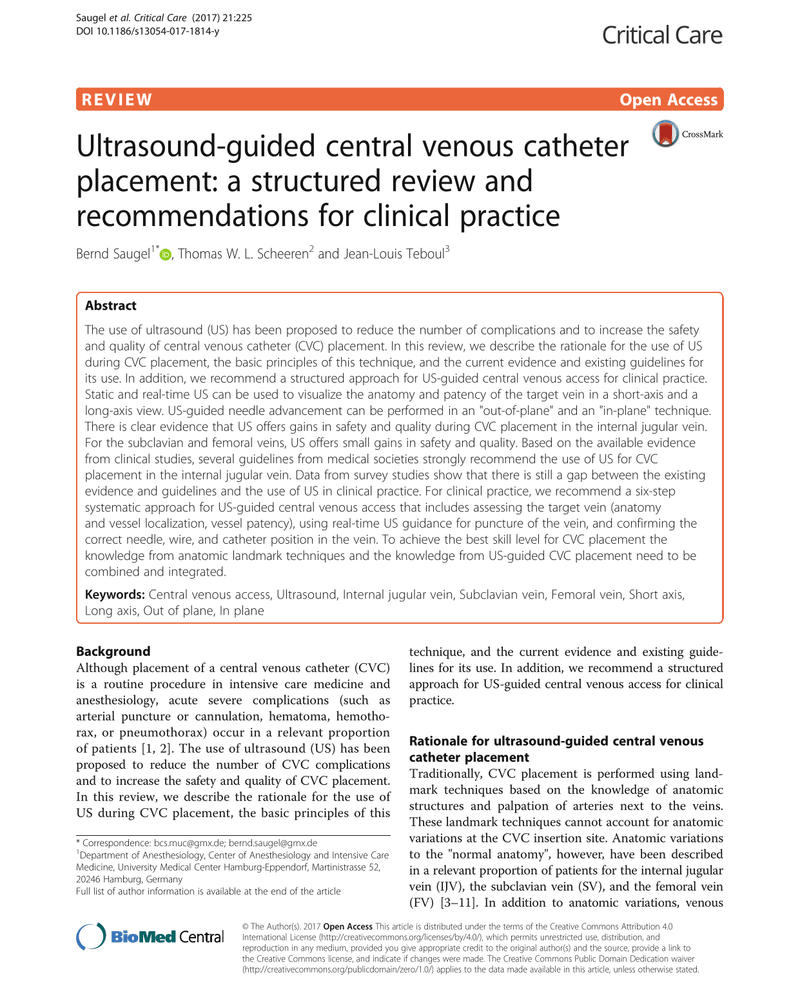
ULTRASOUND-GUIDED CENTRAL VENOUS CATHETER PLACEMENT: A STRUCTURED REVIEW AND RECOMMENDATIONS FOR CLINICAL PRACTICE
Same specialty · Anesthesiology
ACUTE PAIN MANAGEMENT
Same specialty · Anesthesiology

PEDIATRIC ANESTHESIA AND EMERGENCY DRUG GUIDE SECOND EDITION
Same specialty · Anesthesiology
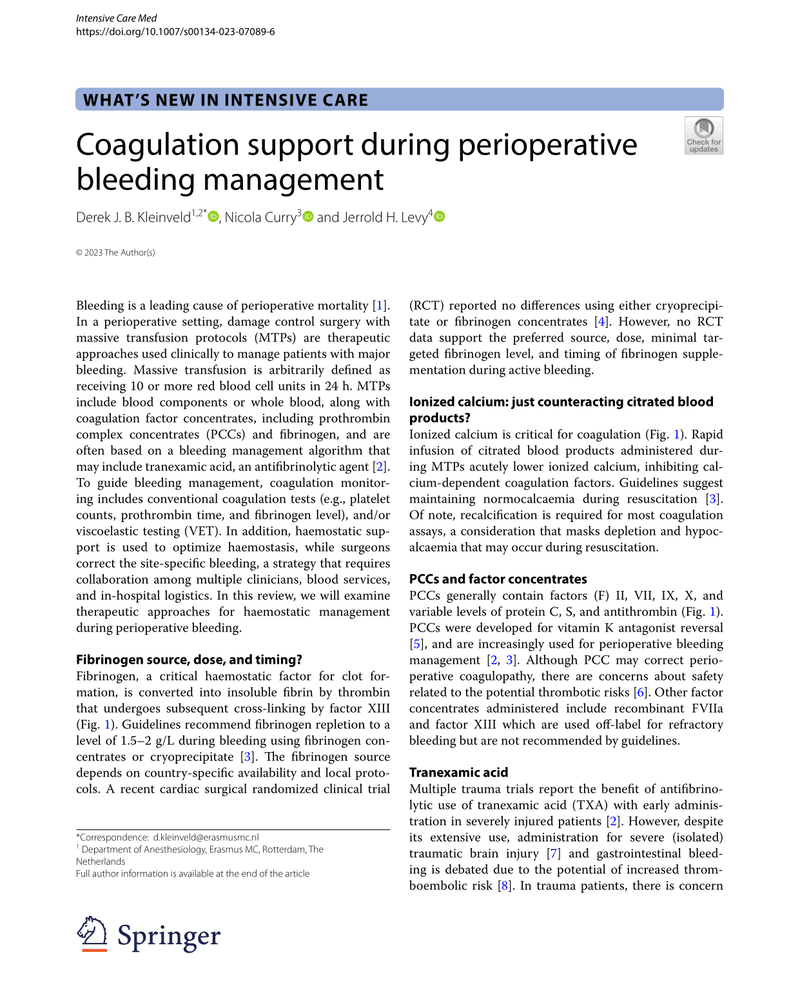
COAGULATION SUPPORT DURING PERIOPERATIVE BLEEDING MANAGEMENT
Same specialty · Anesthesiology