Please wait while we open this resource.


K


Lecture slides
Introduction to MEPHR
Bruce J Kirenga
PPTX36 pages244 KB
The document introduces ethics as a philosophical discipline distinguishing right from wrong and outlines its distinction from religion, law, and cultural norms. It reviews the four core principles of medical ethics—autonomy, beneficence, non‑maleficence, and justice—and links them to international guidelines such as the World Medical Association Code and the Declaration of Helsinki. Human rights are examined through their universal characteristics and categories, emphasizing their relevance to patient care and provider responsibilities. The material also explores professional roles, attributes, and models of professionalism within the medical field.
Sign in to open
Ask this resource
Answers use this document only.
Your first question is free.
More like this
Resources from the same specialty and type. Curated links will replace these when added.
Clinical Resources
Documents that extend or complement this resource.

MEDICAL RECORDS
Same clinical topic · Medical Ethics

Principles of Bioethics
Same clinical topic · Medical Ethics

Health Ethics in Research: CIOMS/WHO Guidelines
Same clinical topic · Medical Ethics

Confidentiality, Privacy and Disclosure
Same clinical topic · Medical Ethics
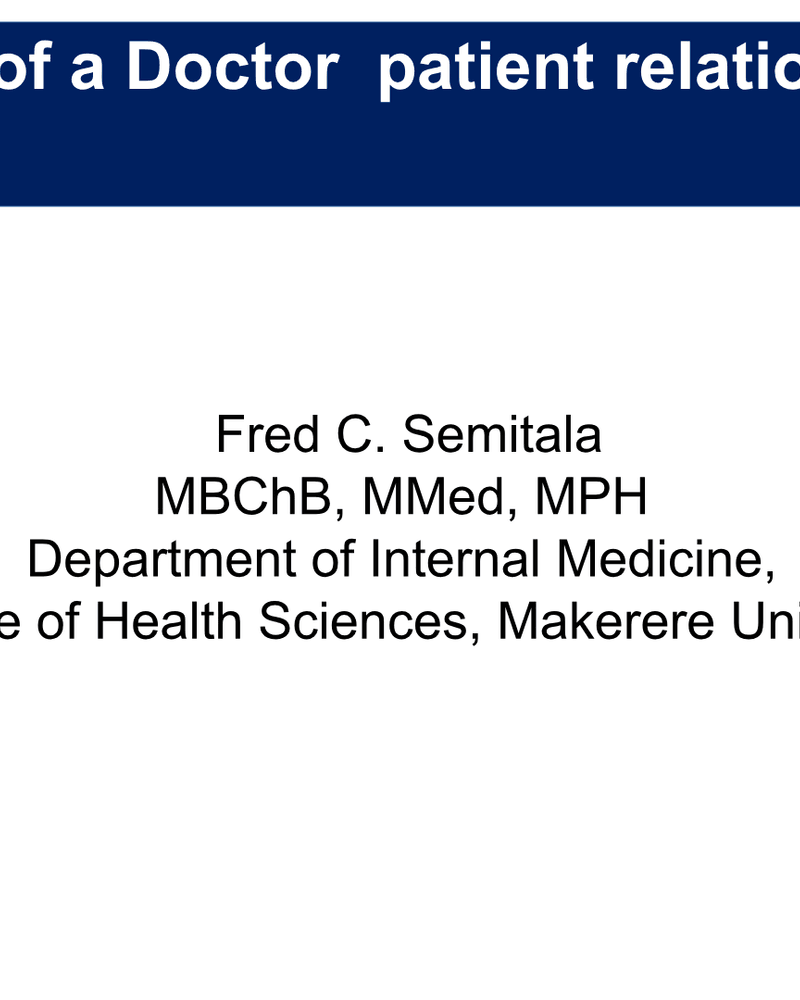
Doctor‑Patient Relationship Ethics
Same clinical topic · Medical Ethics

CURRENT RECOMMENDATIONS FOR BASIC CURRICULAR GOALS IN MEDICAL ETHICS
Same specialty · Medical Ethics
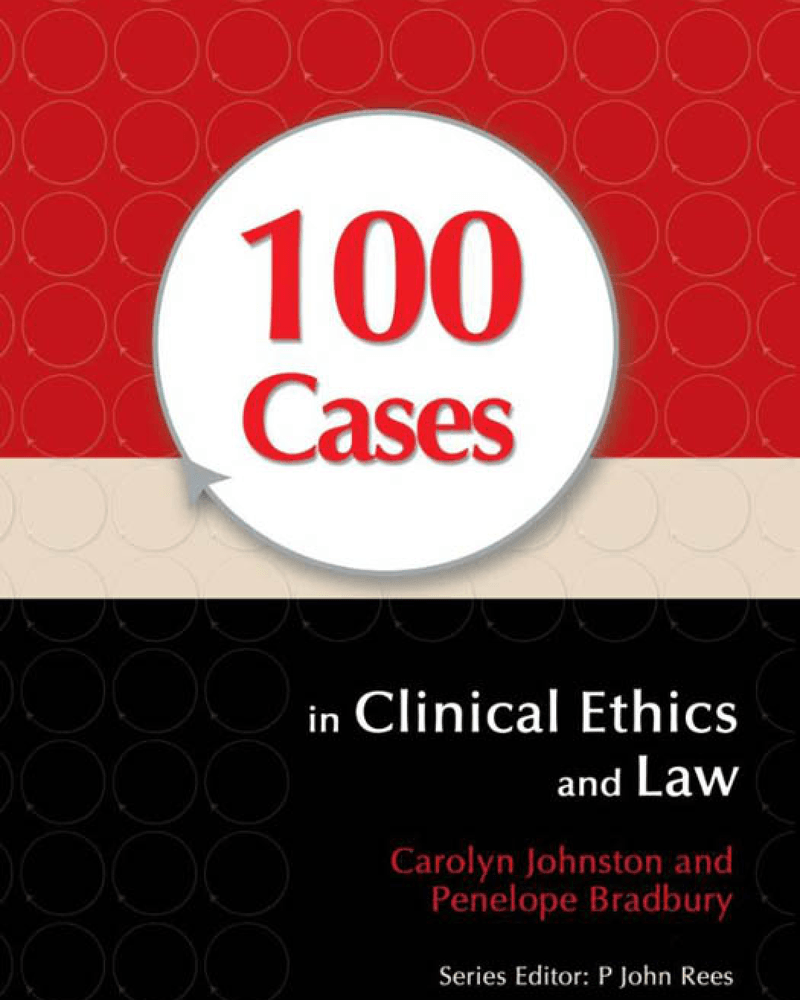
100 Cases in Clinical Ethics and Law
Same specialty · Medical Ethics

CODE OF CONDUCT FOR HEALTH WORKERS
Same specialty · Medical Ethics
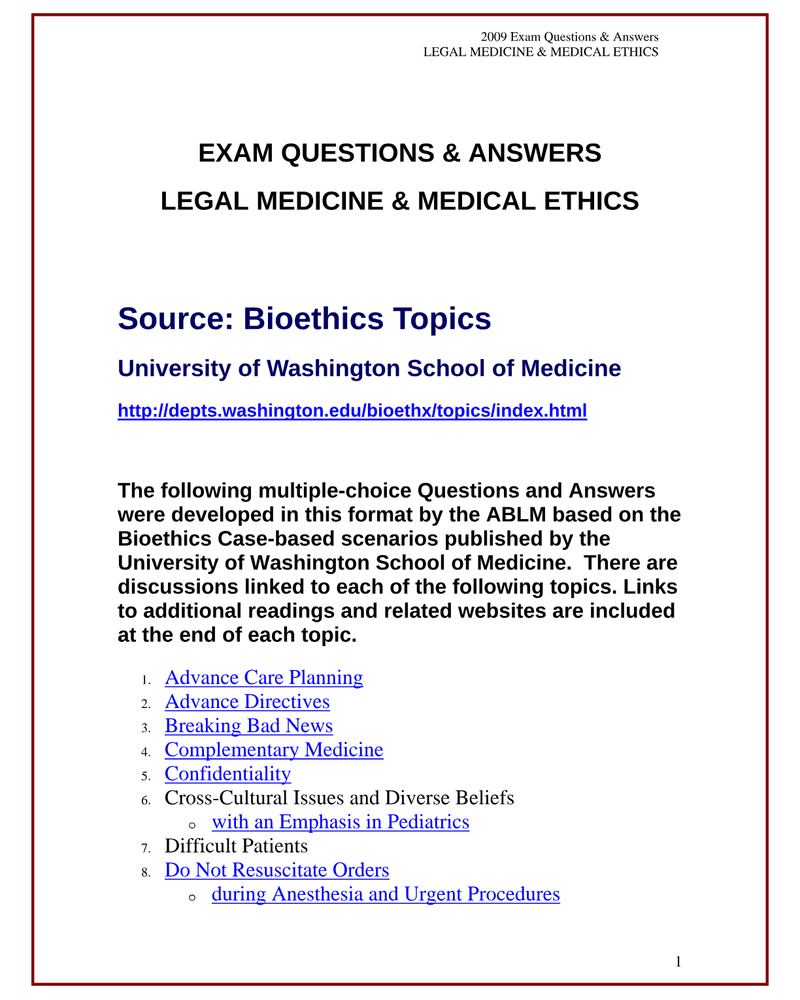
Bioethics Exam Questions and Answers
Same specialty · Medical Ethics