Please wait while we open this resource.


K

Clinical notes
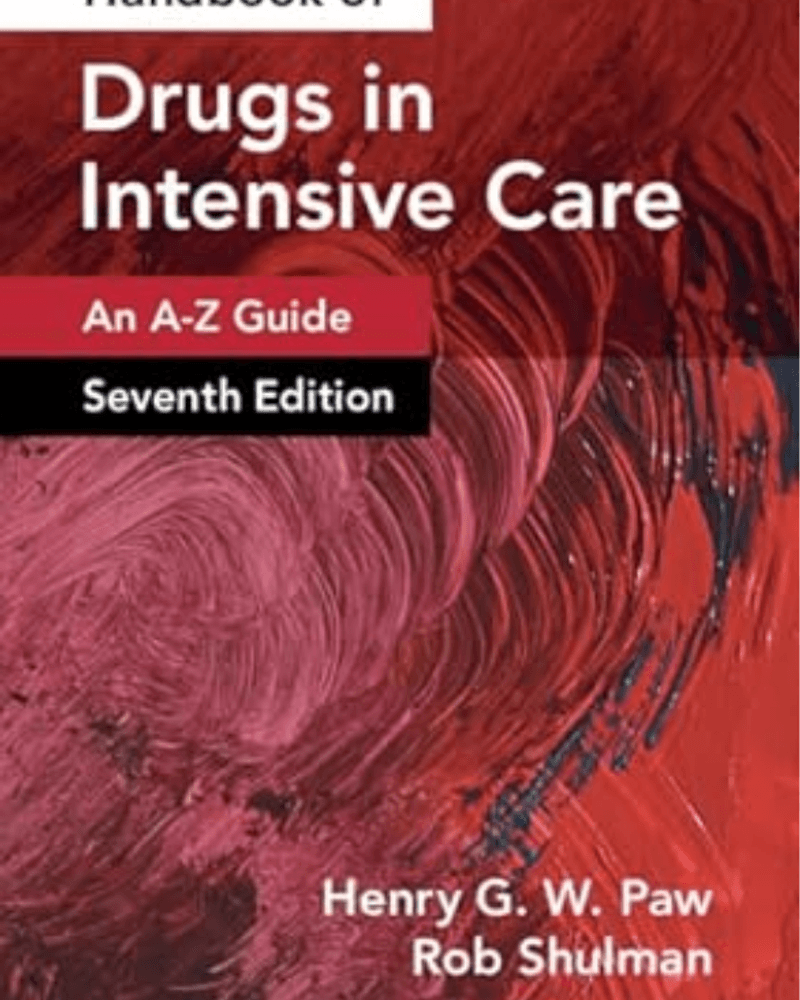
Handbook of Drugs in Intensive Care 7th Edition 2025
York and Scarborough Teaching Hospital; University College London Hospitals NHS Foundation Trust
PDF2025699 pages6.3 MB
The seventh edition of this handbook provides concise, evidence‑based information on a wide range of medications commonly encountered in critical care, including antibiotics, vasoactive agents, sedatives, and analgesics. It includes practical dosing tables, therapeutic drug monitoring guidance (e.g., vancomycin levels), and warnings about adverse effects such as nephrotoxicity and red‑man syndrome. The text also discusses the pharmacology of agents like vasopressin in septic shock and offers an extensive drug index with page references. Designed for clinicians working in intensive care units, it serves as a quick‑reference resource for safe medication management.
Sign in to open
Ask this resource
Answers use this document only.
Your first question is free.
More like this
Resources from the same specialty and type. Curated links will replace these when added.
Clinical Resources
Documents that extend or complement this resource.
Intensive Care Medicine Mcqs Multiple
Same clinical topic · Intensive Care Medicine
The Very Old Critically Ill Patients
Same clinical topic · Intensive Care Medicine
Intensive Care Fundamentals: Practically Oriented Essential Knowledge for Newcomers to ICUs
Same clinical topic · Intensive Care Medicine
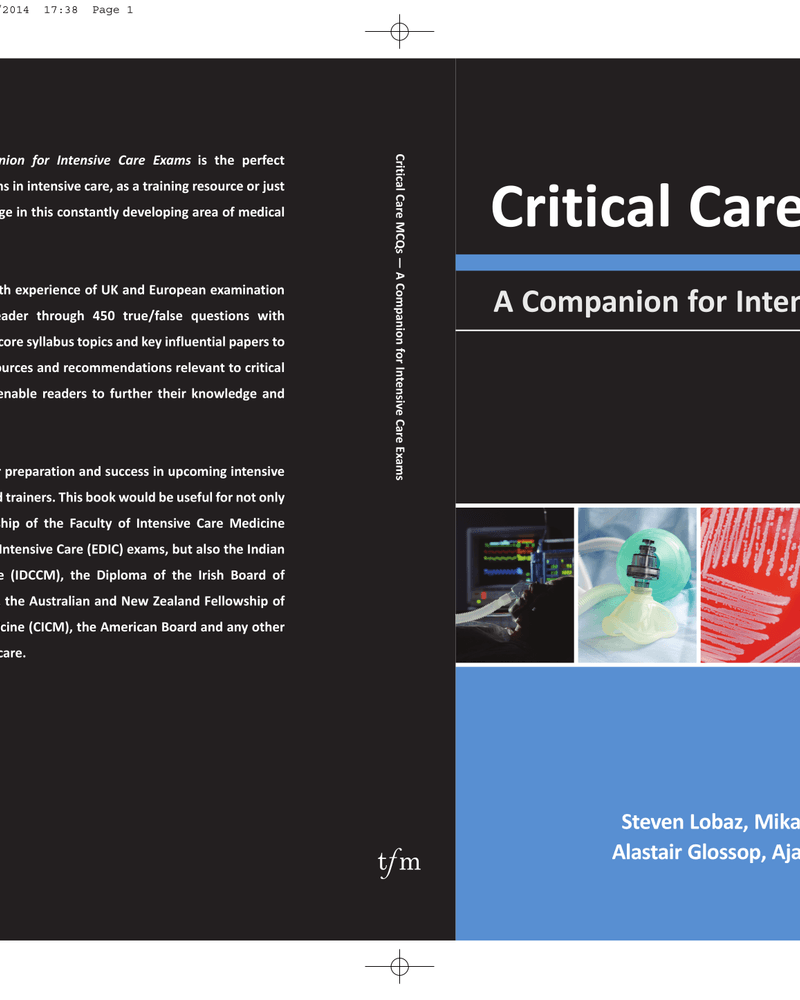
Critical Care MCQs A Companion for Intensive Care Exams
Same clinical topic · Intensive Care Medicine
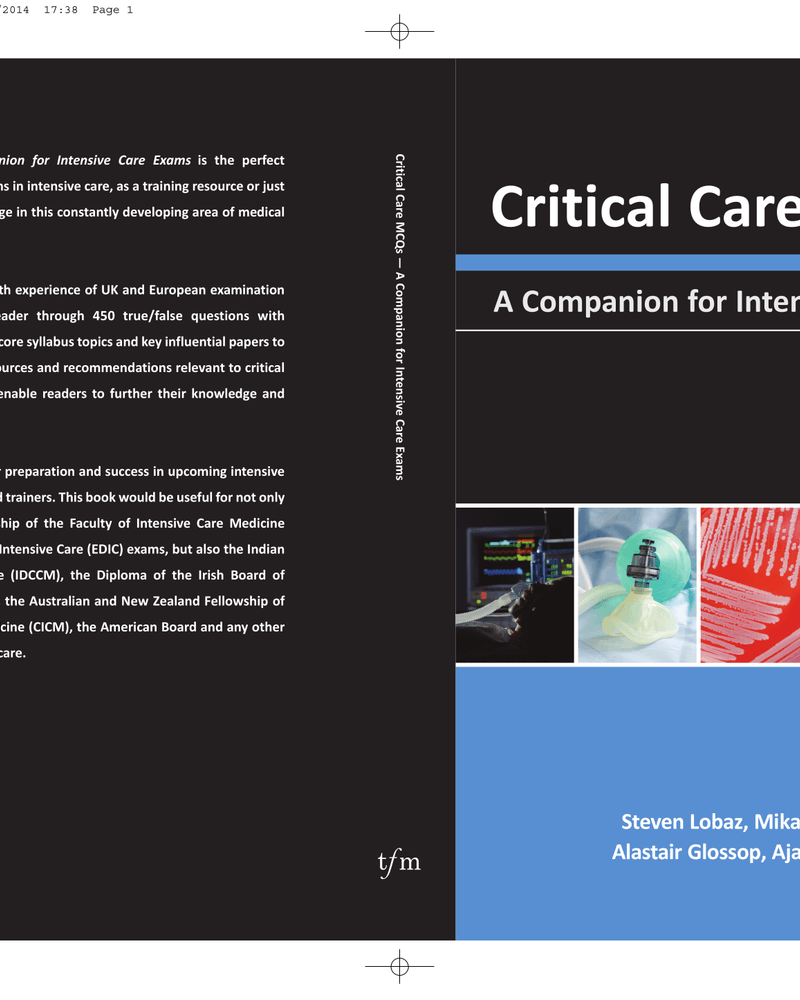
Critical Care MCQs
Same clinical topic · Intensive Care Medicine
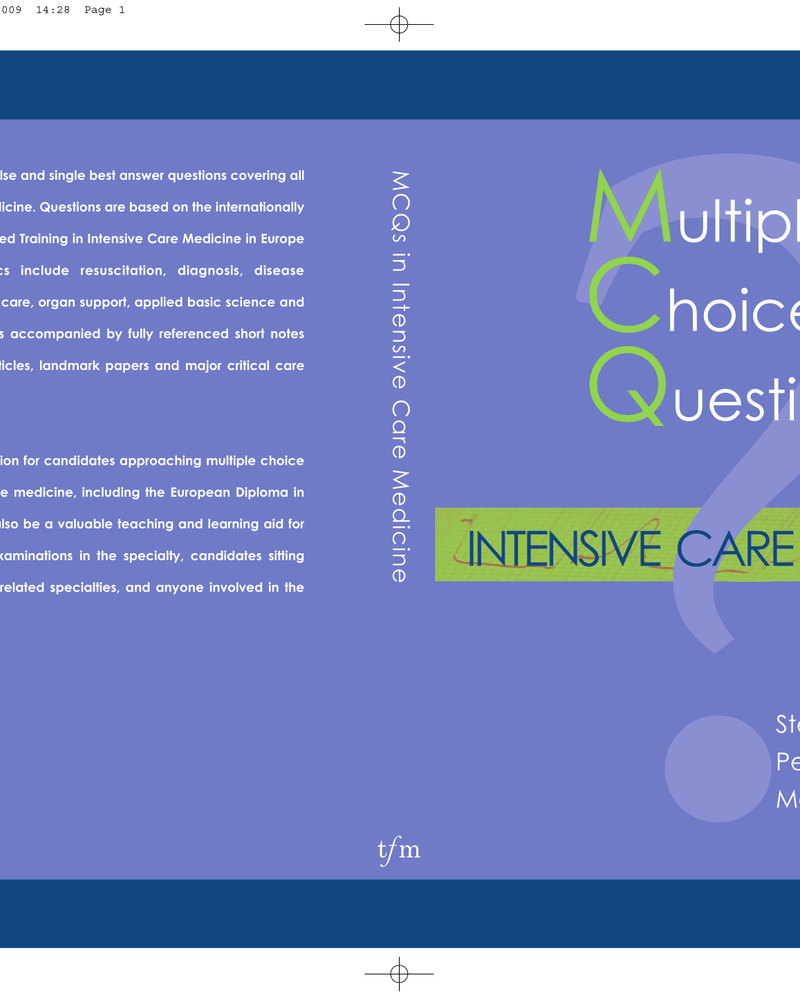
MCQS IN INTENSIVE CARE MEDICINE
Same clinical topic · Intensive Care Medicine
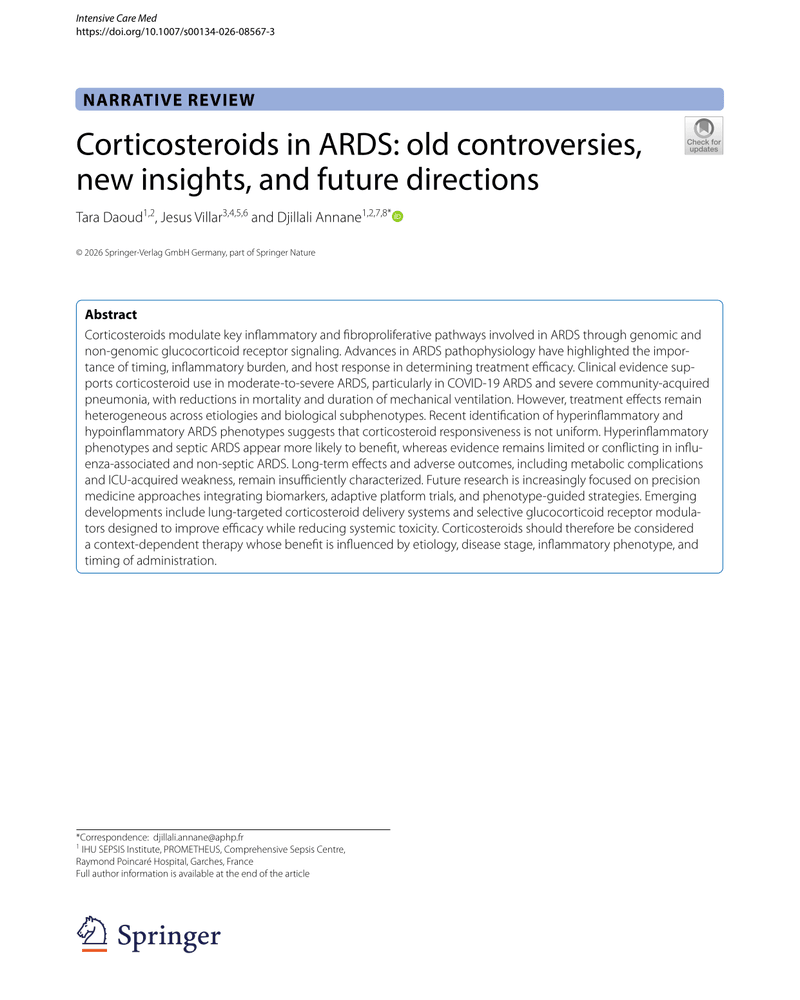
CORTICOSTEROIDS IN ARDS: OLD CONTROVERSIES, NEW INSIGHTS, AND FUTURE DIRECTIONS
Same specialty · Intensive Care Medicine
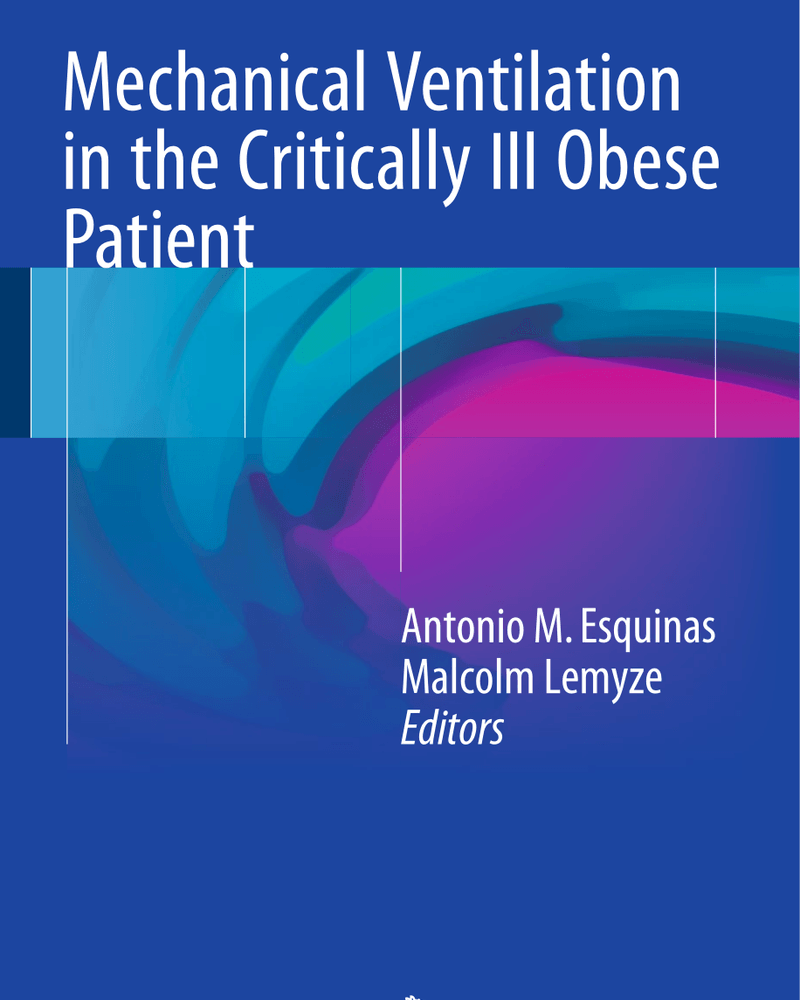
MECHANICAL VENTILATION IN THE CRITICALLY ILL OBESE PATIENT
Same specialty · Intensive Care Medicine
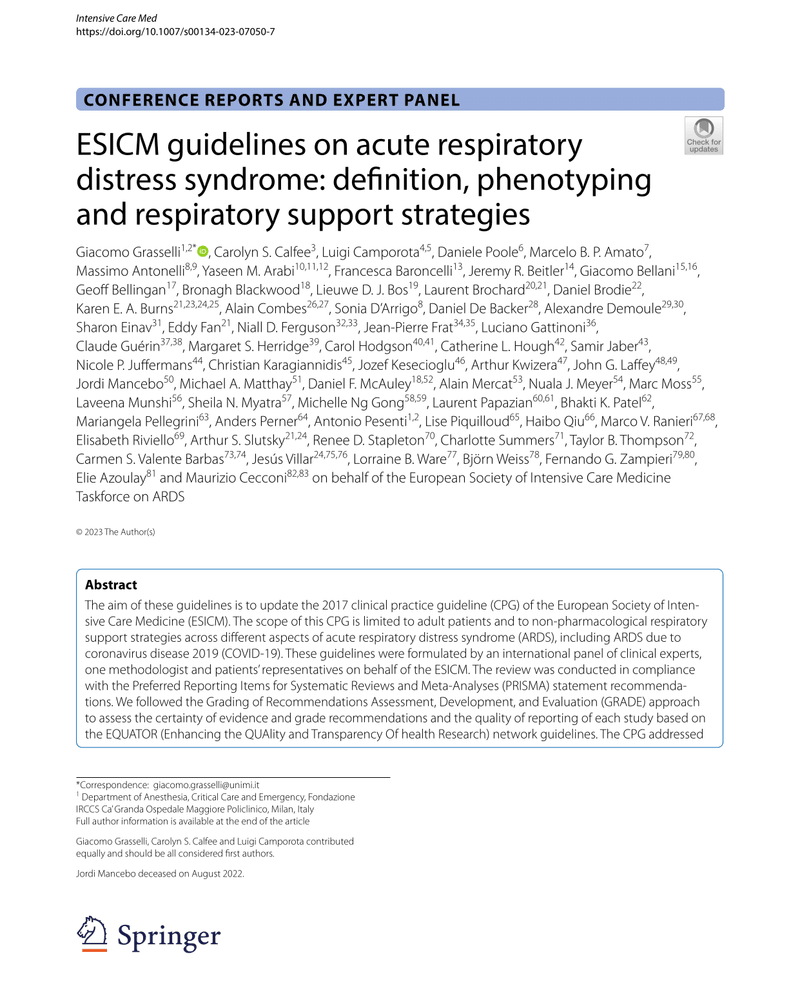
ESICM GUIDELINES ON ACUTE RESPIRATORY DISTRESS SYNDROME: DEFINITION, PHENOTYPING AND RESPIRATORY SUPPORT STRATEGIES
Same specialty · Intensive Care Medicine