Please wait while we open this resource.


K

Guidelines & protocols
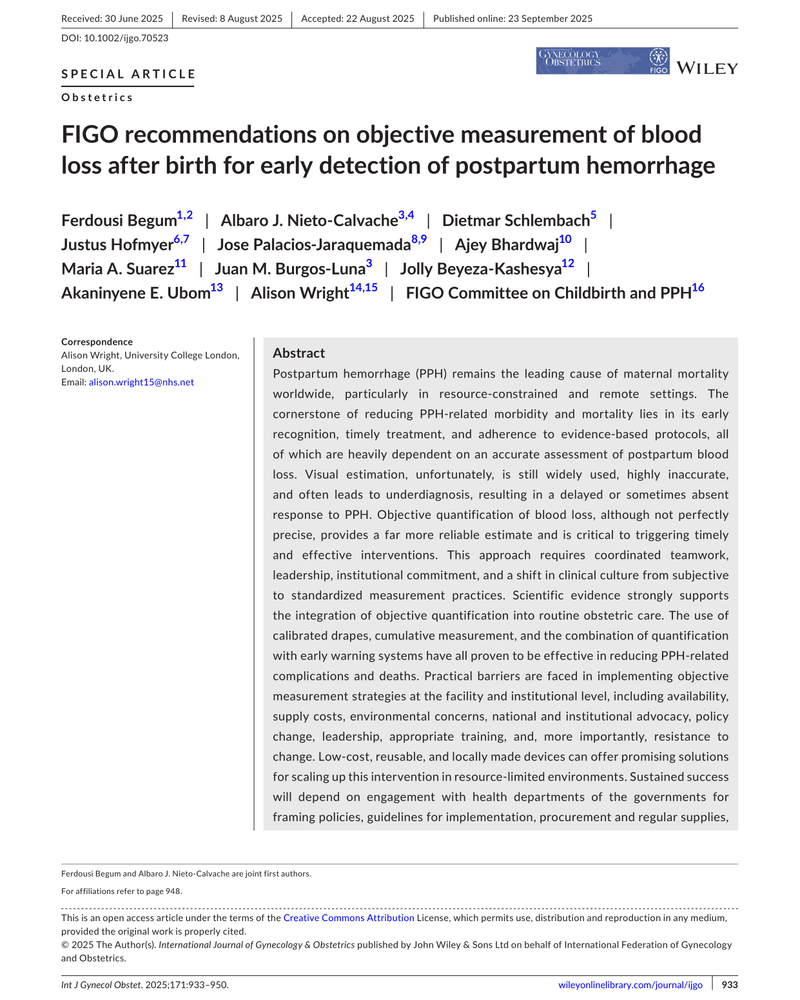
FIGO RECOMMENDATIONS ON OBJECTIVE MEASUREMENT OF BLOOD LOSS AFTER BIRTH FOR EARLY DETECTION OF POSTPARTUM HEMORRHAGE
University College London
PDF202518 pages5.4 MB
Postpartum hemorrhage (PPH) is a leading cause of maternal mortality, and its effective management relies on early recognition and timely intervention. The document advocates for the transition from visual estimation of blood loss to objective quantification methods, which are shown to be more reliable. It discusses the need for institutional commitment and a cultural shift in clinical practices to integrate these recommendations into routine obstetric care. The use of calibrated drapes and systematic measurement strategies is highlighted as essential for improving maternal outcomes.
No account needed
Ask this resource
Answers use this document only.
More like this
Resources from the same specialty and type. Curated links will replace these when added.
Clinical Resources
Documents that extend or complement this resource.
Consolidated guidelines for the prevention, diagnosis and treatment of postpartum haemorrhage
Same clinical topic · Obstetrics
WHO-FIGO-ICM Postpartum Haemorrhage Guidelines
Same clinical topic · Obstetrics
GUIDELINES FOR POSTOPERATIVE CARE IN CESAREAN DELIVERY: ENHANCED RECOVERY AFTER SURGERY (ERAS) SOCIETY RECOMMENDATIONS (PART 3)
Same clinical topic · Obstetrics
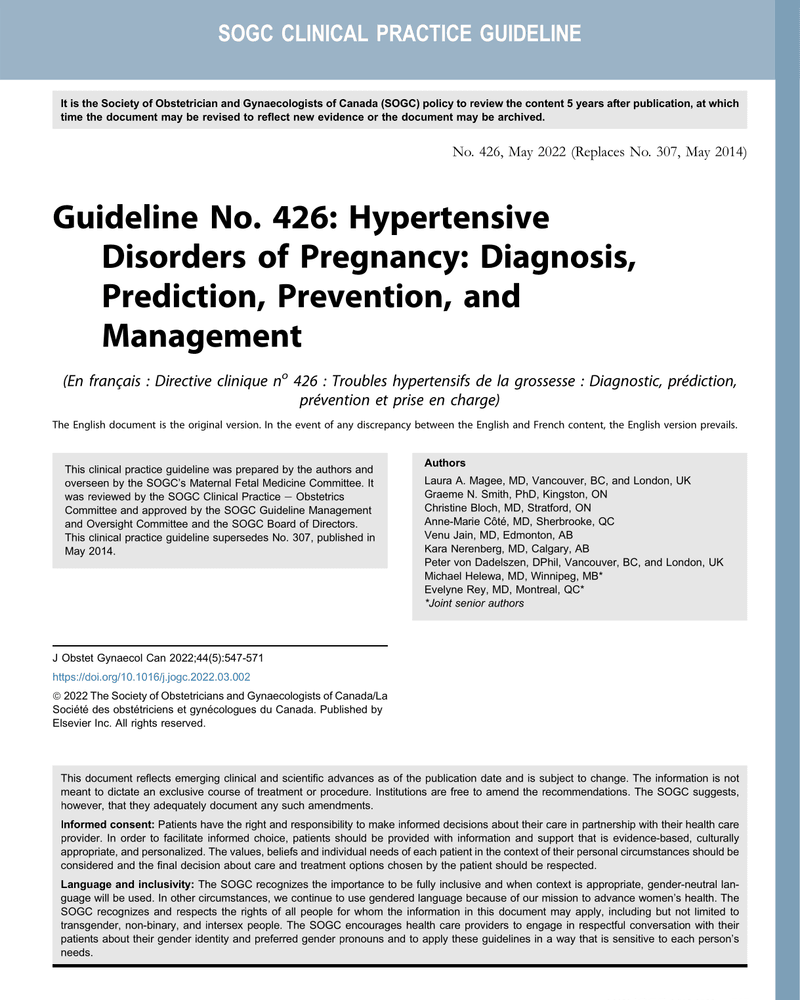
GUIDELINE NO. 426: HYPERTENSIVE DISORDERS OF PREGNANCY: DIAGNOSIS, PREDICTION, PREVENTION, AND MANAGEMENT
Same clinical topic · Obstetrics
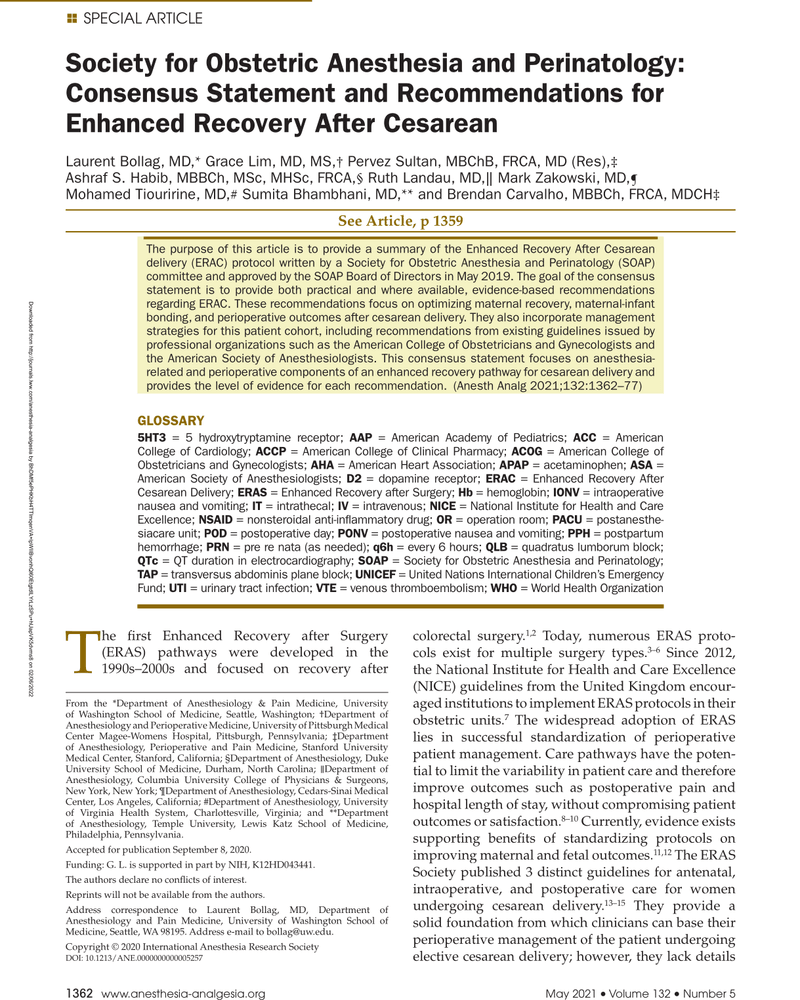
SOCIETY FOR OBSTETRIC ANESTHESIA AND PERINATOLOGY: CONSENSUS STATEMENT AND RECOMMENDATIONS FOR ENHANCED RECOVERY AFTER CESAREAN
Same clinical topic · Obstetrics
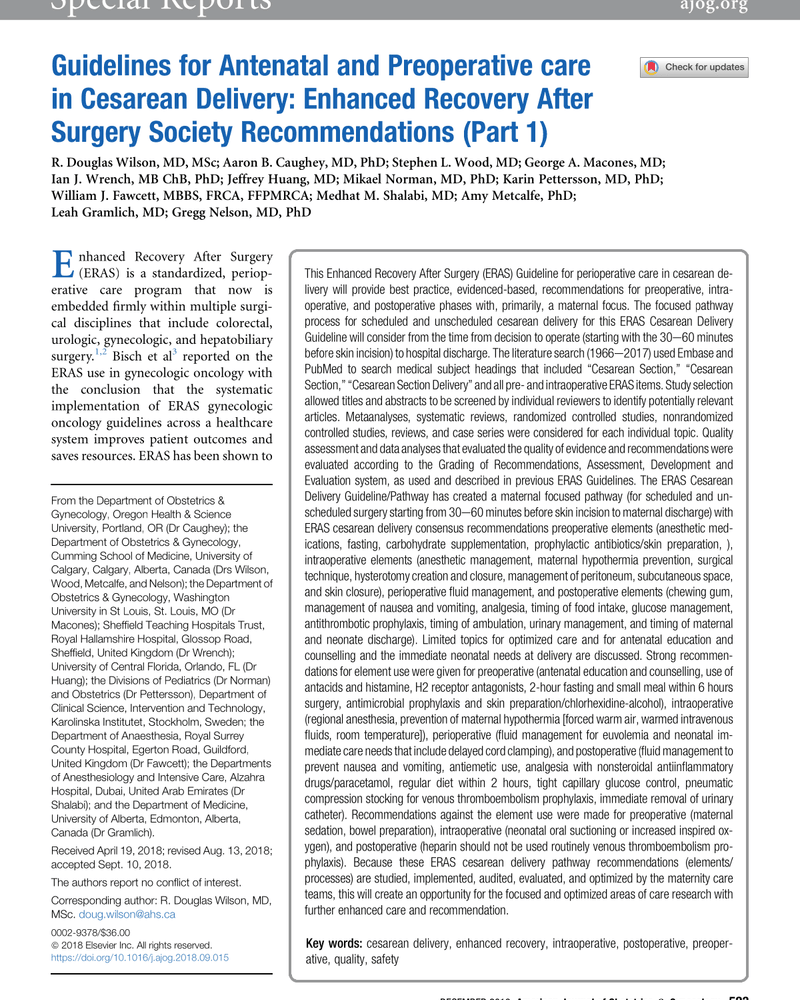
GUIDELINES FOR ANTENATAL AND PREOPERATIVE CARE IN CESAREAN DELIVERY: ENHANCED RECOVERY AFTER SURGERY SOCIETY RECOMMENDATIONS (PART 1)
Same clinical topic · Obstetrics
MANAGEMENT OF SICKLE CELL DISEASE IN PREGNANCY
Same clinical topic · Obstetrics
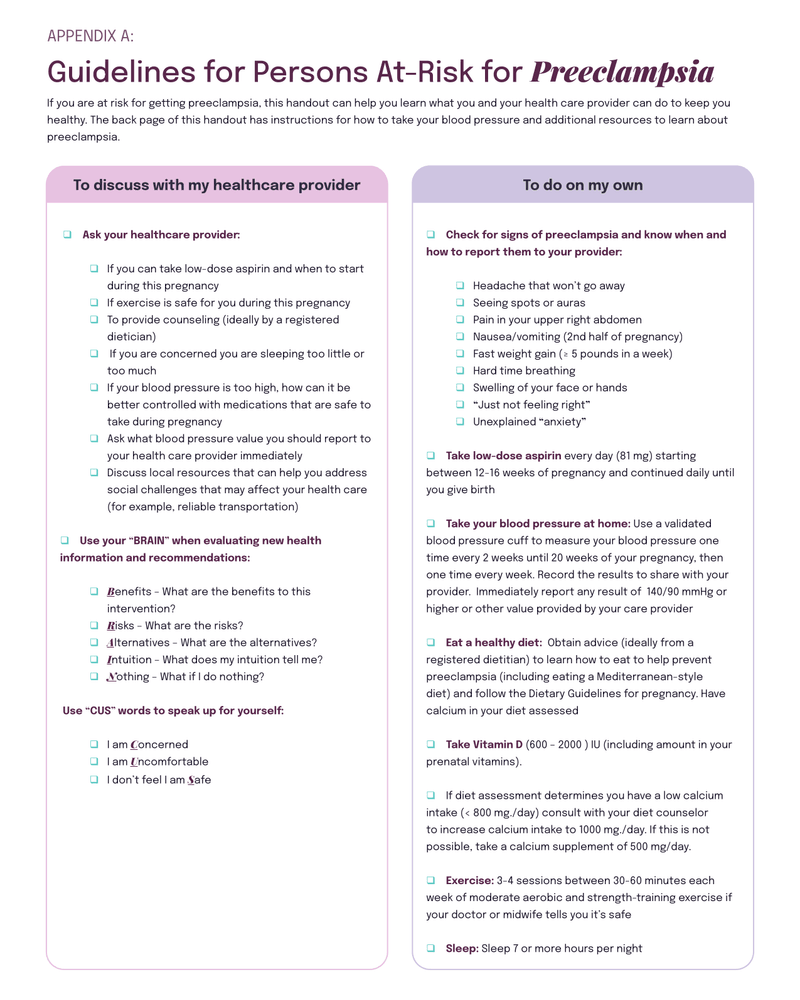
GUIDELINES FOR PERSONS AT-RISK FOR PREECLAMPSIA
Same clinical topic · Obstetrics
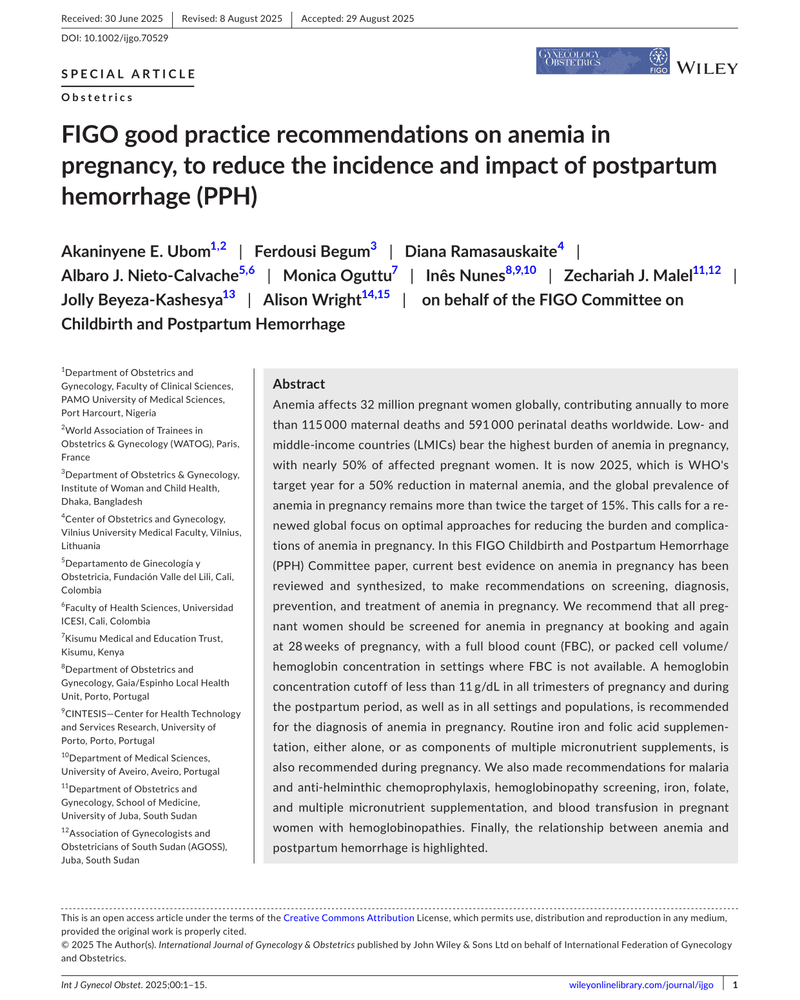
FIGO GOOD PRACTICE RECOMMENDATIONS ON ANEMIA IN PREGNANCY
Same clinical topic · Obstetrics