Please wait while we open this resource.


K


Lecture slides
Interventional Study Designs: Clinical Trials vs. Public Health Interventions
Prof Olupot Olupot
PPTX85 pages544 KB
The document explains the fundamental differences between interventional and observational studies, emphasizing the investigator's role in assigning interventions. It details various types of interventional study designs, including parallel group designs, and discusses their strengths and limitations. Key concepts such as randomization, allocation concealment, blinding, and intention-to-treat analysis are highlighted as essential for minimizing bias in clinical trials.
Sign in to open
Ask this resource
Answers use this document only.
Your first question is free.
More like this
Resources from the same specialty and type. Curated links will replace these when added.
Clinical Resources
Documents that extend or complement this resource.

Introduction to Systematic Reviews and Meta-Analysis
Same clinical topic · Epidemiology

Sample size estimation, power & hypothesis testing 2025 (2)
Same clinical topic · Epidemiology

t-Tests and z-Tests
Same clinical topic · Epidemiology
Bias, Confounding, and Effect Modification in Research
Same clinical topic · Epidemiology
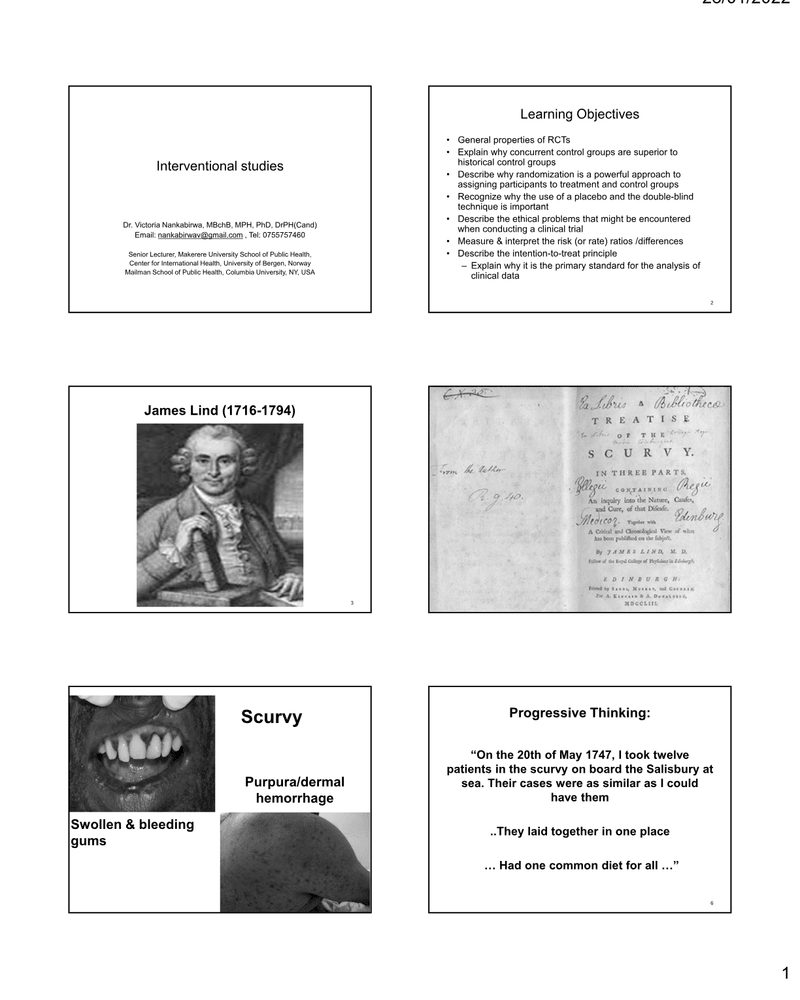
Randomized Controlled Trials: Principles and Design
Same clinical topic · Epidemiology

Measures of Association in Epidemiology
Same clinical topic · Epidemiology

Observational Study Designs: Types, Strengths, and Limitations
Same clinical topic · Epidemiology

Observational Study Designs in Epidemiology
Same clinical topic · Epidemiology

Outbreaks and Outbreak Investigation
Same clinical topic · Epidemiology