Please wait while we open this resource.


K

Clinical reviews
CUTANEOUS DRUG-INDUCED LUPUS ERYTHEMATOSUS: CLINICAL AND IMMUNOLOGICAL CHARACTERISTICS AND UPDATE ON NEW ASSOCIATED DRUGS
Service de dermatologie et allergologie, faculté de médecine Sorbonne Université, Hôpital Tenon, AP–HP, Paris, France
PDF202110 pages1.2 MB
Cutaneous drug-induced lupus erythematosus (CDILE) is a lupus-like syndrome that typically resolves after the discontinuation of the offending drug. The study highlights the evolving pharmacoepidemiology of CDILE, noting that older drugs are being replaced by newer ones, including anti-TNFα and checkpoint inhibitors. A literature review identified 109 drugs associated with CDILE in 472 patients, emphasizing the need for larger studies and validated classification criteria to better understand the implications of these drugs. Management strategies include drug withdrawal and potential topical treatments, with a focus on patient outcomes.
Sign in to open
Ask this resource
Answers use this document only.
Your first question is free.
More like this
Resources from the same specialty and type. Curated links will replace these when added.
Clinical Resources
Documents that extend or complement this resource.
ERYTHEMA EXUDATIVUM MULTIFORME STEVENS JOHNSON SYNDROME
Same clinical topic · Dermatology
UPDATE ON CUTANEOUS LUPUS ERYTHEMATOSUS PATHOGENESIS, DIAGNOSIS AND MANAGEMENT
Same clinical topic · Dermatology
CUTANEOUS MANIFESTATIONS OF INFECTIOUS DISEASES
Same clinical topic · Dermatology
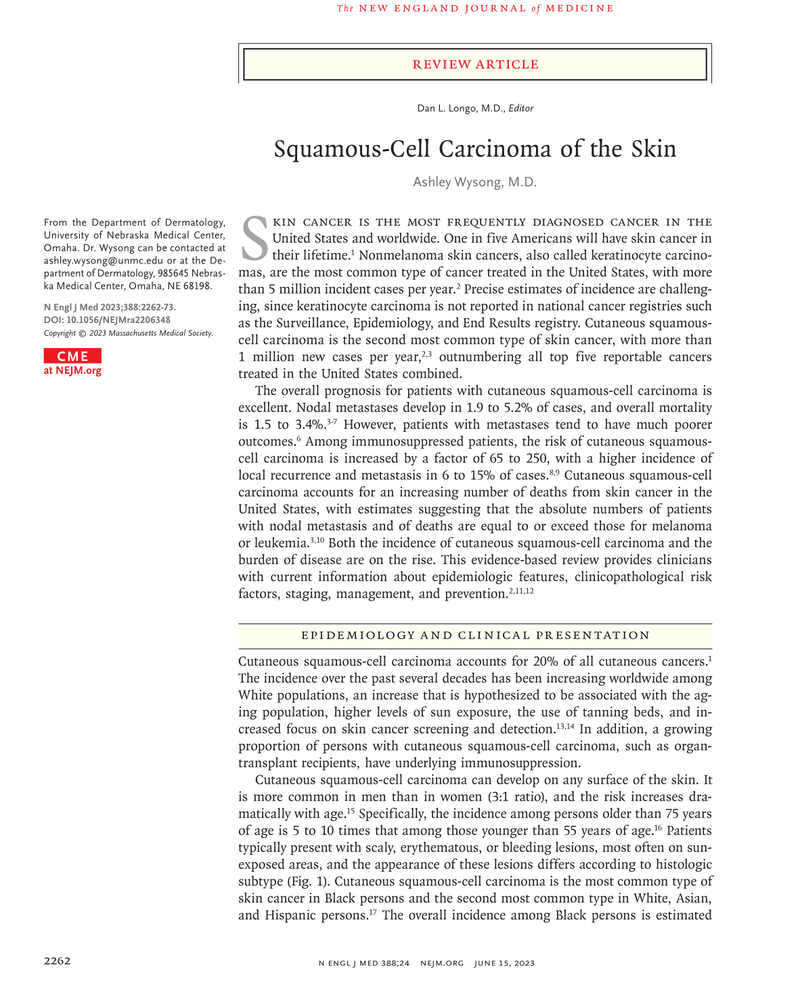
SQUAMOUS-CELL CARCINOMA OF THE SKIN
Same clinical topic · Dermatology
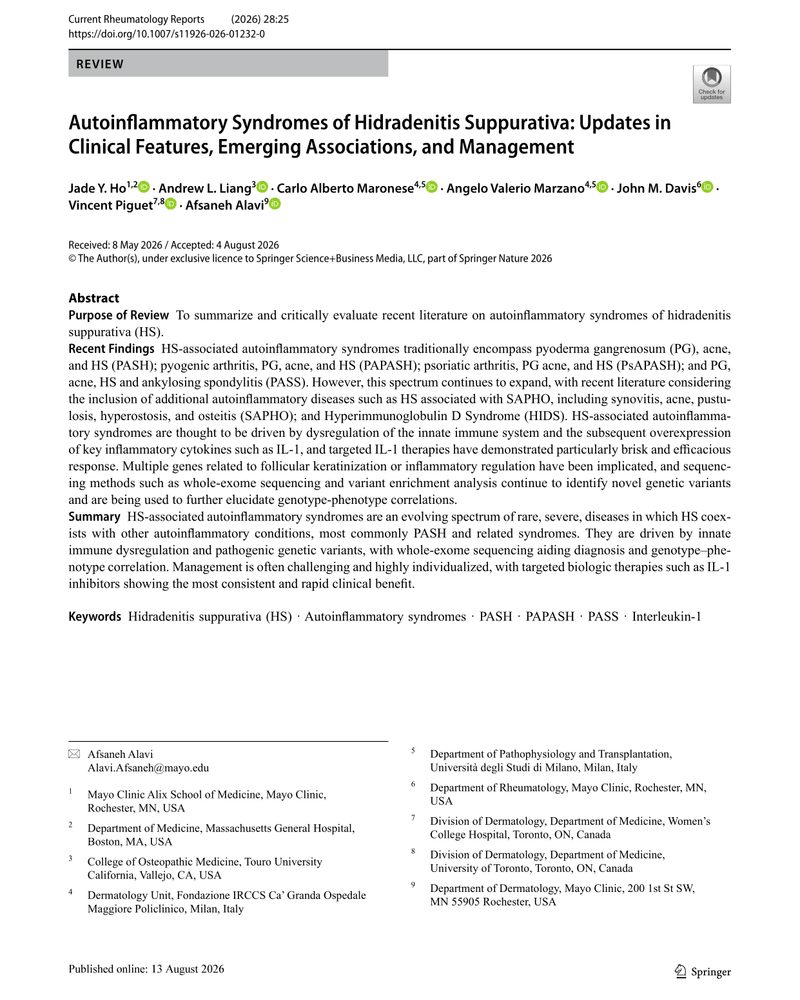
AUTOINFLAMMATORY SYNDROMES OF HIDRADENITIS SUPPURATIVA: UPDATES IN CLINICAL FEATURES, EMERGING ASSOCIATIONS, AND MANAGEMENT
Same clinical topic · Dermatology
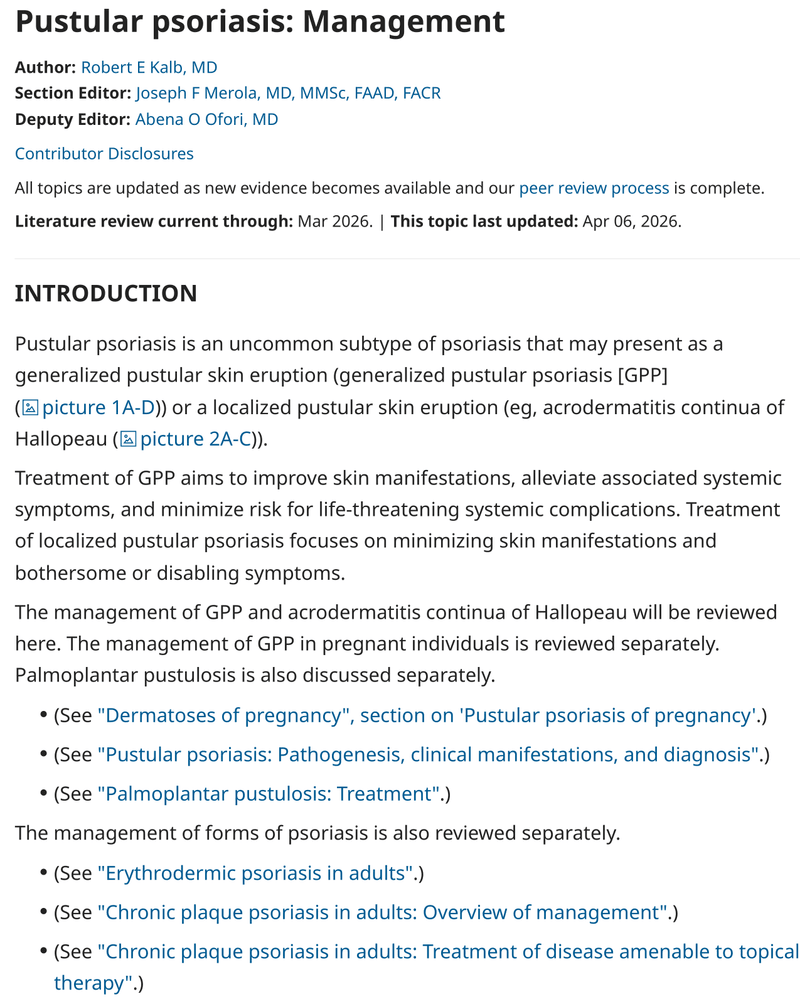
PUSTULAR PSORIASIS: MANAGEMENT
Same clinical topic · Dermatology
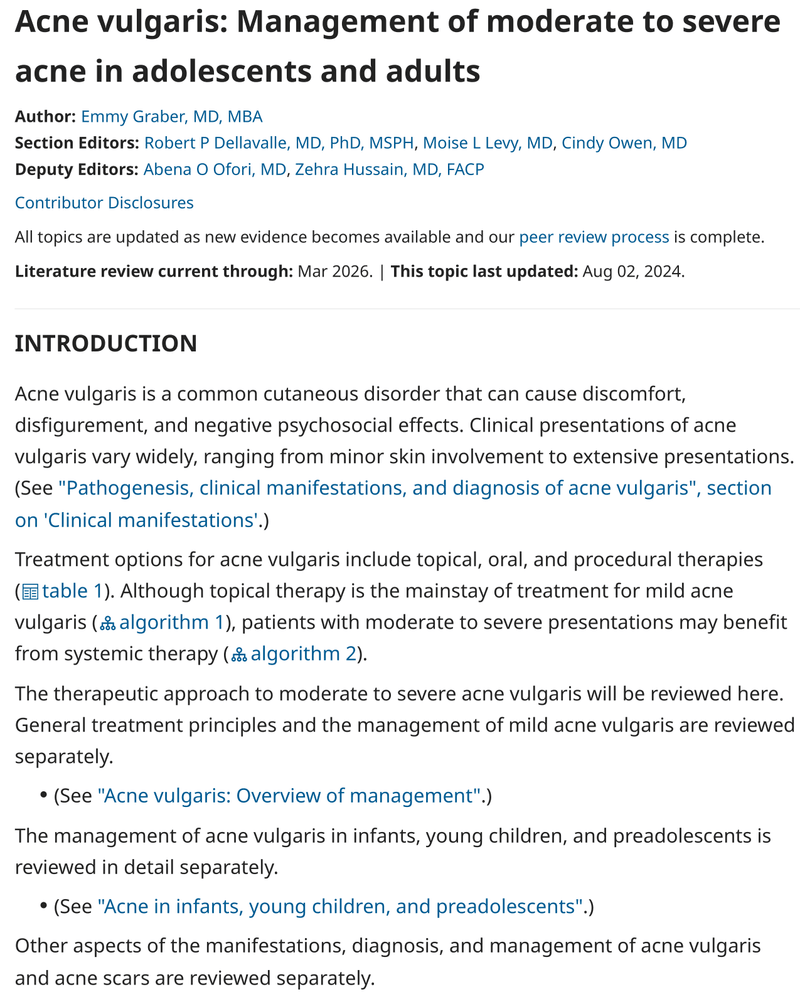
ACNE VULGARIS: MANAGEMENT OF MODERATE TO SEVERE ACNE IN ADOLESCENTS AND ADULTS
Same clinical topic · Dermatology
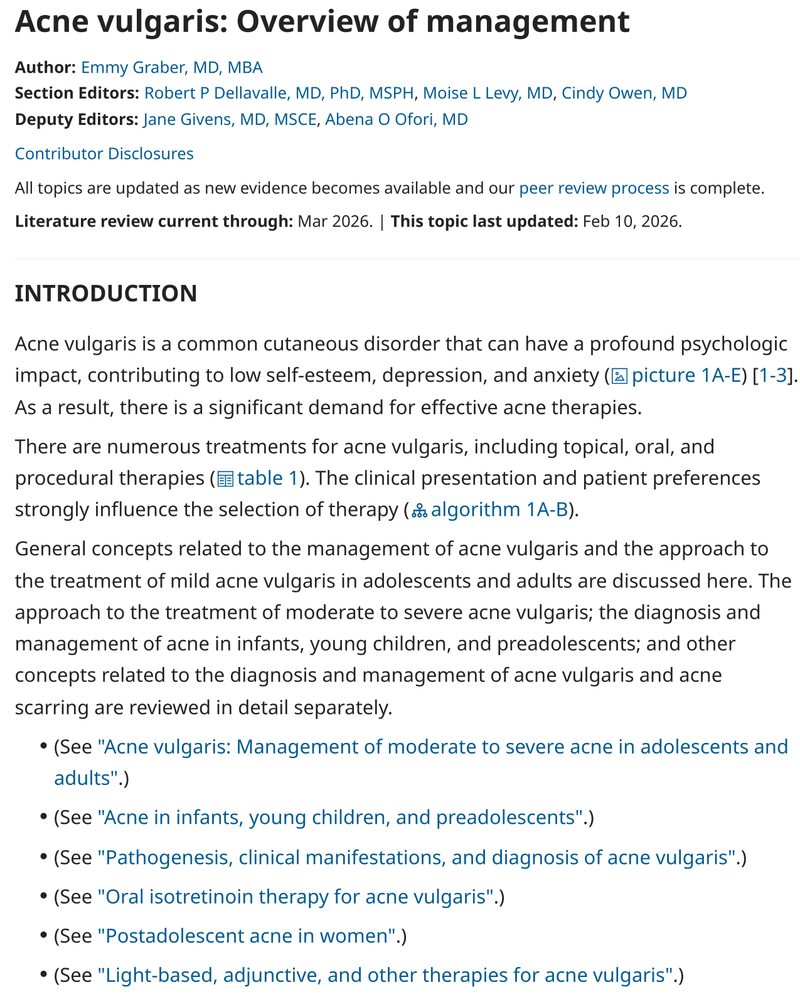
ACNE VULGARIS: OVERVIEW OF MANAGEMENT
Same clinical topic · Dermatology
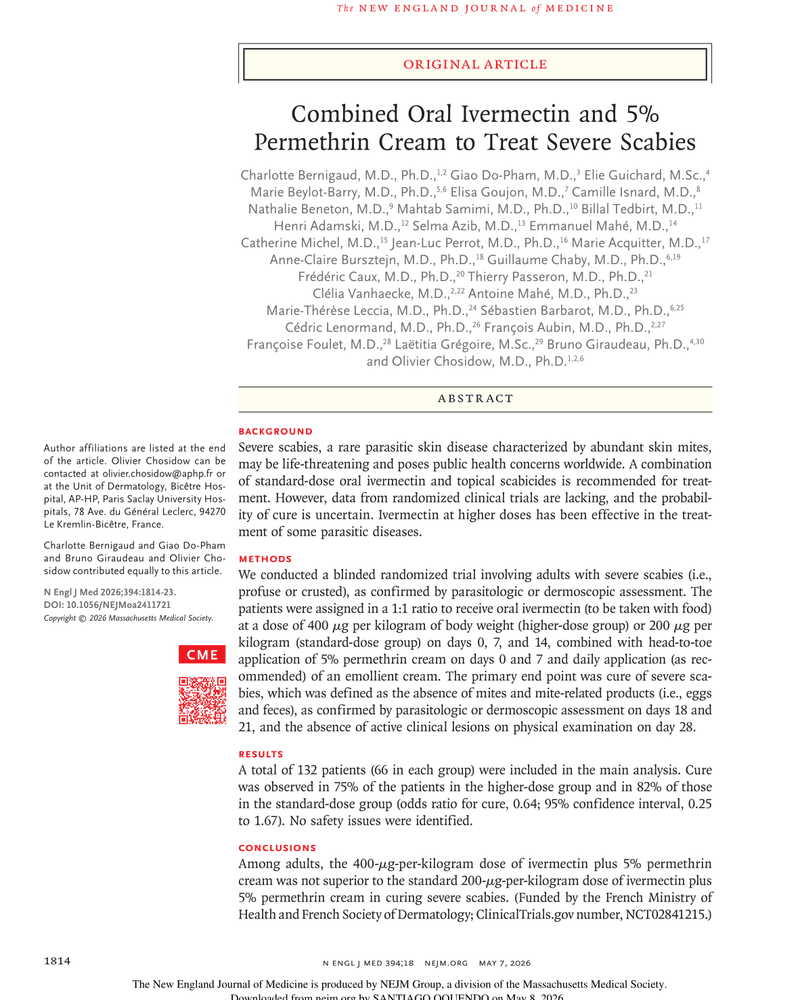
COMBINED ORAL IVERMECTIN AND 5% PERMETHRIN CREAM TO TREAT SEVERE SCABIES
Same clinical topic · Dermatology