Please wait while we open this resource.


K

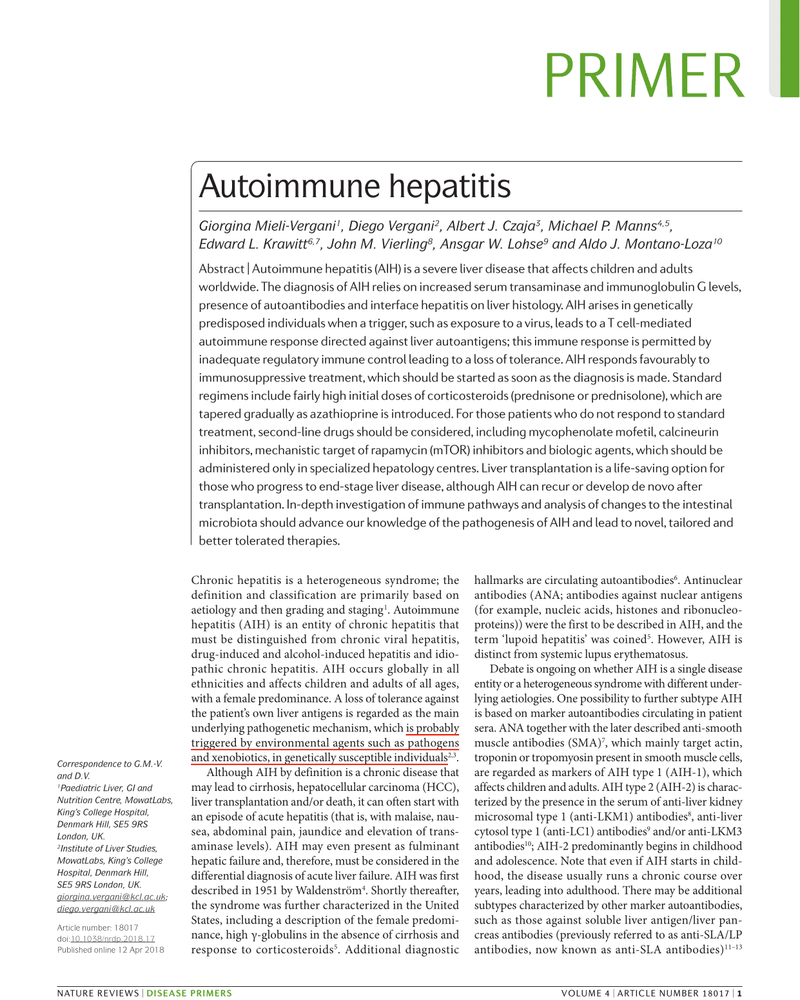
Clinical reviews
AUTOIMMUNE HEPATITIS
null
PDF201822 pages4.6 MB
The document provides a comprehensive overview of autoimmune hepatitis, detailing its pathophysiology, diagnostic criteria, and treatment options. It emphasizes the importance of early diagnosis and the initiation of immunosuppressive therapy to manage the disease effectively. The authors discuss various treatment regimens, including corticosteroids and second-line therapies, and highlight the potential for liver transplantation in advanced cases. The document also notes the need for further research into the immune mechanisms involved in AIH and the development of tailored therapies.
Sign in to open
Ask this resource
Answers use this document only.
Your first question is free.
More like this
Resources from the same specialty and type. Curated links will replace these when added.
Clinical Resources
Documents that extend or complement this resource.

Hepatitis E Virus, Second Edition (Springer, 2023)
Same clinical topic · Hepatology
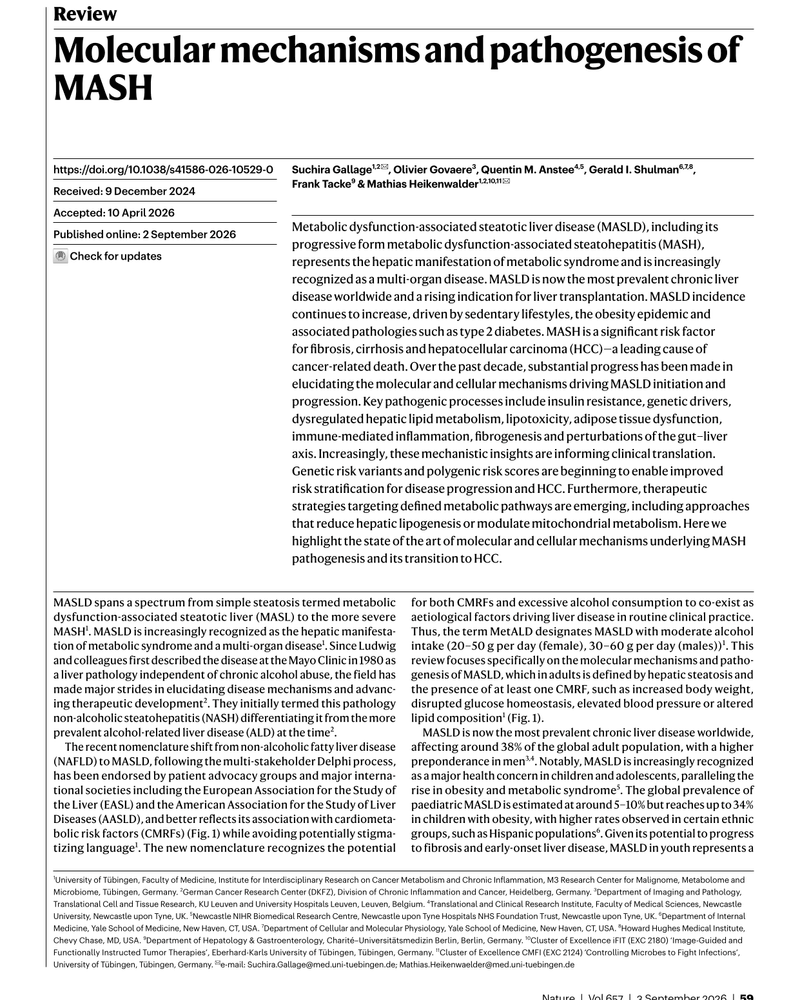
MOLECULAR MECHANISMS AND PATHOGENESIS OF MASH
Same clinical topic · Hepatology
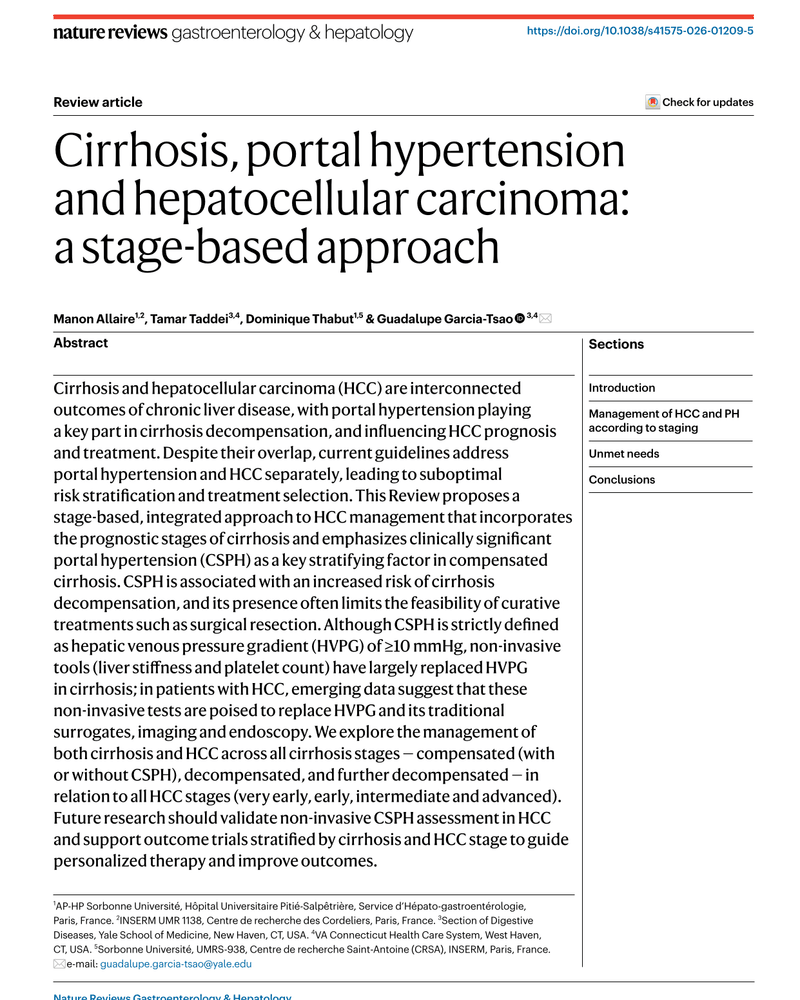
CIRRHOSIS, PORTAL HYPERTENSION AND HEPATOCELLULAR CARCINOMA: A STAGE-BASED APPROACH
Same clinical topic · Hepatology
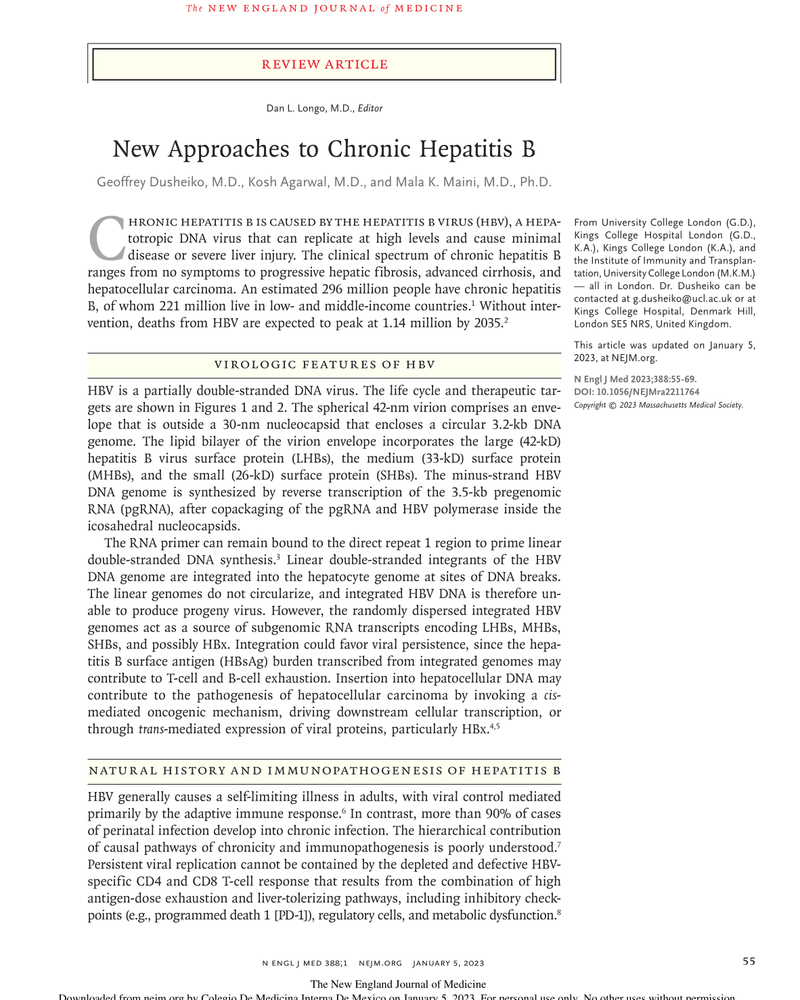
NEW APPROACHES TO CHRONIC HEPATITIS B
Same clinical topic · Hepatology
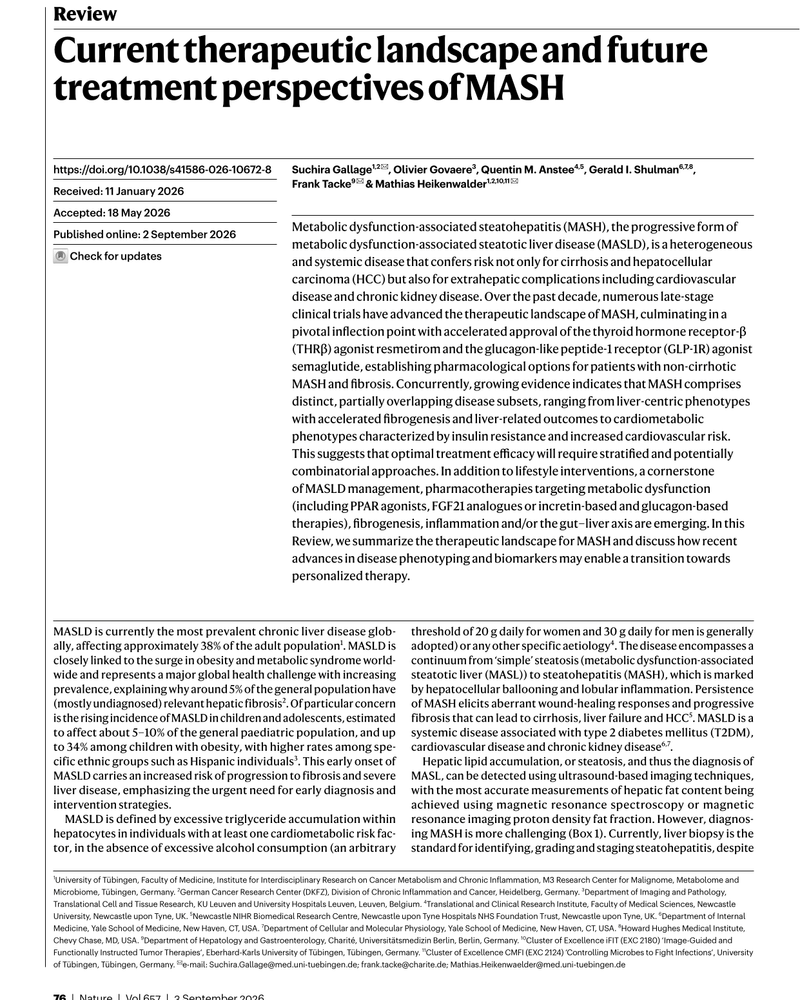
CURRENT THERAPEUTIC LANDSCAPE AND FUTURE TREATMENT PERSPECTIVES OF MASH
Same clinical topic · Hepatology
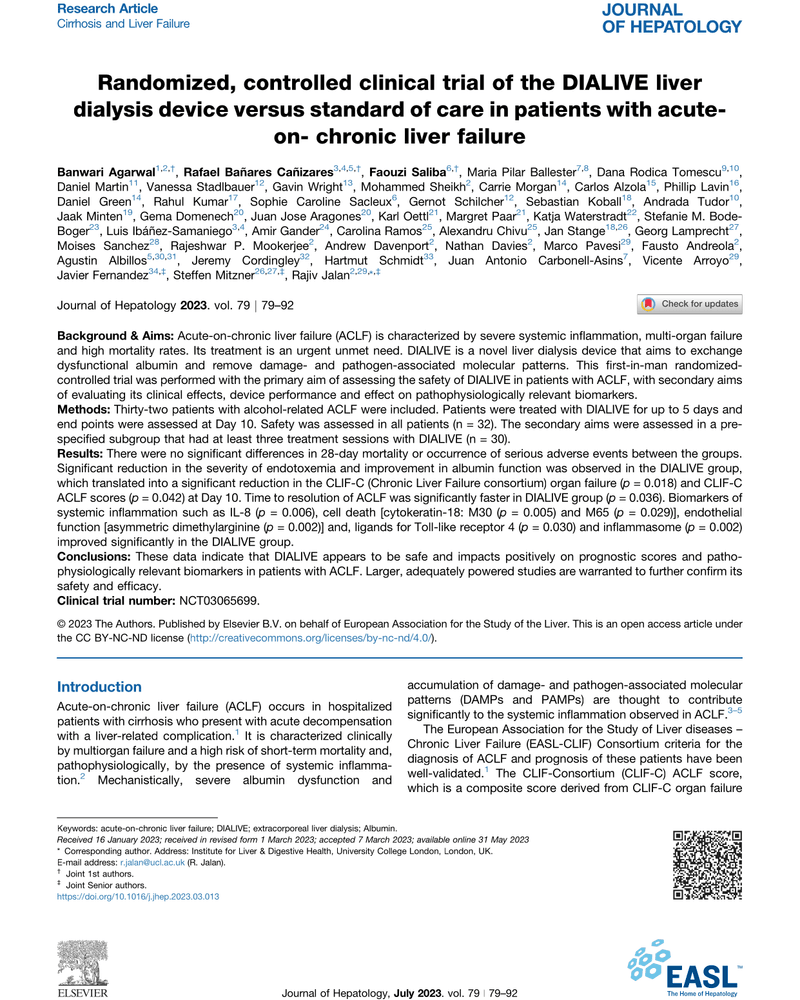
RANDOMIZED, CONTROLLED CLINICAL TRIAL OF THE DIALIVE LIVER DIALYSIS DEVICE VERSUS STANDARD OF CARE IN PATIENTS WITH ACUTE ON-CHRONIC LIVER FAILURE
Same clinical topic · Hepatology
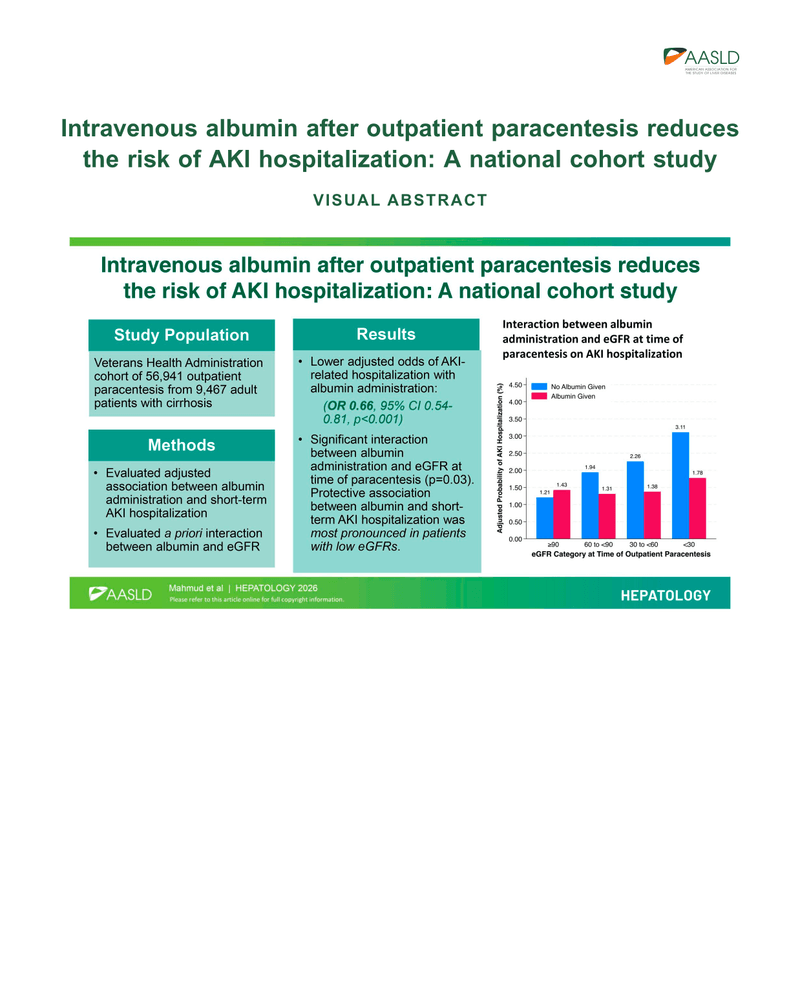
Intravenous albumin after outpatient paracentesis reduces the risk of AKI hospitalization: A national cohort study
Same clinical topic · Hepatology
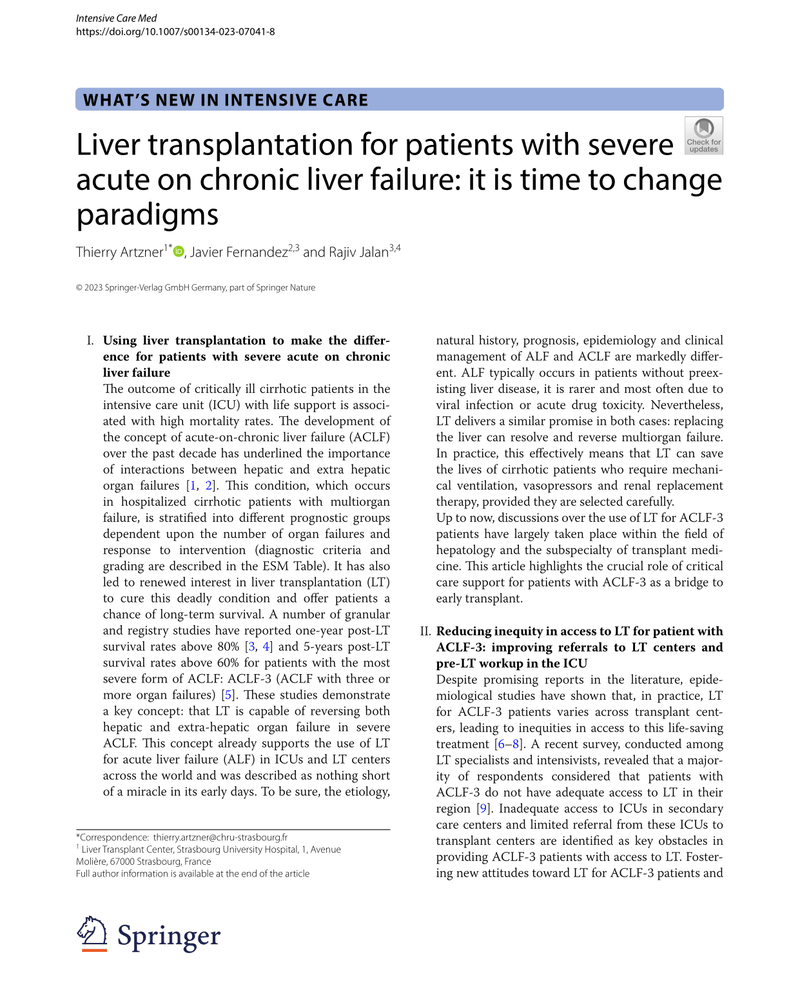
LIVER TRANSPLANTATION FOR PATIENTS WITH SEVERE ACUTE ON CHRONIC LIVER FAILURE: IT IS TIME TO CHANGE PARADIGMS
Same clinical topic · Hepatology
HEPATITIS B
Same clinical topic · Hepatology