Please wait while we open this resource.


K

Clinical reviews
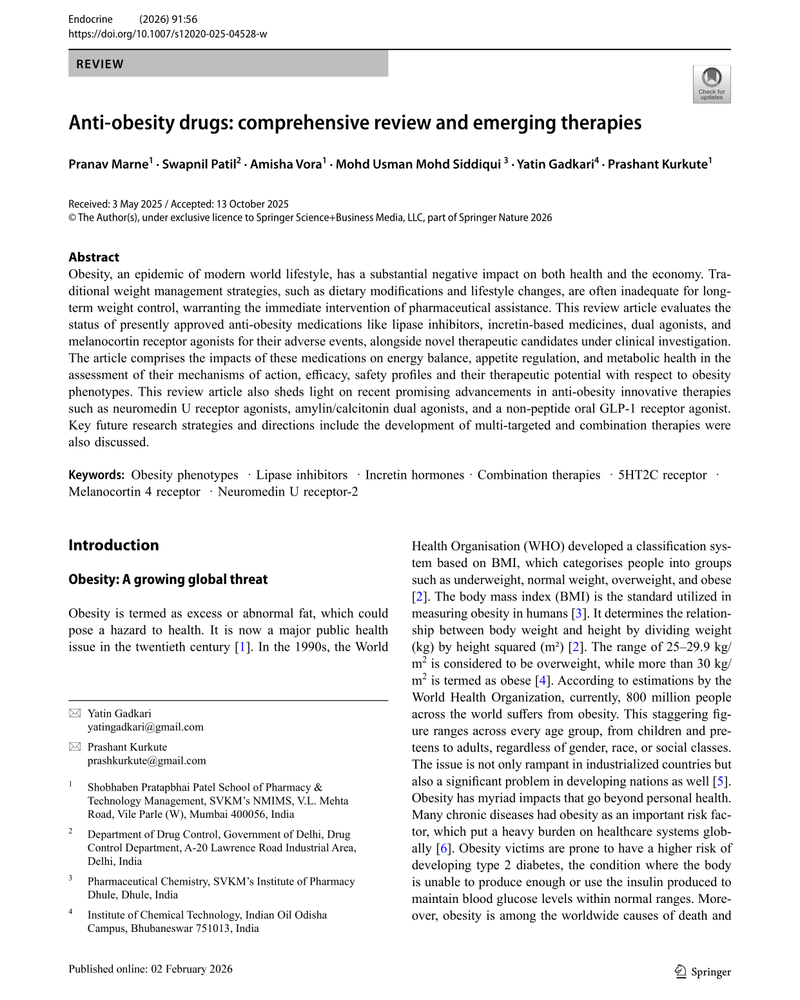
ANTI-OBESITY DRUGS: COMPREHENSIVE REVIEW AND EMERGING THERAPIES
Pranav Marne, Swapnil Patil, Amisha Vora, Mohd Usman Mohd Siddiqui, Yatin Gadkari, Prashant Kurkute
PDF202626 pages2.9 MB
Obesity is a significant epidemic that negatively impacts health and the economy. Traditional weight management strategies often fall short, necessitating pharmaceutical interventions. The article discusses various anti-obesity medications, including lipase inhibitors and incretin-based therapies, and highlights recent advancements in innovative treatments. Future research directions include the development of multi-targeted and combination therapies to enhance treatment efficacy.
Sign in to open
Ask this resource
Answers use this document only.
Your first question is free.
More like this
Resources from the same specialty and type. Curated links will replace these when added.
Clinical Resources
Documents that extend or complement this resource.
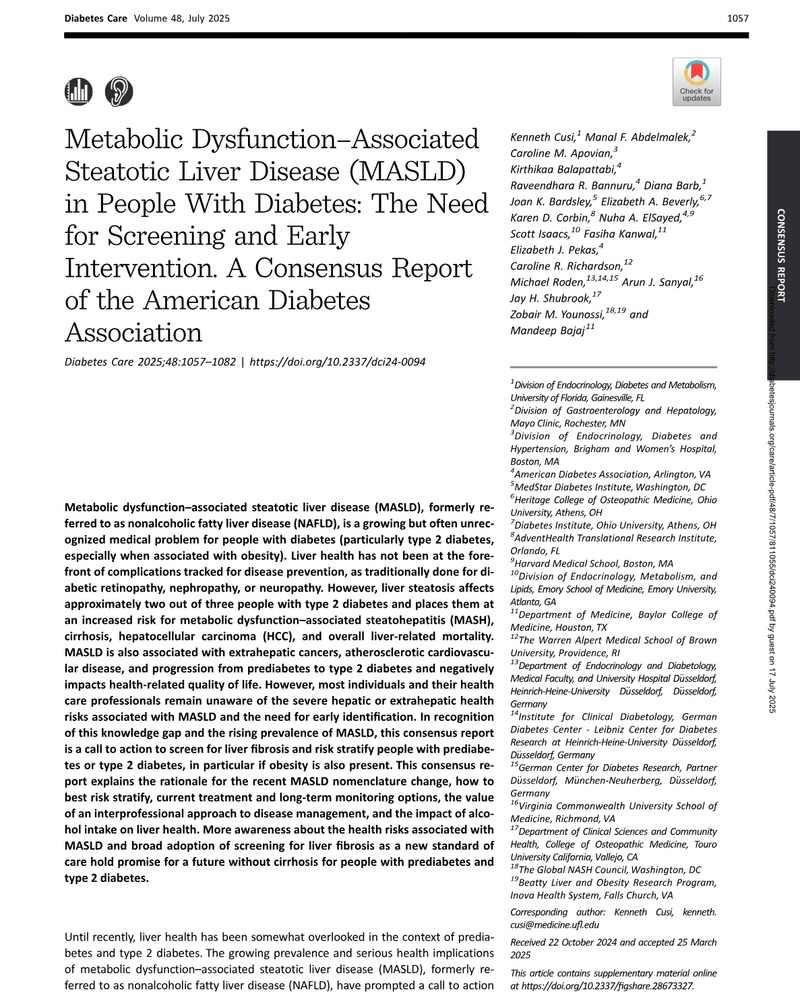
ADA Consensus Report: MASLD in People With Diabetes
Same clinical topic · Endocrinology
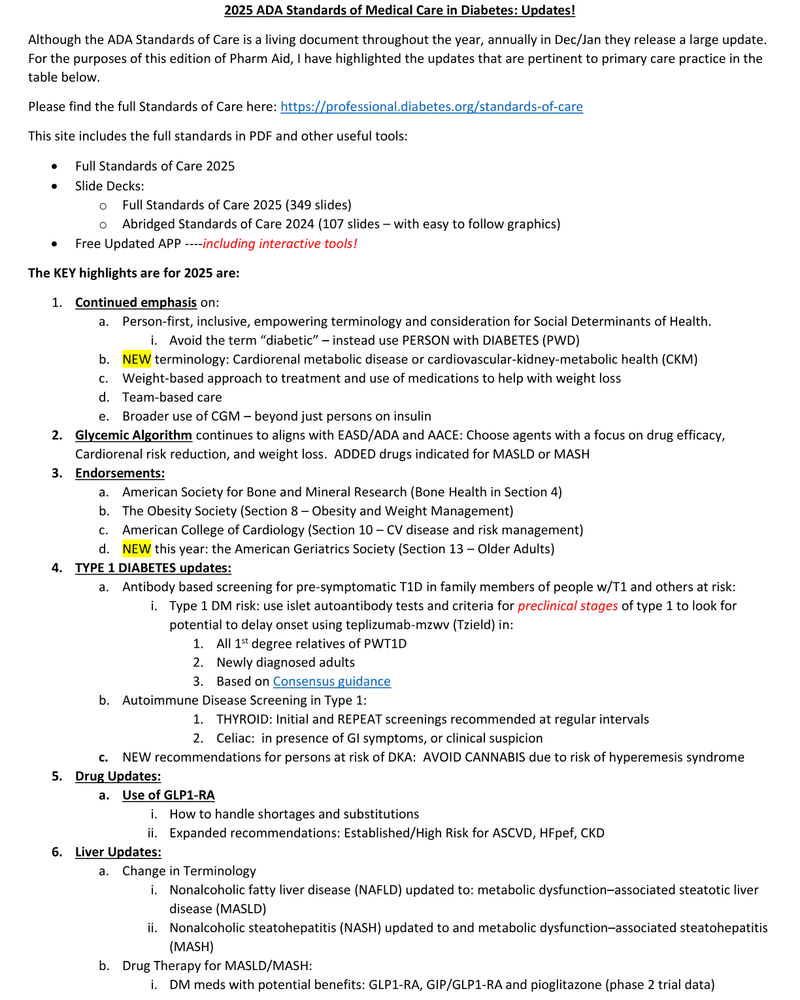
2025 ADA Diabetes Care Standards Updates
Same clinical topic · Endocrinology
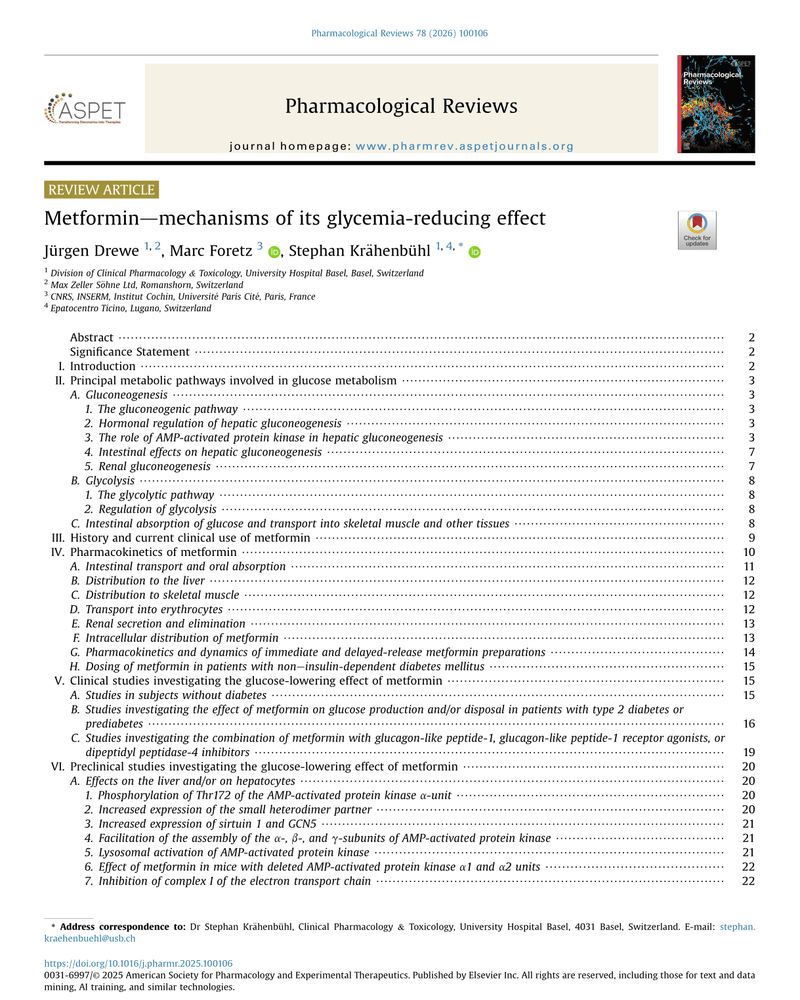
METFORMIN―MECHANISMS OF ITS GLYCEMIA-REDUCING EFFECT
Same clinical topic · Endocrinology
SYNDROME OF INAPPROPRIATE ANTIDIURESIS: FROM PATHOPHYSIOLOGY TO MANAGEMENT
Same clinical topic · Endocrinology
GLYCEMIC EMERGENCIES
Same clinical topic · Endocrinology
DIAGNOSIS AND MANAGEMENT OF CENTRAL DIABETES INSIPIDUS IN ADULTS
Same clinical topic · Endocrinology
DRUG DELIVERY SYSTEMS FOR THYROID DISEASE TREATMENT: A MINI REVIEW ON CURRENT THERAPIES AND ALTERNATIVE APPROACHES
Same clinical topic · Endocrinology

OTHER BENEFITS OF CONTROLLING CARBOHYDRATES
Same clinical topic · Endocrinology
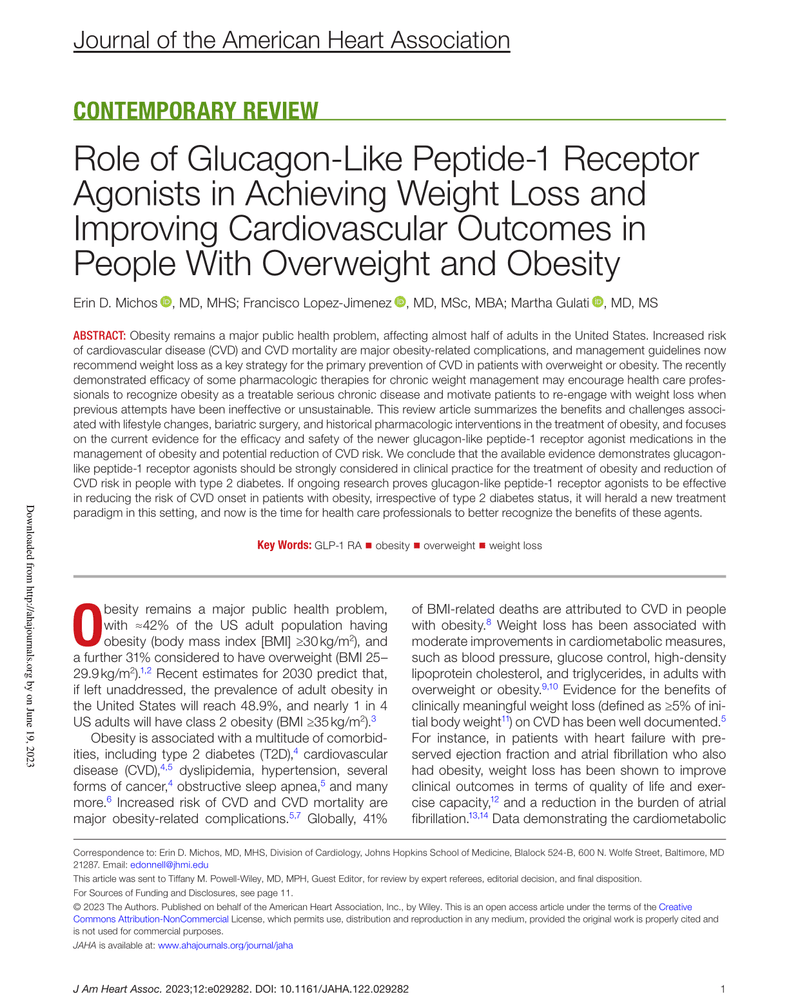
ROLE OF GLUCAGON-LIKE PEPTIDE-1 RECEPTOR AGONISTS IN ACHIEVING WEIGHT LOSS AND IMPROVING CARDIOVASCULAR OUTCOMES IN PEOPLE WITH OVERWEIGHT AND OBESITY
Same clinical topic · Endocrinology